
The Ocoee River had fallen below action stage. Copperhill households still had to work out which water they could drink.
That gap matters. A river reading describes the river. It cannot tell you whether your tap water is ready for coffee, your street is open or your home is safe to enter.
After flooding hit Polk County on November 5, Tennessee emergency teams completed 68 rescues, according to TEMA figures in WSMV’s reporting carried by WBKO. The Ocoee reached a record 18.05 feet before dropping below action stage by 11 a.m. Central that Thursday. Roads remained affected.
For families, recovery involves several separate decisions. Drinking water, access, damage records and assistance each need their own answer. Here is how to sort them without treating one encouraging update as an all-clear for everything.
Updated November 6, 2026. The water notices below were issued November 5. Check with the City of Copperhill before changing any water precautions.
Two Water Notices, Two Different Jobs
Copperhill’s November 5 notices asked all utility customers to conserve water. A separate boil-water advisory covered Belltown Road, downtown Copperhill and neighborhoods around City Hall, Staffordtown, and West Tennessee Avenue.
The distinction is useful: conservation limits demand; boiling addresses drinking-water safety. Being outside the named boil-water areas does not remove a customer from the conservation request.
Tennessee residents recently faced a different reason to cut back when Franklin and La Vergne urged water conservation during drought. In Copperhill, flooding broke a main and reduced pressure. Opposite weather problems can lead to the same household request. The amount of water in a river and the condition of the system delivering it are different questions.
Copperhill’s advisory was precautionary, with no contamination established. Affected customers were told to boil water for one minute and cool it, or use bottled water, for drinking, food preparation, teeth brushing and ice. Wait for the utility to lift the advisory; pressure returning alone is insufficient.
The CDC’s drinking-water guidance helps translate those instructions into everyday choices:
| At home | What to do |
|---|---|
| Filling a filtered pitcher | Boil the water even after filtering it. A home filter does not replace the precaution. |
| Getting ice or water from the refrigerator | Avoid dispensers connected to the water line. |
| Filling the dog’s or cat’s bowl | Use bottled water or boiled water that has cooled. |
| Bathing | Avoid swallowing water and supervise children. Consider sponge baths for babies and young children. |
| Catching up on laundry or dishes | Copperhill’s conservation notice asks customers to postpone laundry and dishwasher use. |
The practical priority is to keep safe drinking water available while postponing water-heavy chores. A dishwasher’s sanitizing setting does not resolve the separate request to conserve.
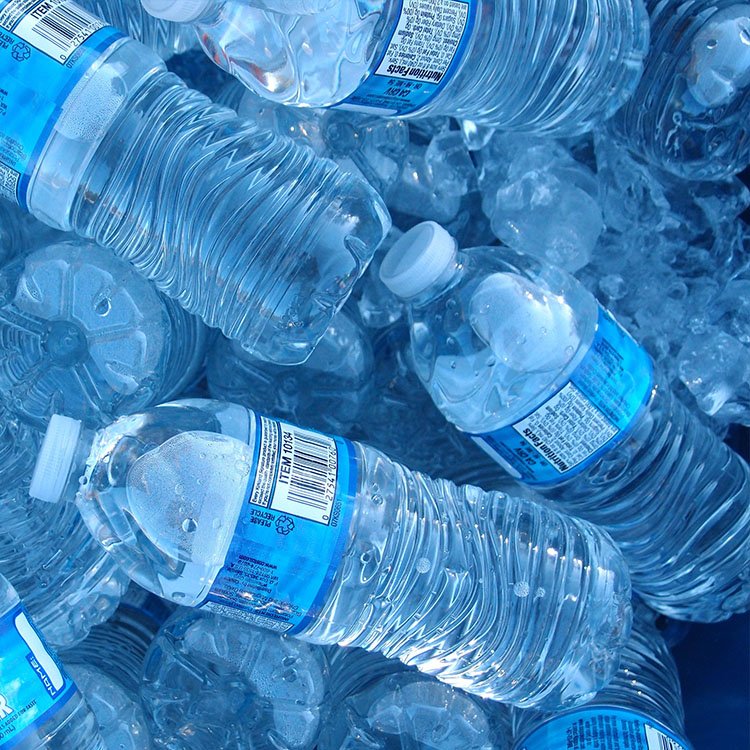
City Hall announced bottled drinking water and separate reservoir water for non-drinking uses. Do not drink or cook with the reservoir water. Bring containers and confirm access and availability at 423-496-5141.
Start the Insurance Call Before the Cleanup List
If you have flood insurance, reporting the loss is a task you can start while waiting for safe access. The National Flood Insurance Program’s claims guide puts contacting your insurer first, followed by documenting damage and beginning cleanup.
Ask your insurer what your policy covers, what records it needs and which deadlines apply. Record the claim number and the person you spoke with. If you rent, explain that when you call and ask about coverage for your belongings.
Once entry is safe and permitted, take room-wide photos, then details such as water lines, damaged belongings and appliance serial numbers. NFIP advises photographing hazardous contents before throwing them out.
The difficult part is doing two jobs at once: preserving evidence and clearing damage. Our recommendation is to organize both by room. Photograph a space, make its item list, then document details as belongings are moved. That gives each picture a place in the record and avoids a camera roll full of objects you later struggle to identify.
Copy this organizer into a phone note or notebook:
| Record | What to put there |
|---|---|
| Room and item | Kitchen: refrigerator; bedroom: two bedside tables |
| Photo reference | The filenames, or a dated folder named for the room |
| Identifying details | Brand, model and serial number where available |
| Purchase information | Approximate age, receipt or other available record |
| Follow-up | The question you need the insurer to answer |
Keep receipts and insurer correspondence with the same records, and follow the insurer’s required forms.
Before starting physical work, review the CDC’s disaster-cleanup guidance for protective equipment, floodwater precautions and mold prevention.
Do not enter around unresolved electrical or structural hazards to complete a checklist. Do not keep hazardous belongings indoors just to preserve evidence. Documentation should support recovery without becoming another obstacle to it.
Ask for the Help You Can Actually Use
A supply address is only useful if you can reach it, arrive while it is open and collect what your household needs.
United Way of the Ocoee Region’s free, confidential 211 service connects callers with resources such as food and housing. Dial 211, call 423-265-8000 if you do not have a 423 area code, or text your ZIP code to 898-211.
Before calling, write down the immediate problem and the obstacle. For example: you need drinking water, but cannot travel to a pickup site. That is a more useful starting point than asking generally what help exists.
Use these prompts in your own words:
- “What help is available for my address today?”
- “What hours and registration requirements should I confirm?”
- “Can someone collect supplies on my behalf?”
- “Who should I contact if I cannot reach the location?”
Not every service will be available, so confirm before you make a trip.
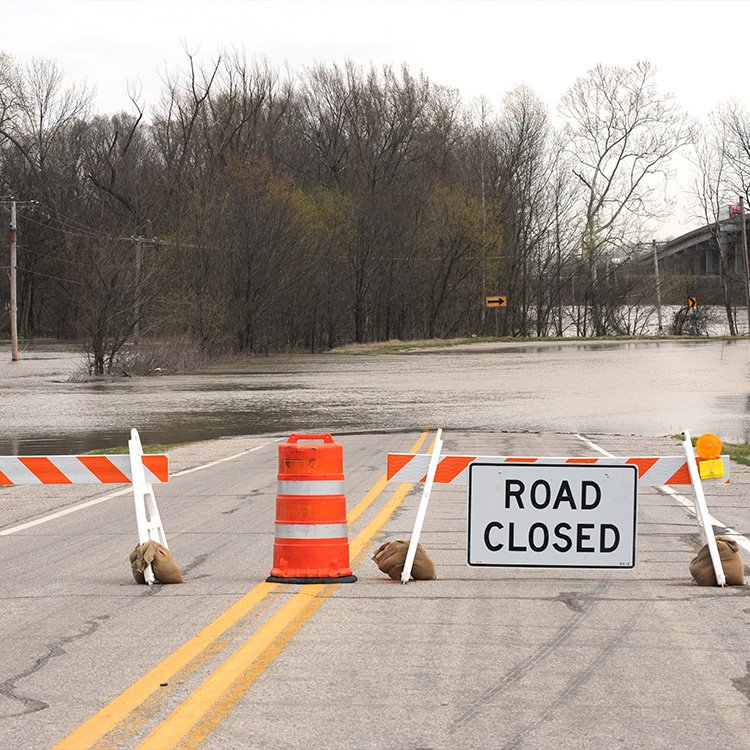
For highway conditions, check TDOT SmartWay or call 511. Confirm neighborhood access through local instructions. A highway route and permission to enter a particular street are separate matters. Call 911 for immediate danger.
Help From Nashville or Knoxville Without Adding Another Trip
If a relative is affected, offer one defined job: “With your permission, I can organize the photos you send me and keep a list of the calls that still need making.”
That offer gives them something they can accept immediately. It also leaves control with the household. Agree on the task before contacting providers, sharing records or making commitments on someone else’s behalf.
For a supply drive, work backward from the recipient. Confirm the organization, requested items, delivery window and receiving contact before collecting anything. For a financial gift, use the organization’s own donation page and check any flood-specific designation. The FTC’s guide to checking a charity before donating explains how to research the organization and how it uses gifts.
Our recommendation is to choose the help with a confirmed next step. A requested delivery has a destination. An agreed paperwork task has an owner. An open-ended collection still needs someone to work out both.
For someone you know in the flood area, the next useful message can be simple: “Which task would you like me to handle today?”