
Spend four days exploring Knoxville, Oak Ridge, Norris, and Big Ridge from one hotel base, with a planning budget of $739 for two.
This East Tennessee route pairs free museums and lakeside stops with two paid attractions. You’ll unpack once, explore Oak Ridge’s scientific history, see Appalachian artifacts, and finish with a picnic beside the lake.
The Route and Budget at a Glance
This itinerary is planned for two adults traveling April 20–23, 2027, sharing one room and using their own vehicle. It begins and ends in Knoxville, with all three nights based near Clinton’s I-75 exit 122. The entire route uses Eastern Time.
| Day | Route | Overnight |
|---|---|---|
| Day 1 | Knoxville, then drive to Clinton | Clinton |
| Day 2 | Clinton → Oak Ridge → Clinton | Clinton |
| Day 3 | Clinton → Museum of Appalachia → Norris → Clinton | Clinton |
| Day 4 | Clinton → Big Ridge State Park → Knoxville | None |
Driving estimates use Super 8 by Wyndham Clinton TN, 720 Park Place, near exit 122, as the hotel reference. The route starts at McClung Museum’s visitor parking and ends back there on Day 4. Allow approximately 115 miles for the main route, plus 30 miles for groceries, meals, and local detours.
Prices were checked in November 2026, so double-check them before your trip.
Travel between home and Knoxville is extra. Airfare, a rental vehicle, alcohol, personal purchases, and vehicle ownership costs are also excluded.
If this is your first Tennessee visit, our guide to what locals want first-time visitors to know offers more context on local customs and getting around.
Day 1: Start With a Free Museum and a Knoxville Walk
Begin around 10 a.m. at McClung Museum of Natural History & Culture, at 1327 Circle Park Drive on the University of Tennessee campus.
Admission is free. Allow 90 minutes to two hours, including time for Homelands: Connecting to Mounds through Native Art. Featuring contemporary works by 17 Native artists, the exhibition explores Indigenous relationships to mounds and is scheduled through summer 2030, covering this April 2027 trip.
Check the museum’s visitor information before arriving. Ten complimentary visitor parking spaces are available first come, first served; give your license plate number to guest services for validation. Additional campus parking is listed at $2 an hour.
The museum reports accessible facilities, limited seating, and a loan wheelchair available first come, first served. Ask about seating if standing for long periods is difficult.
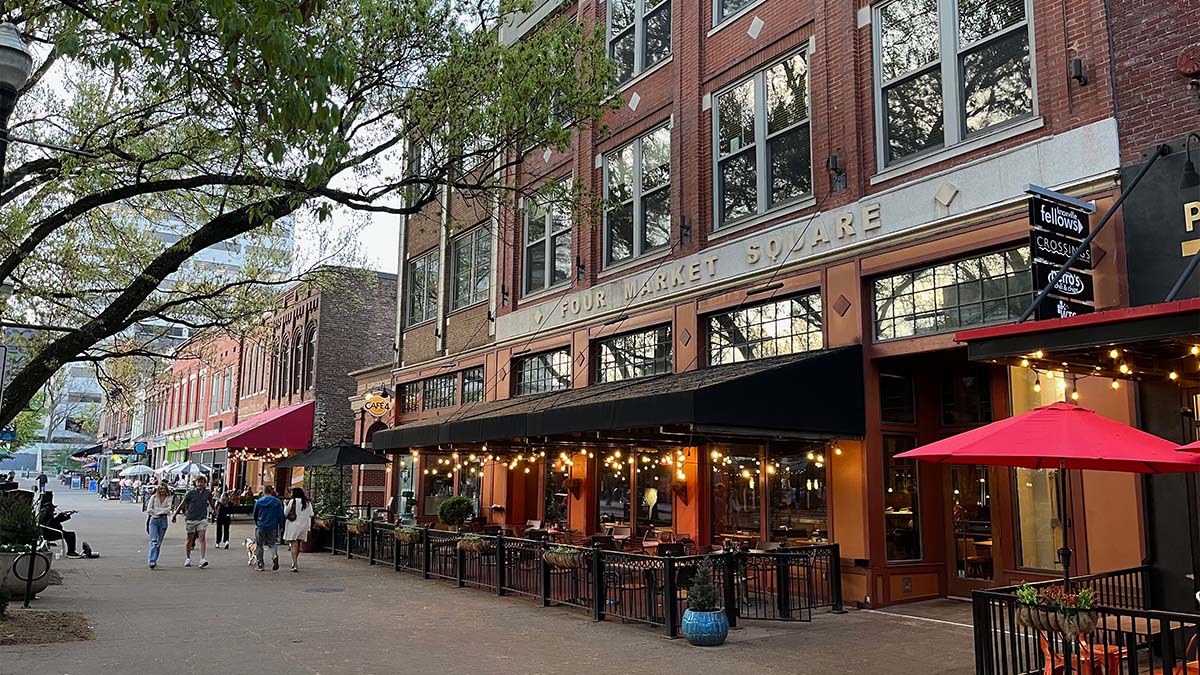
Afterward, move your car downtown for lunch and a short walking circuit: Market Square, Krutch Park, and Gay Street around the Tennessee Theatre, then back toward Market Square.
Allow an hour to 90 minutes for walking and stops. Depending on where you park, the circuit covers approximately three-quarters of a mile to a mile. Shorten it whenever you’ve had enough walking.
Market Square Garage publishes a weekday rate of $1 an hour, capped at $7. McClung’s validated spaces are for your museum visit, so use separate parking downtown.
By midafternoon, head toward Clinton, buy groceries, and check in. Pick up picnic ingredients, snacks, and breakfast supplements.
Bring an existing cooler and confirm whether your room has a refrigerator. The budget does not assume a kitchenette.
If rain interrupts the afternoon, spend longer inside McClung and shorten the downtown walk.
Driving allowance: Approximately 25 miles and 35–50 minutes, from McClung’s visitor parking to Market Square Garage, then the hotel.
Estimated spending for two: $197, including the first hotel night.
Day 2: Follow Oak Ridge’s Science and History
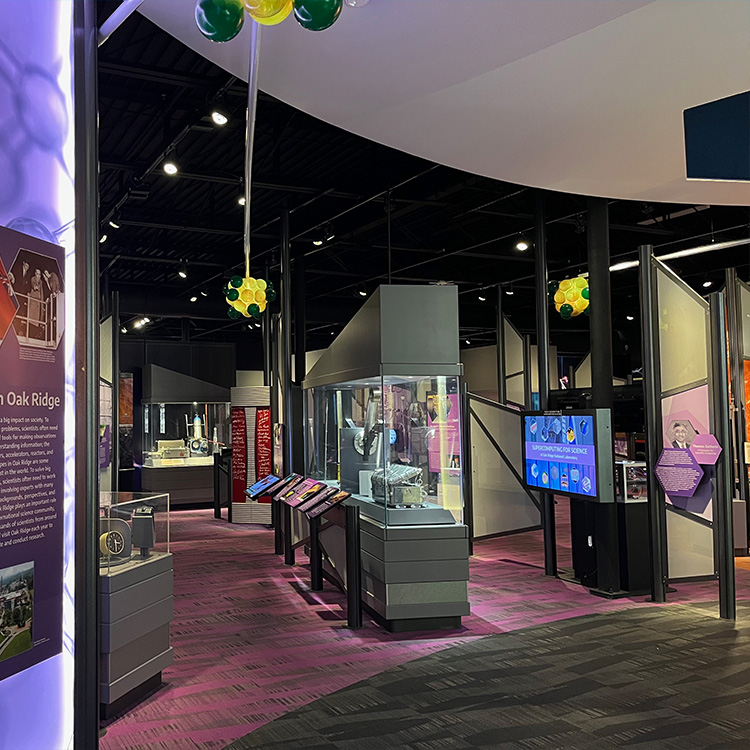
After breakfast, drive to the American Museum of Science and Energy, at 115 E. Main Street in Oak Ridge. Use that address when navigating; older references may point to its former location.
Arrive around 9:30 a.m. and allow two to two-and-a-half hours. Published adult admission is $10 each.
The exhibits connect Oak Ridge’s Manhattan Project history with later scientific work. Interactive displays cover subjects such as supercomputing and energy generation, taking the visit beyond wartime history.
Have a picnic lunch before continuing to the Manhattan Project National Historical Park visitor center, inside the Children’s Museum of Oak Ridge at 461 W. Outer Drive.
Allow 45 minutes to an hour for the short Manhattan Project film, orientation materials, and available ranger information. The NPS space is free; Children’s Museum admission is not required simply to visit it.
The visitor center identifies wheelchair access, accessible restrooms, a captioned film, and a bottle-filling station. This stop does not include access to secure Department of Energy properties.
Contact AMSE before traveling if detailed accessibility or parking arrangements will determine whether your visit is workable.
Both main experiences are indoors, making this the easiest day to keep intact during bad weather.
K-25 History Center is an optional addition requiring more driving and another one to three hours. Replace the NPS stop or allow a longer day, and check admission options before adding it. Its cost is outside the core budget.
Otherwise, return to Clinton and leave the evening open.
Driving allowance: Approximately 35 miles and 65–80 minutes, from the hotel to AMSE, the NPS visitor center’s parking at the Children’s Museum, and back.
Estimated spending for two: $188, including the second hotel night.
Day 3: Explore Appalachian History, Then Head to Norris Dam
Arrive around 9 a.m. at the Museum of Appalachia, at 2819 Andersonville Highway in Clinton. Allow two-and-a-half to three hours.
Prioritize the Hall of Fame, Display Barn, and a manageable portion of the village. In the Hall of Fame, the musical-instrument collection ranges from Roy Acuff’s fiddle to a banjo made from a hubcap.
Published admission is $20 per adult ages 18–64, with higher prices possible during special events. Expect outdoor paths, thresholds, and steps as well as indoor displays. If mobility is a concern, ask the museum to recommend a suitable circuit and confirm restroom access before buying tickets.
Plan lunch at the museum restaurant around noon. Set aside $30 for two, including applicable tax and tip, from the day’s $60 food allowance.
Check current prices before ordering, and keep a grocery lunch available if the restaurant would push you over budget.
After lunch, continue to Norris Dam’s visitor center and overlook, at 1810 Norris Highway.
Under the published seasonal schedule, the center opens in April and operates 10 a.m.–4 p.m. on Thursdays, excluding federal holidays. Recheck the schedule before departure.
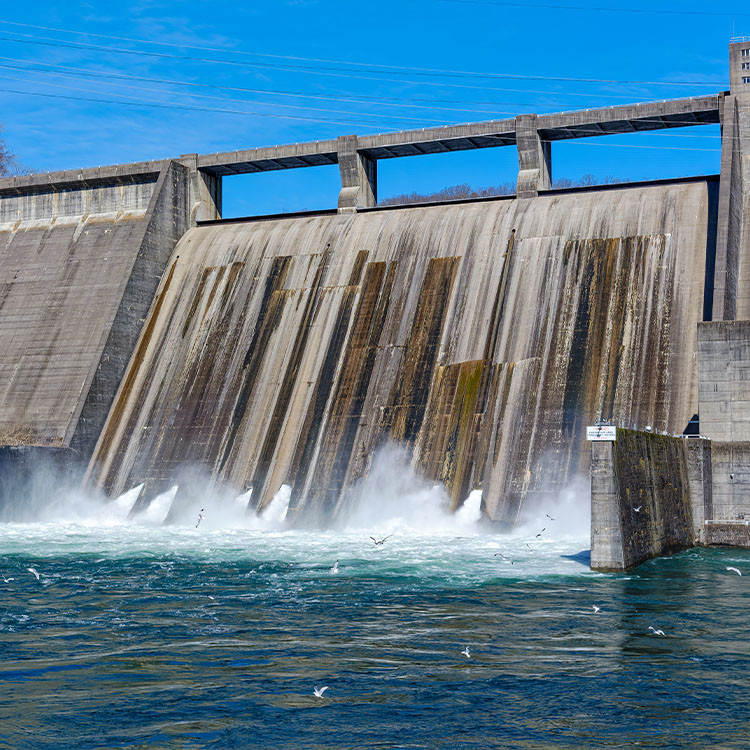
Allow 45 minutes to an hour. Norris was the first dam TVA built, with construction beginning in 1933 and finishing in 1936. Inside, maps, videos, and displays explain the project; outside, the overlook takes in the powerhouse and reservoir. Admission is free, and an interior powerhouse tour is not part of this plan.
For another short walk, consider the 0.4-mile paved Edge Path in the Songbird area. If the museum has been enough walking, stay with the overlook. Confirm current path conditions if wheelchair access is essential.
Observe posted dam restrictions and stay out of the tailwater. Releases can change without notice, and water can rise rapidly.
In sustained rain, substitute the free Knoxville Museum of Art for the Museum of Appalachia and outdoor stops. This removes the $44 museum allowance and makes a roughly 40-mile hotel-to-museum round trip, taking about 60–75 minutes of driving. Adjust the fuel allowance accordingly.
Driving allowance: Approximately 15 miles and 25–35 minutes, from the hotel to the Museum of Appalachia, Norris Dam’s visitor-center parking, and back. The optional Songbird stop adds driving.
Estimated spending for two: $217, including the final hotel night.
Day 4: Finish With a Lakeside Walk and Picnic
Pack your picnic before checking out, then head to Big Ridge State Park, at 1015 Big Ridge Park Road in Maynardville.
Start at the park office and follow the Lake Trail to Big Ridge Dam, approximately half a mile each way, returning along the same trail. Allow 60–90 minutes, plus picnic time. This is an approximately one-mile out-and-back, not a loop around the lake.
The dam was built by the Civilian Conservation Corps in the 1930s. The Lake Trail has a natural surface, so expect roots and elevation changes despite the short distance. Wear suitable shoes and turn around when needed.
State-park admission is free. Before departure, check park alerts, parking arrangements, restroom availability, and any effects from renovation work. The visit does not depend on April swimming, boat rentals, or an operating concession.
If rain leaves the trail muddy, or roots and slopes are unsuitable for your group, visit Knoxville Museum of Art instead.
At 1050 World’s Fair Park, it offers free admission, designated free parking options, wheelchair access, and loan wheelchairs. Its regular Friday hours are 10 a.m.–5 p.m., subject to exceptions. Allow 90 minutes to two hours.
Its ongoing Higher Ground exhibition follows East Tennessee art from roughly the 1860s to the 1980s.
This substitution keeps admission free and makes a roughly 25-mile drive from the hotel to the art museum’s parking and back to McClung, taking about 40–55 minutes. If you already visited the art museum on Day 3, use the morning for a shorter Knoxville stop or an earlier departure.
Return to your Knoxville starting point by late afternoon, allowing time for an early dinner or food for the journey home. There is no fourth hotel night in the budget.
Have a long drive home? Shorten the park visit or leave earlier. Homeward mileage is outside this estimate.
For a future trip with more outdoor time, our guide to Tennessee parks locals recommend compares walks, overlooks, and other ways to explore.
Driving allowance: Approximately 40 miles and 70–85 minutes, from the hotel to Big Ridge’s park-office parking, then back to McClung in Knoxville.
Estimated spending for two: $62.
What the Four Days Will Cost
This is a planning estimate for three nights of basic lodging, included hotel breakfasts, grocery lunches on most days, modest dinners, and two paid museum visits.
The $330 lodging allowance assumes an average of $110 per night, including taxes and mandatory fees. It works only if your complete three-night hotel total stays within that amount.
| Expense | Estimated cost for two |
|---|---|
| Three hotel nights, including taxes and mandatory fees | $330 |
| Food for four days | $220 |
| Fuel | $21 |
| American Museum of Science and Energy, with checkout allowance | $22 |
| Museum of Appalachia, with checkout allowance | $44 |
| Parking allowance | $15 |
| Ice and basic picnic supplies | $12 |
| Planned spending | $664 |
| Separate contingency | $75 |
| Total planning budget | $739 |
| Per person sharing | $369.50 |
The daily estimates—$197, $188, $217, and $62—total $664.
The $75 contingency is a separate cushion for small price increases or unexpected expenses. It is added once, bringing the total to $739. Museum estimates include a combined $6 allowance for possible checkout taxes or fees.
Fuel assumes 145 miles, 25 miles per gallon, and an assumed price of $3.53 per gallon, rounded up to $21. Recalculate using your vehicle’s fuel economy and the price before departure.
The $220 food allowance covers both travelers for four days: three included hotel breakfasts with supplements, Day 1 breakfast, four lunches, four dinners, and snacks. Restaurant spending targets include applicable tax and tips.
Properties near exit 122 include Super 8 by Wyndham Clinton TN, which advertises a free light breakfast and parking, and Hampton Inn Knoxville/Clinton I-75, which advertises free hot breakfast and parking.
April 2027 rates aren’t posted yet, so compare full checkout totals before you book.
If your room costs $390 instead, add $60 to the estimate: the trip becomes $799 for two, including the same contingency.