
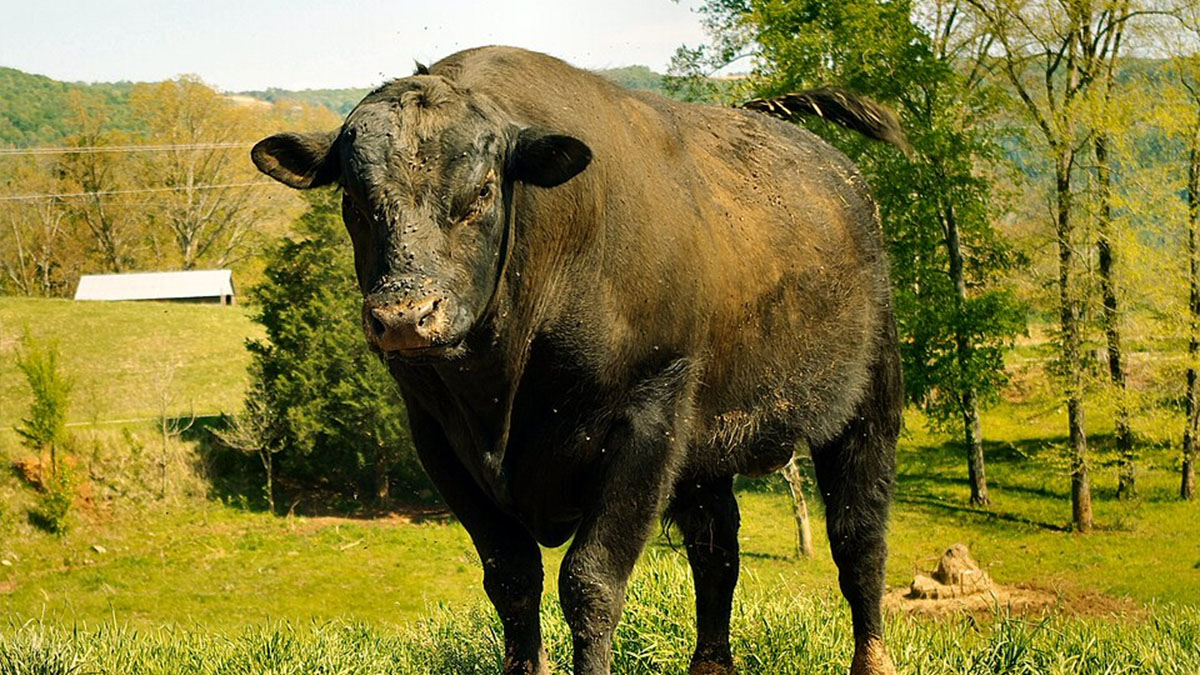

The hamburger on a Maury County lunch tray may now come from a farm just down the road.
Maury County Schools announced Monday, October 26, that it’s buying beef from 1822 Farms, a family-owned Black Angus operation in Williamsport. By Tuesday, the first delivery had arrived, according to WSMV.
Maury isn’t the first Tennessee district to do this. At least 17 public school systems listed beef among their biggest local food purchases a few years ago. And one district that lost its funding is now buying local meat only for special occasions.
So the real question isn’t whether local beef can get onto a school tray. It’s whether it stays there.
What Maury County Announced
The district described the deal as part of its commitment to supporting local farmers and businesses and building ties between schools and the community, WSMV reported.
What we know:
- The supplier is 1822 Farms in Williamsport.
- The partnership was announced October 26, 2026.
- The first delivery arrived October 27.
What hasn’t been released:
- Which schools and meals will use the beef
- How much beef the district is buying, and how often
- What it costs compared with the district’s previous supplier
- Whether it’s paid for from the regular food budget or grant money
The district may have been working toward this for months. A July 21, 2026, school board work session agenda listed “School Nutrition: Farm to Table” as an informational, non-voting item. The agenda didn’t name a farm or a price, so it’s not clear whether that item led to this deal.
The Farm Behind the Beef
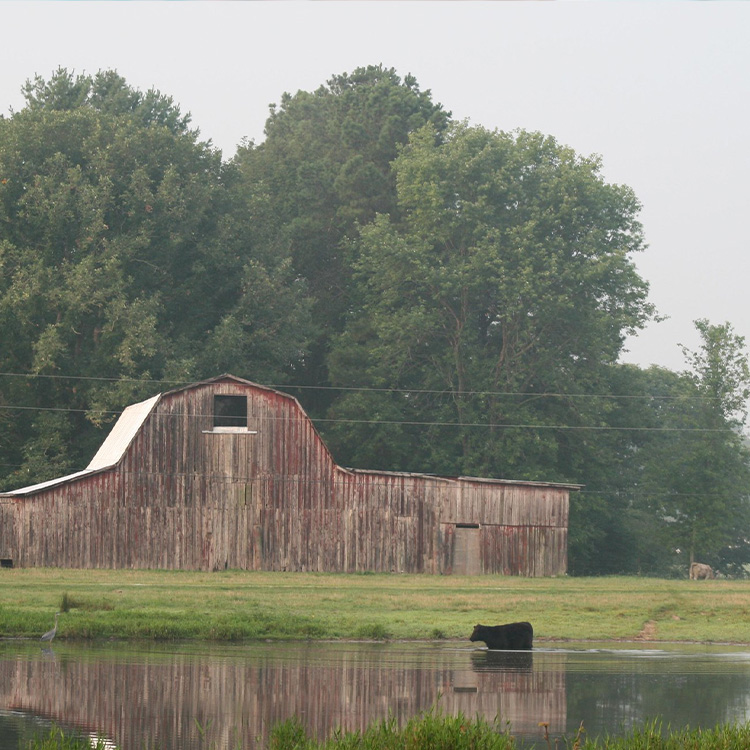
Byrd and Anne Cain bought the Williamsport property in 2005, according to the farm. Their son, Trevor, began building the cattle herd in 2008. The family describes 1822 Farms as a 600-acre, multigenerational operation that raises cattle from birth through harvest.
The farm calls its approach grass-fed and grain-finished: cattle rotate onto fresh grass until 30 days before processing. That matters when comparing suppliers, since “grass-fed” alone would leave out the grain.
Maury Is Joining a Growing List
Local food in Tennessee school cafeterias is more common than most parents realize.
According to the USDA’s most recent Farm to School Census, covering the 2022–23 school year, about two-thirds of Tennessee school food programs served local food. Together they spent about $37 million on it, though most of that, about $23 million, was local milk.
Beef is a smaller but real part of the picture. When we filtered USDA’s public data for Tennessee programs that listed beef among their five biggest local food purchases, 17 public school systems turned up, including Marshall, Macon, Overton, Robertson, Grundy, Marion and Stewart counties. That’s a minimum count, not a complete list of every district buying local beef.
A few examples are well documented:
- Franklin Special School District has served local grass-fed hamburgers every Monday at all of its schools since January 2024, and was still serving them this August.
- DeKalb County Schools buys beef from C & S Farms, according to the Tennessee Department of Agriculture.
- Obion County Schools began serving processed beef from Giffin Farms in November 2022.
So Maury is one of several Middle Tennessee systems buying local beef, not a pioneer. That’s not a knock. It means there’s a track record to learn from.
What Happens When the Money Runs Out
The clearest warning comes from Tennessee districts that relied on federal money that’s no longer there.
In 2023, the USDA signed a more than $4.1 million Local Food for Schools agreement with Tennessee, sending money to school food programs to buy from local farms. Franklin’s weekly hamburgers were launched with that funding.
That program was eliminated in 2025, and some districts felt it right away. In Milan, School Nutrition Director Vickie Dunaway told the Tennessee Lookout in September that losing the grant left her able to buy local beef and sausage only for special occasions, even after investing in equipment.
So where does Maury’s money come from? We couldn’t find out:
- Maury County Schools doesn’t appear on the USDA Farm to School grant award lists for fiscal 2023, 2024 or 2026.
- The county’s audited grant spending for fiscal 2024 and 2025 doesn’t list Local Food for Schools or a farm-to-school grant.
- No contract amount, purchase order, or price per pound for 1822 Farms appears in the board records we reviewed.
That’s a hint Maury’s purchases may not depend on an expired federal grant, but it doesn’t show where the money is coming from now.
Maury Is Cattle Country, and Shrinking
Maury County has plenty of cattle to draw from, though fewer than it used to.
| Maury County | 2017 | 2022 |
|---|---|---|
| Cattle and calves | 47,892 | 38,692 |
| Farms raising cattle | 829 | 679 |
That’s a 19% drop in cattle and an 18% drop in cattle farms in five years, according to the USDA Census of Agriculture. Even so, Maury farmers sold about $17.1 million in cattle and calves in 2022, 11th among Tennessee’s 95 counties.
A school district buying from a local herd won’t reverse that trend. But steady local buyers are exactly what small cattle operations need to stay in business.
My Take: Great Start. Now Show Us the Plan.
I love this story. A Maury County kid eating beef raised a few miles from school, by a family that’s been working the same land for two decades, is exactly the kind of thing Tennessee should want more of.
But a first delivery is the easy part. Milan shows how a local beef program can shrink to special occasions when its funding disappears. Franklin shows one can keep going for years once it’s part of the weekly routine.
Which one Maury becomes depends on answers the district hasn’t shared yet: how much it’s buying, what it costs, and who’s paying. None of that is secret-sauce information. It’s the difference between a feel-good announcement and a program parents can count on.
If I were on the school board, I’d want two things. First, a simple public update on the cost and funding by the end of the school year. Second, the menu labeled so families can actually see which days their kids are eating 1822 Farms beef. That’s how you turn a news release into something that lasts.
For Maury County Parents
Check the menu. The district posts monthly lunch menus by school level on its school nutrition page. Beef dishes on the menu haven’t all been confirmed as using 1822 Farms beef, so if you want to know, ask your school’s cafeteria about a specific dish and date.
Lunch prices: The district’s 2026–27 price schedule lists student lunch at $2.75 and breakfast at $2. Your student’s actual cost depends on their meal benefits, and the district hasn’t said whether the beef deal affects prices.
Want the same beef at home? 1822 Farms sells directly to the public, including individual cuts, with pickup at the farm and at several Middle Tennessee locations. Details are on the farm’s website.
If food with a local story is your thing, see Tennessee’s most unique dining destinations, as recommended by locals.
Details via WSMV, Maury County Public Schools, the U.S. Department of Agriculture, the Tennessee Department of Agriculture, the Tennessee Lookout, Franklin Special School District, and 1822 Farms.
More from Real Tennessee Life…

Tennessee Returned a Record 169,303 Unclaimed Property Claims. So Why Did the Checks Get Smaller?
Three Liver Transplants in 12 Hours: How Vanderbilt’s Team Did It and Why Nashville’s Transplant Center Is the Nation’s Busiest