
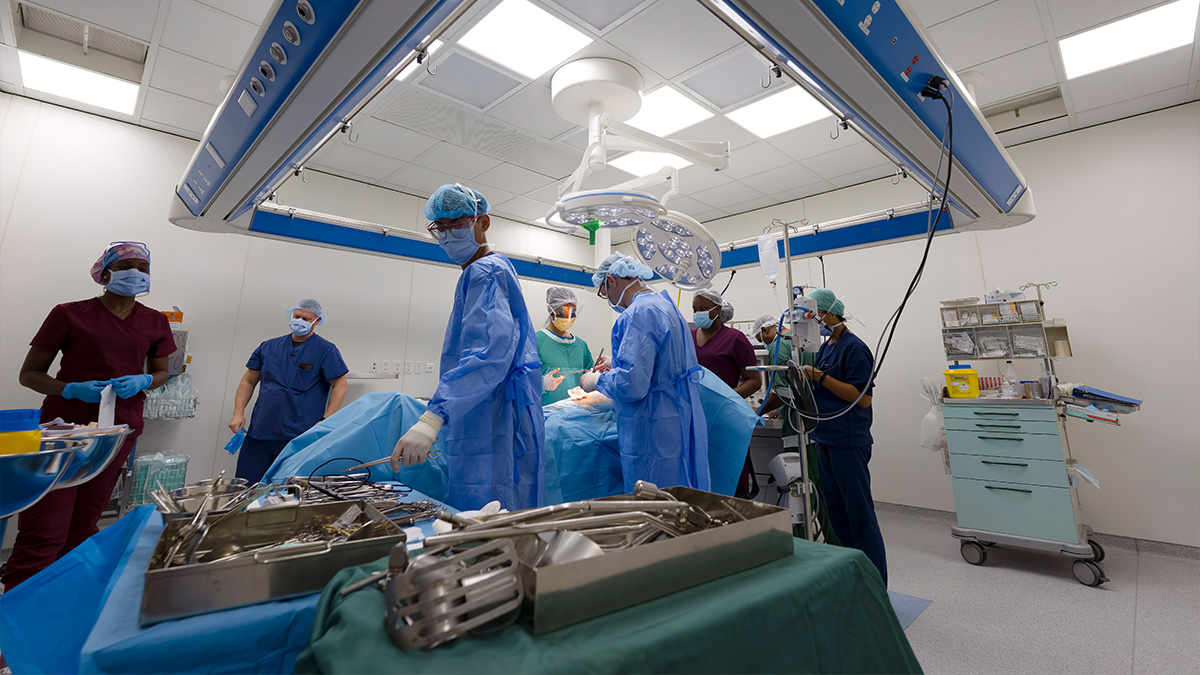

Two of the three livers Vanderbilt surgeons transplanted on the night of Oct. 28 were available for one reason: another transplant center turned them down.
Vanderbilt said yes. Then it had a few hours to get both organs to Nashville, call in a second surgical team and open another operating room after dark.
By morning, the Vanderbilt Liver Transplant team had finished three adult liver transplants in 12 hours, at Vanderbilt University Hospital on Medical Center Drive. All three were successful.
It’s the kind of night that happens at the country’s busiest transplant center. Nashville gets plenty of attention for why it’s called Music City, but in 2025 its biggest hospital did more organ transplants in one year than any U.S. center ever had.
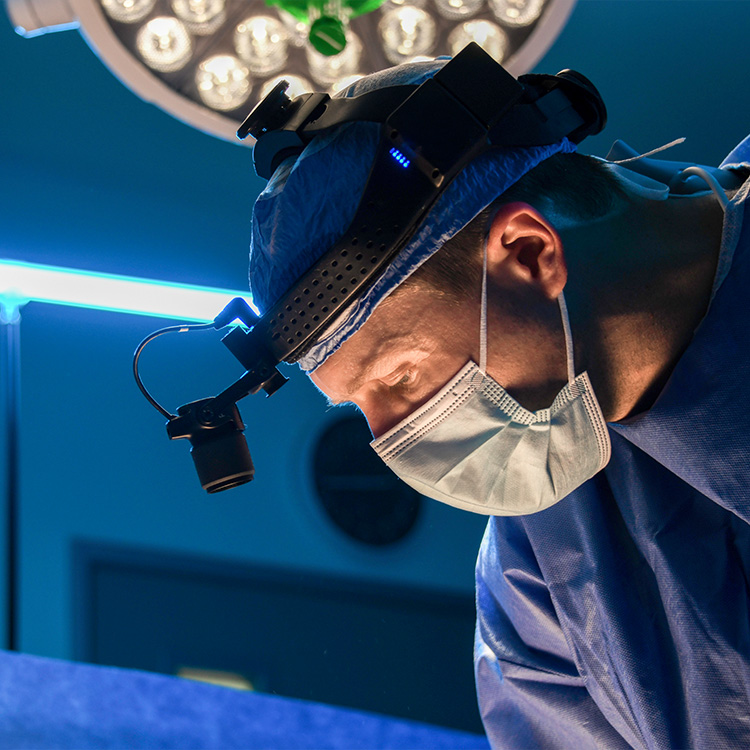
A 9 P.M. Phone Call in the Middle of Surgery
The night started like a normal one, if there’s such a thing in transplant medicine. At 7:30 p.m. on Oct. 28, the team began a single scheduled liver transplant, according to Vanderbilt Health News.
Around 9 p.m., with that operation underway, the call came from Tennessee Donor Services, the federally designated organ donation network for the region. Two more donor livers were available right away. The center first in line for them had declined, and Vanderbilt was next on the list.
The question was simple. Did the team want them?
“Yes,” said Dr. Martin Montenovo, chief of Vanderbilt’s Division of Hepatobiliary Surgery and Liver Transplantation.
Dr. Wali Johnson, one of the surgeons, told WSMV that calls in the middle of a case happen often enough. Usually the team can ask for a pause. That night, he said, both offers were urgent.
Why the Clock Was So Tight
A donated liver doesn’t wait long. Once it’s removed from the donor, it sits on ice without blood flow.
“The cells are going to die if they do not get blood supply quickly enough,” Montenovo told WSMV. He said the team typically keeps a liver on ice for about seven hours.
The surgery itself takes anywhere from 4 to 12 hours. Put those two numbers side by side, and you can see the problem. Lining up all three livers in one operating room, one after another, would have pushed past that window.
How Vanderbilt Ran Two Operating Rooms at Once
Here’s what made the night possible. Most transplant centers can’t run two liver transplants side by side, and Vanderbilt can. It built that ability in recent years as its caseload grew.
That still meant calling in an entirely separate team overnight. Eva Brooks, a clinical staff leader in the main operating room, had to fill both rooms. Each case needs its own pair of nurses, a scrub tech and an anesthesia team on top of the surgeons, and every instrument and supply has to be pulled fast.
“It’s a lot of moving parts, but I’ll be honest, everybody always tries to find a way to say yes,” Brooks said. She credited staff members who gave up their time off to come in.
Meanwhile, organ procurement coordinator Angela Spears was lining up the teams to go get the livers. One organ was at a distant Tennessee hospital, so it came back on a Vanderbilt LifeFlight aircraft. Spears worked with Tennessee Donor Services, LifeFlight, DCI Donor Services logistics and the hospital’s operating room, all while reviewing new organ offers for other Vanderbilt patients.
“They are the best of the best,” Spears said of the liver team. “We all have a part to do to make these transplants happen.”
When the first transplant finished, that operating room was cleaned and set up for the next one. Surgeons Montenovo, Johnson, Lee Gorden and Charles Mouch split the three operations. The anesthesia team included Dr. Patrick Henson, Dr. Mike Mantinan and residents Dr. Mercede Erickson and Dr. Nikki Kingma.
Those names are only the front line. Vanderbilt says it takes a specialized team of about 150 people to carry out a single transplant, from pharmacists and social workers to preservationists and perfusionists.
The Chattanooga Nurse Who Didn’t Know She Was One of Three
One of the patients that night was Krista Owens, who lives in Chattanooga, down the road from Lookout Mountain. She’d been diagnosed with cirrhosis, and a few months earlier her doctors had told her that her liver was no longer working, she told WSMV.
“I think you have a way of fooling yourself with how sick you really are or aren’t,” Owens said.
Her phone rang around 9 p.m., and she headed straight for Nashville. “I think I threw a sock in a suitcase, I don’t know,” she said.
She went into surgery in the early morning hours of Oct. 29.
Owens chose Vanderbilt partly because she’d worked there as a nurse years ago. She didn’t find out until after her surgery that hers was one of three liver transplants that night.
About two weeks later, she told WSMV she felt “amazing” and hadn’t felt that well in three years. All three patients were recovering well, the station reported.

How Nashville Became No. 1 for Transplants
In 2025, the Vanderbilt Transplant Center did 960 solid organ transplants. No U.S. center had ever done that many in a single year, according to Vanderbilt Health. United Network for Organ Sharing data made it the nation’s largest transplant center by volume.
Here’s how that 2025 total broke down:
| Transplant type | 2025 total at Vanderbilt |
|---|---|
| Adult kidney (including 11 kidney-pancreas) | 368 |
| Adult heart (including 3 heart-lung) | 193 |
| Adult liver | 183 |
| Adult lung | 149 |
| Pediatric liver | 18 |
| Pediatric heart | 17 |
| Pediatric kidney | 17 |
The heart team set a world record in 2025 for the second year in a row, with 210 adult and pediatric heart transplants. The lung program ranked No. 2 in the country.
Our math: 960 transplants works out to about 2.6 a day, every day of the year. With more than 49,000 transplants performed nationwide in 2025, according to the federal Health Resources and Services Administration, that’s roughly 1 in every 50 U.S. transplants happening at one Nashville hospital.
Vanderbilt credits a few things for the growth. New preservation technology keeps organs viable longer, so recovery teams can travel farther. And the center uses organs other programs turn down, which is exactly what happened on Oct. 28.
The liver program may hit 200 adult transplants this year, Montenovo told WSMV. That would top the 183 it did in 2025. Vanderbilt has transplanted about 14,000 organs since its first kidney transplant in 1962.
How to Help: Register as an Organ Donor in Tennessee
None of those 960 transplants happen without donors and their families. Here’s how to add your name:
- Register online with Donate Life Tennessee, the state’s organ and tissue donor registry. You can pick which organs and tissues to donate, or donate everything.
- Check yes at the license counter. You can also register when you get or renew your Tennessee driver’s license.
- Tell your family. Let the people closest to you know your decision, so they aren’t guessing later.
- Know the need. More than 109,000 people are on the national transplant waiting list, and 12 die each day waiting, according to HRSA. In 2025, about 3,000 Tennesseans were on that list, Tennessee Donor Services told WBIR.
- Know the impact. One organ donor can save up to eight lives, and one tissue donor can improve the lives of 75 or more people.
If a family member’s care ever brings you to Nashville for a stretch, our local’s guide to Nashville covers which hotels are worth booking and where to go first.