

In one week, the share of Williamson County in extreme drought jumped from 16% to 100%.
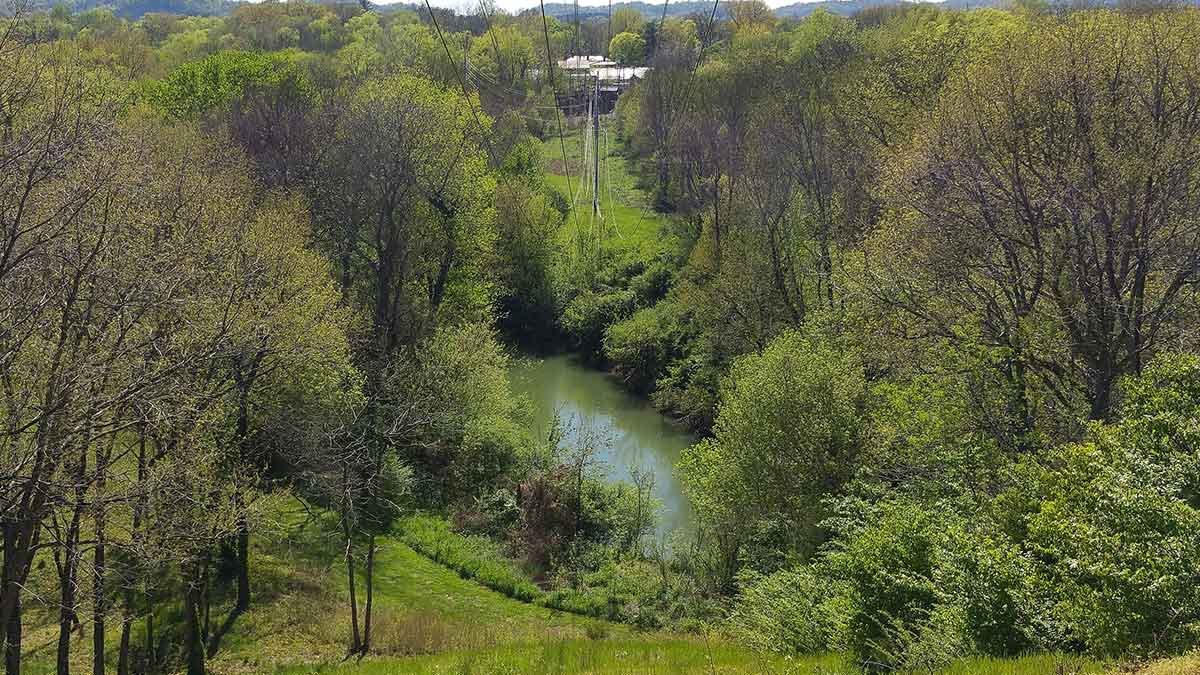
The Harpeth River at Franklin is running at about one-fifth of its normal flow for late October. It has dropped so low that Franklin can no longer pull water from it, so the city is running its treatment plant on its reservoir and asking customers to cut back, the Franklin Beacon reported October 28.
In Rutherford County, La Vergne is asking its customers to reduce peak water demand by 10%.
If water still comes out of your faucet, it’s fair to wonder what skipping a car wash actually accomplishes. Here’s how dry it really is, why it matters even when the tap runs, and the two water-saving moves that make the biggest difference.
Just How Dry Is It?
We checked three official sources on October 30.
The drought map. The latest U.S. Drought Monitor map, valid October 27, puts both counties in extreme drought, the second-worst category:
| County | Now | One month ago |
|---|---|---|
| Williamson (Franklin) | 100% extreme drought | About half severe drought, half moderate |
| Rutherford (La Vergne) | About 79% extreme, 21% severe | Mostly moderate, about 13% severe |
Rutherford first saw extreme drought on October 6 and has been in it for four straight weekly maps. In Williamson, it first appeared October 13 and covered the whole county by October 27.
The river. The USGS gauge on the Harpeth River at Franklin read about 6.1 cubic feet per second early October 30. The historical median for that date is 29. That’s about 21% of normal, and below the flow the river beats on three out of four October 30ths. It’s not a record: the lowest daily flow on record for that date is 0.66, set in 1981.
The rain. At Nashville’s official weather station, September brought only a trace of rain, and October through the 29th brought 1.24 inches. Since September 1, that’s about 5.7 inches below normal, according to the National Weather Service. That’s one Nashville station, not a regional average, but it lines up with what the map and the river show.
As anyone who’s lived here a while knows, Tennessee weather can swing fast. This time it swung dry and stayed there.
Franklin Lost Its River Source, Not Its Water
Franklin doesn’t depend on the Harpeth alone. According to the city’s water quality report, its supply also includes a reservoir and a long-standing arrangement to buy treated Cumberland River water from Harpeth Valley.
That’s why taps are still running. Losing one source doesn’t shut down the system.
But it does mean every gallon now has to come from somewhere else. The less customers use, the less pressure on the reservoir and the other supplies while the river stays low.
How long can that last? Nobody has said. Answering that would take current reservoir levels, demand and supply numbers, and the October 28 coverage didn’t include them.
La Vergne’s 10% Goal Isn’t a Personal Quota
La Vergne’s October 15 announcement asks customers to voluntarily cut back under the city’s severe drought response. Its drought-status page lays out the response phases; mandatory restrictions come in a later phase.
The 10% target is for peak demand across the whole system. Nobody is asking you to cut your own use by exactly 10%.
That makes sense, because households start from very different places. A family watering a big lawn has more room to cut than someone in an apartment who already uses little water. The better question at home is simple: what can we put off, and where might water be leaking without us noticing?
One note: La Vergne made its request October 15. By the October 27 drought map, about 79% of Rutherford County was in extreme drought, so watch for updates from the city.
Start Outside: One Sprinkler Session Adds Up Fast
La Vergne lists lawn and landscape watering, washing personal vehicles, filling pools, and washing driveways and sidewalks among nonessential uses. Most households can put those off without changing anything indoors.
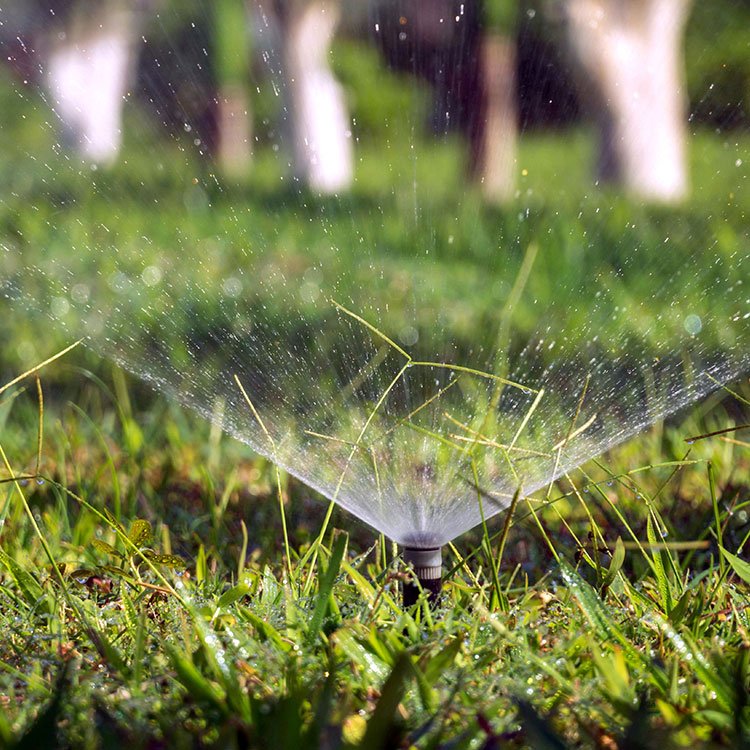
Outdoor watering is the big one. Nashville’s Metro Water Services estimates a typical outdoor watering session uses about 5 to 10 gallons a minute. At that rate:
| Watering time | Water used |
|---|---|
| 5 minutes | 25 to 50 gallons |
| 10 minutes | 50 to 100 gallons |
| 15 minutes | 75 to 150 gallons |
Your own sprinkler may run higher or lower, but the point stands: one session can use dozens of gallons, so it’s the first thing worth cutting.
One catch: watering at a different time of day doesn’t save water. Skipping the session does.
No Lawn? Check for Water You Never Meant to Use
A leaking toilet can waste water all day without making a sound, even in a household that’s doing everything else right. The EPA’s test takes about 10 minutes:
- Put a few drops of food coloring in the toilet tank.
- Wait 10 minutes without flushing.
- If color shows up in the bowl, you have a leak.
- Flush right after so the coloring doesn’t stain.
A worn flapper is a common culprit. Renters who find a leak can report it to property management.
If you can get to your water meter, the EPA also suggests reading it before and after two hours when nobody is using water. If the number changes, you may have a leak worth tracking down.
My Take: Tell People the Numbers
Voluntary requests only work if people believe they matter, and “conserve water” is easy to tune out when the tap still runs.
The numbers here make a stronger case than any press release. A river at one-fifth of normal. A county that went from partly to fully in extreme drought in a single week. More than five inches less rain than normal in Nashville since September. Those are the facts that get people to skip the sprinkler.
I’d like to see both cities share a simple weekly update on how much demand has actually dropped. People keep doing things when they can see they’re working. And if you only do one thing this week, skip one watering session and run the toilet test. The toilet test takes 10 minutes, and skipping the sprinkler takes none.
Your Water-Saving Checklist
Start with the utility named on your water bill, since your mailing address doesn’t always tell you which provider serves your home.
- Read your provider’s latest notice. Check whether the measures are voluntary or mandatory.
- Put off outdoor jobs. Watering, car washing, pool filling and pressure washing can wait.
- Test for leaks. Run the toilet dye test and, if you can, the meter check.
- Fix what you find. Make the repair or tell whoever handles maintenance.
- Watch for updates. Follow your utility’s instructions if conditions or response phases change.
La Vergne says it monitors conditions daily and will post updates through city channels. Tennessee’s drinking water program also directs customers to their local utility for the latest guidance.
Details via the Franklin Beacon, the City of Franklin, the City of La Vergne, the U.S. Drought Monitor, the U.S. Geological Survey, the National Weather Service, Metro Water Services and the EPA.





1 thought on “Two Middle Tennessee cities urge water conservation as severe drought strains supplies”