
The most dangerous thing on a Tennessee trail usually isn’t a bear. It’s the river that rose while you weren’t looking, the tick you didn’t notice until Tuesday, or the poison ivy oil that rode home on your boots.
Most outdoor trouble here comes from small things people don’t see coming. Here’s what to watch for, and what to do if something goes wrong.
Dangerous Plants
Recognize Poison Ivy Before Clearing Brush
Poison ivy grows in Tennessee woods, yards, and trail edges.
Look for three leaflets, but expect variation in their edges, color, and glossiness. Poison ivy can grow low or climb as a woody vine. Older vines often look hairy.
“Leaves of three” is a useful reminder to pause. It isn’t a complete identification method.
Tennessee’s native poison oak generally grows as a shrub in relatively dry, sunny areas. Its three leaflets are often lobed and hairy. Poison sumac is different: it is rare in Tennessee, associated with swampy settings, and generally has seven to thirteen leaflets on each compound leaf. The familiar three-leaflet saying won’t help you recognize that one.
Give unfamiliar vegetation room. For brush clearing, cover your skin and wear gloves. Avoid bare stems and dead vines, too.
The Oil Can Come Home With You
Poison ivy, poison oak, and poison sumac contain urushiol, an oil that causes an allergic skin reaction. Exposure can occur through plants, contaminated belongings, and smoke.
After suspected contact, promptly wash skin with lukewarm, soapy water. Clean contaminated clothes and equipment to prevent another exposure.
The rash itself—and the fluid inside its blisters—doesn’t spread poison ivy. Oil that remains on your belongings can.
A small, confidently identified rash can often be managed with cool compresses and label-directed itch relief. Go to an emergency room immediately for facial swelling or a rash around the eyes, mouth, or genitals. A severe or widespread rash or fever also needs immediate medical care.
Trouble breathing or swallowing means call 911.
Leave unfamiliar vines and contaminated branches out of the campfire.
Never Eat an Unidentified Wild Plant
Poison hemlock grows along Tennessee roadsides, drainage ditches, pastures, and streambanks. It has finely divided leaves, clusters of small white flowers, and smooth, hollow stems often marked with purple spots. It is unrelated to the evergreen trees called hemlocks.
Spotted water hemlock grows in wet settings, including marshes, ditches, and stream margins. It also bears white flower clusters, but it is a different plant with a different toxin. Ingestion can cause severe seizures.
None of this is enough to tell you a plant is safe to eat. Appearance changes with growth, and poisonous plants can be mistaken for wild carrots, parsley, or celery.
Don’t taste an uncertain plant or crush it for a smell test. Keep it out of children’s mouths and games; never use hollow stems as straws or pea-shooters.
If someone may have swallowed either plant, call Poison Control at 1-800-222-1222 immediately for urgent instructions. Don’t wait for symptoms, and don’t induce vomiting. Call 911 for a seizure, collapse, breathing difficulty, or inability to awaken.
Animals and Biting or Stinging Pests
Check for Ticks When You Get Home
Ticks occur in Tennessee yards, grassy edges, brush, and leaf litter. Some remain active on suitable winter days, too.
Use an EPA-registered repellent according to its label. Products containing 0.5% permethrin can treat clothing and gear; they do not belong on skin. Stay toward the center of trails, then check your body afterward—including your scalp, ears, waist, groin, and behind your knees. Help children check thoroughly.
Shower within two hours of returning indoors. Inspect equipment and pets, and tumble dry already-dry clothing on high heat for ten minutes; damp clothing needs longer.
For an attached tick, use clean, fine-tipped tweezers, grasp close to the skin, and pull steadily without twisting. Clean your hands and the bite area. Skip petroleum jelly, nail polish, and heat.
If mouthparts won’t come out easily, don’t dig into your skin. Note the date and where you were outdoors.
Tennessee’s tick concerns include ehrlichiosis and spotted fever illnesses. Fever, headache, muscle aches, unusual fatigue, nausea, or a rash after outdoor exposure deserve prompt medical advice—even if you never noticed a bite. Don’t wait for a bull’s-eye rash.
Lone star ticks are also associated with alpha-gal syndrome, an allergy that can cause delayed reactions after mammalian meat or other triggering products. New hives or abdominal symptoms several hours after eating warrant medical evaluation; breathing problems require emergency help.
Give Snakes Room Before Trying to Name Them
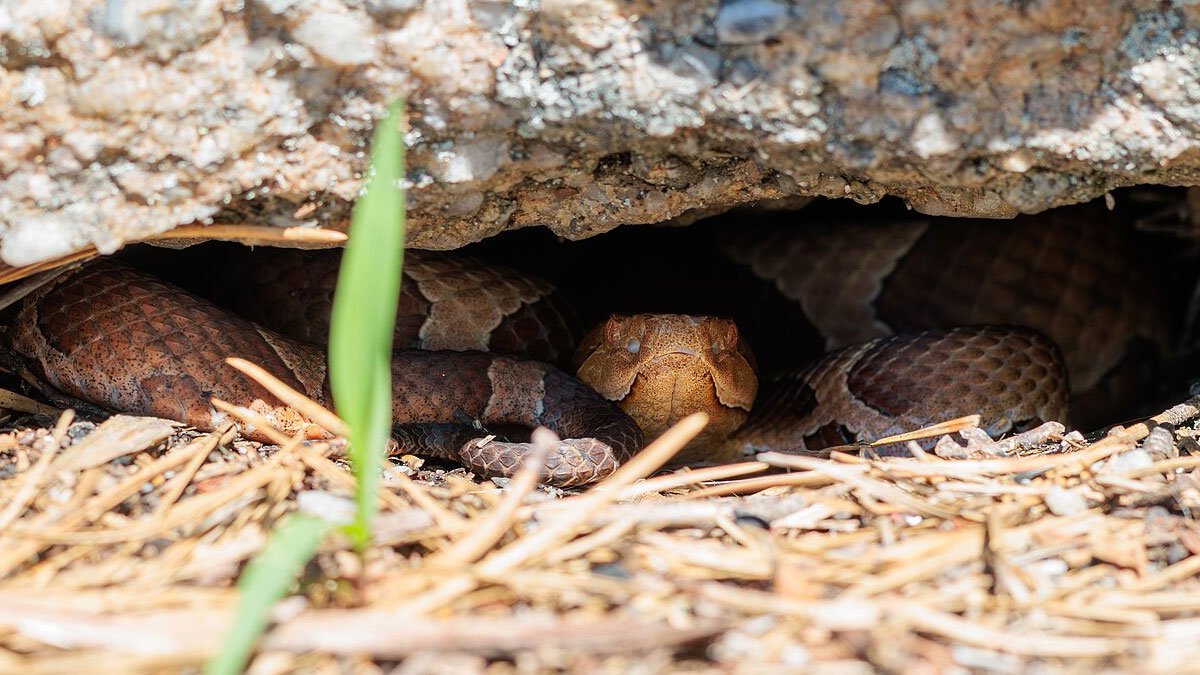
TWRA lists four native venomous snakes in Tennessee: copperheads, cottonmouths, timber rattlesnakes, and pygmy rattlesnakes.
Copperheads and timber rattlesnakes occur across the state. Cottonmouths occur mainly in western Tennessee, including parts of the northern Highland Rim. Pygmy rattlesnakes have a more localized range along the western Highland Rim.
For an unidentified snake, stop, give it space, and back away or choose another route.
Watch where you place your hands around logs, rocks, and brush. Wear boots and long pants for brush work, and use a light after dark. Don’t approach to inspect pupils or head shape, and don’t assume a rattlesnake will warn you audibly.
For a suspected venomous bite, call 911. Limit movement, remove rings and watches, and keep the affected limb in a comfortable, neutral position. Don’t drive yourself, capture the snake, cut or suck the wound, or apply ice or a tourniquet.
Treat Local Stings; Act Immediately for Anaphylaxis
Move away from the insects, remove a retained stinger promptly, wash the area, and apply a cloth-wrapped cold pack. Don’t delay removal while searching for a particular tool.
Trouble breathing, throat or tongue swelling, collapse, or signs of shock can mean anaphylaxis. Use prescribed epinephrine immediately as directed, if available, and call 911—even if symptoms improve. If epinephrine is unavailable, call 911 immediately; emergency help is still needed. Antihistamines do not replace epinephrine.
Cover picnic food and drinks. Avoid ground openings with repeated insect traffic. Check for ant mounds before spreading a blanket or seating a child; disturbed fire ants can sting repeatedly.
Prevent Mosquito Bites Throughout the Day
Mosquito-borne illnesses documented in Tennessee include West Nile and La Crosse. Use label-directed repellent, maintain screens, and empty standing-water containers.
Different mosquitoes bite at different times. Seek immediate medical attention for fever with a severe headache or stiff neck, or for confusion, new weakness, or seizures. These can be warning signs of severe West Nile illness.
Check Stored Gear for Spiders
Wear gloves when moving woodpiles or stored materials. Shake out stored clothing and footwear before putting them on.
Black widows and brown recluses occur in Tennessee. A sore on your skin isn’t proof of a spider bite. Wash a suspected bite, use a wrapped cold compress, and seek professional advice. Spreading pain, severe cramps, a worsening wound, fever, or other illness needs medical assessment.
Keep Your Distance From Bears and Secure Food
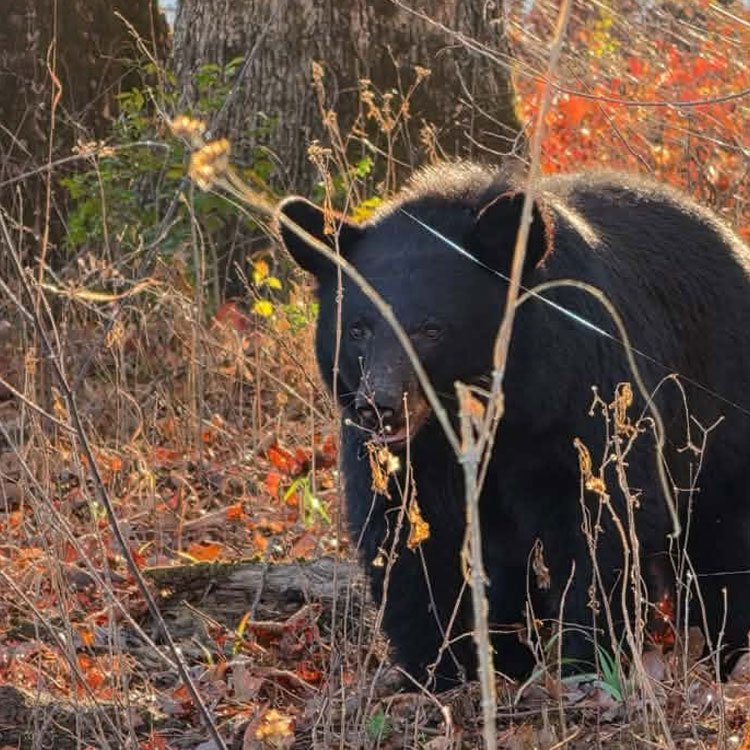
Tennessee’s principal black-bear populations occupy the Appalachian border region and northern Cumberland Plateau, though bears can appear elsewhere. Attacks on people are extremely rare, but approaching or feeding a bear can turn a sighting into a conflict.
Follow the destination’s food-storage rules. Keep food, trash, and scented items out of tents, and never burn food scraps. Our guide to black bears in the Smokies explains seasonal feeding activity and why securing food matters.
In the Smokies, approaching within 50 yards—or any distance that disturbs or displaces a bear—is prohibited. For a roadside sighting, stay in your vehicle and keep traffic moving. On a trail, back away slowly while facing the bear if it changes behavior because of you. Never run.
Smokies encounter guidance advises changing direction if a bear approaches or follows you. If it continues, stand your ground and group together. If it moves closer, shout and act aggressively to deter it. Don’t offer food or try to reclaim food it has taken. If a black bear attacks, the National Park Service advises fighting back; do not play dead.
Water Hazards
Before entering a river, check whether the activity is permitted, what could change the flow, and how you would get out.
Upstream Rain Can Raise the Water
Rain upstream can raise a Tennessee stream even when your picnic spot stays dry. In a gorge, at an unbridged crossing, or beside a low campsite, identify higher ground before you need it.
A flood watch means conditions favor flooding. A flash flood warning means flooding is imminent or occurring and requires action. Rising or suddenly muddy water and moving debris are reasons to leave without waiting for an alert.
Don’t wade a swollen crossing or drive through a flooded access road.
Dam Releases Can Strand Wading Anglers
The river below a dam—a tailwater—can change quickly. Wading anglers may become stranded on gravel bars as water rises. Before stepping in, identify a route back to shore and higher ground.
Check the exact dam and operator. TVA’s release information and the U.S. Army Corps of Engineers’ generation schedules cover different Tennessee projects. For example, the Corps operates Center Hill Dam, whose releases affect the Caney Fork.
Schedules can change without notice. A generation forecast doesn’t rule out other discharges.
Keep watching the water. Obey barriers, lights, and horns, but don’t wait for a siren to confirm a rise. Leave promptly; don’t finish another cast or retrieve gear.
At low-head dams, water spilling over the barrier can circulate back toward it, trapping people and debris. A small drop can hide a powerful current.
Locate dams before paddling, and avoid them. A life jacket cannot make that circulating water safe.
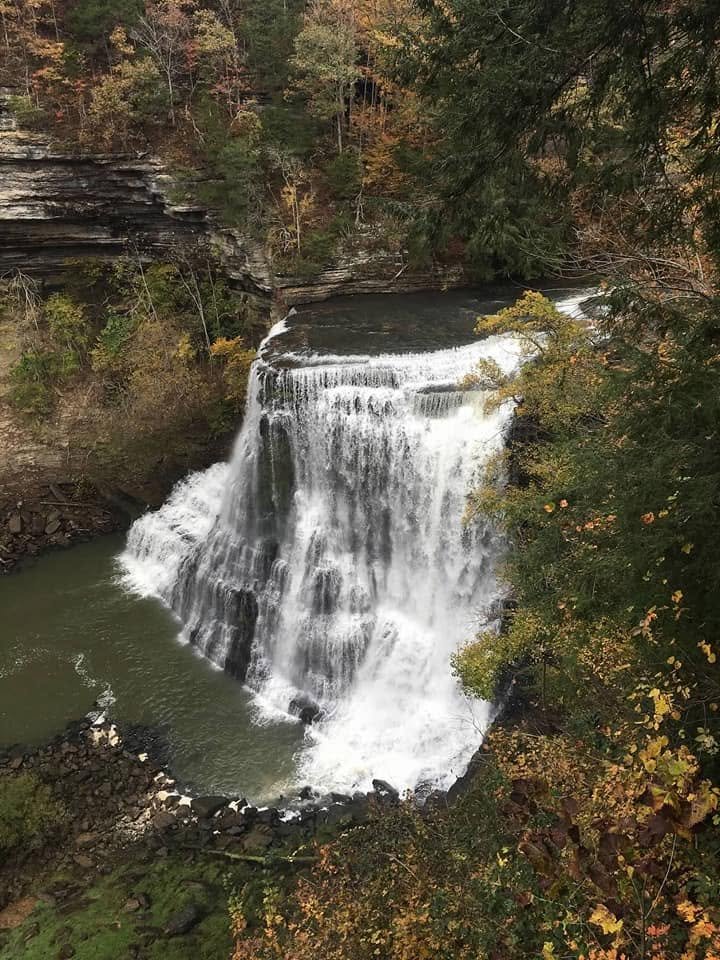
Stay Off Waterfall Rocks and Out of Unfamiliar Pools
Slippery rocks, hidden obstacles, and turbulent pools can turn a fall into a drowning emergency. Stay on authorized viewing routes and behind barriers. Don’t climb waterfall rocks or jump into water of uncertain depth.
Just because other people are swimming doesn’t mean it’s safe. Clear water can hide obstacles and difficult exits. For viewing routes and access details, see our guide to Tennessee waterfalls in winter.
Great Smoky Mountains National Park has no lifeguarded swimming areas and recommends against water recreation. Elsewhere, check whether swimming is permitted at the exact location you’re considering—even at places in our guide to Tennessee beaches recommended by locals.
Dress for Water Temperature, Even on Warm Days
Warm air doesn’t mean warm water. Sudden cold-water immersion can cause involuntary gasping and rapid breathing before hypothermia develops.
Wear a properly fitted life jacket before launching. Choose clothing and, where appropriate, a wetsuit or drysuit for the water temperature. A life jacket in the boat won’t keep you afloat during a capsize.
Fallen Trees and Rocks Can Trap Swimmers
Fallen trees can let water pass while trapping a person or boat. Rocks can catch a foot while the current pushes the body down. Strong swimming ability doesn’t remove these hazards.
Match paddling routes to your group’s training and equipment. Check for changes after storms. After a capsize in fast water, don’t try to stand; foot entrapment is a serious concern. Basic emergency advice cannot replace river-specific training.
Clear Water Can Still Be Contaminated
A place where swimming is allowed can still have unsafe water.
Avoid water with suspicious scum, mats, paint-like streaks, unusual color, or odor. Some cyanobacterial blooms produce toxins you cannot detect by appearance. Keep pets away from suspect water.
After suspected bloom exposure, rinse with clean tap water and seek medical advice for symptoms. A pet becoming ill after exposure needs immediate veterinary care.
Bacteria can also be present in clear water, particularly after runoff. Follow CDC’s natural-water precautions: avoid swallowing water and stay out when sick with diarrhea. Check Tennessee’s water-contact advisories and current notices from your destination’s managing agency. A fish-consumption advisory and a swimming restriction address different concerns.
Reach or Throw Flotation; Start CPR Once Ashore
For a drowning emergency, call 911 and give the waterway, access point, and location. From a secure position, reach or throw suitable flotation if safe. Don’t enter hazardous current to attempt an untrained rescue.
Once someone is safely out, an unresponsive person who isn’t breathing normally needs CPR. The American Heart Association recommends rescue breaths with chest compressions after drowning. If unable or unwilling to give breaths, provide chest compressions. Follow dispatcher instructions and your training. Don’t delay CPR while searching for an AED.
My Take
I love getting out on Tennessee’s trails and rivers with my family, and nothing on this list should keep you indoors. Most of these risks come down to a few habits: check for ticks when you get home, give snakes and bears space, never trust a river after rain upstream, and wear the life jacket instead of storing it under the seat.
Before You Head Out
- Check destination notices, upstream weather, water advisories, and any relevant dam information.
- Confirm that swimming or paddling is permitted at the exact access point, and identify exits before entering.
- Pack label-appropriate repellent, fine-tipped tweezers, drinking water, a first-aid kit, and prescribed emergency medicines.
- Wear boots and long pants for brush work. For boating, wear a properly fitted life jacket and dress for the water temperature.
- Follow the site’s food-storage rules and give children continuous adult attention near water.
- Share your route, access points, and return time. Save the information you’ll need if cell coverage disappears.
This article is general safety information, not medical advice. In an emergency, call 911. For possible poisonings, call Poison Control at 1-800-222-1222.