
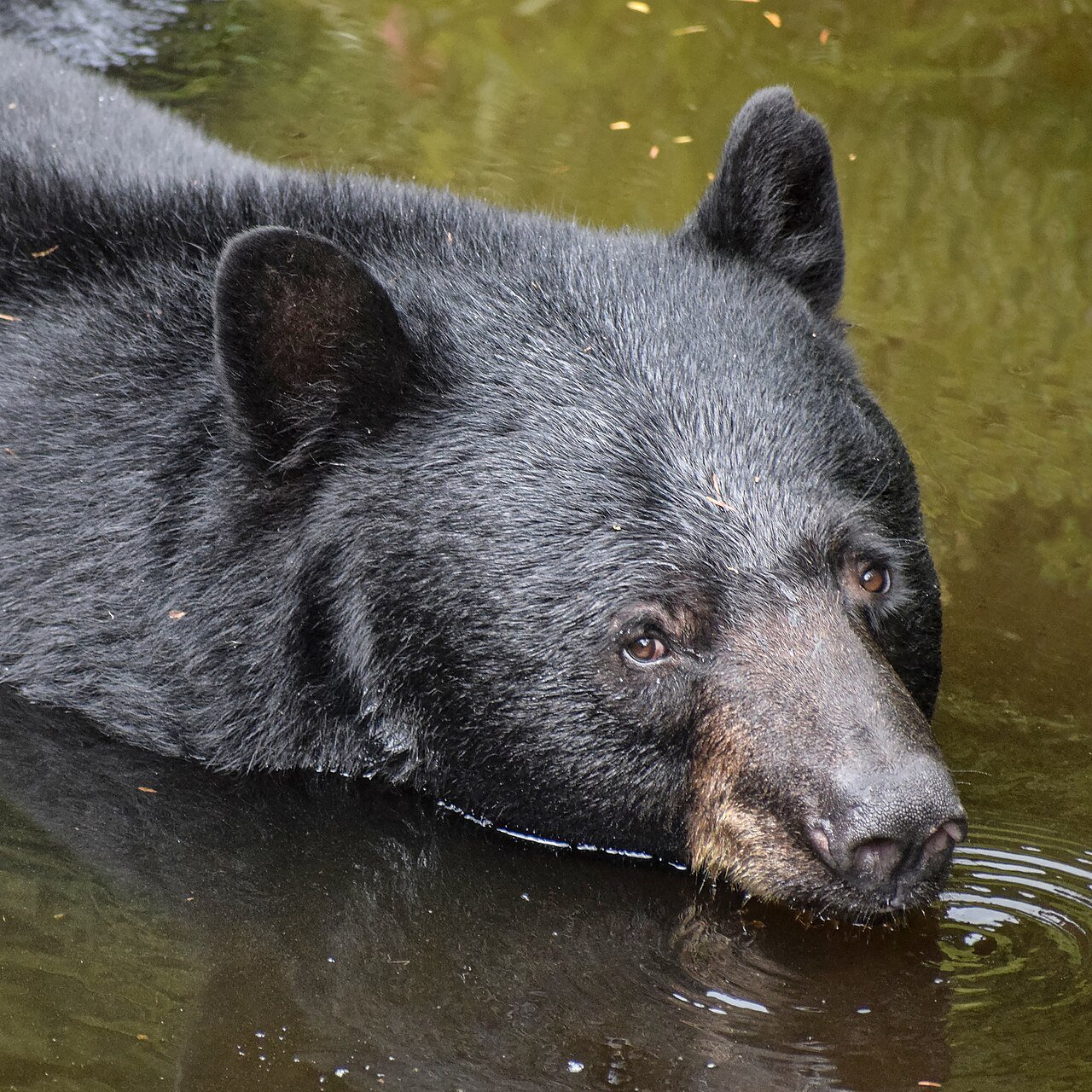

Right now, black bears in the Great Smoky Mountains can eat up to 20,000 calories a day. That’s ten days’ worth of food for an average adult, every single day.
About 1,900 of them live in the park, roughly two bears for every square mile.
Most of that food comes from plants. And the biggest threat these bears face isn’t winter or hunger. It’s a cooler left out on a picnic table.
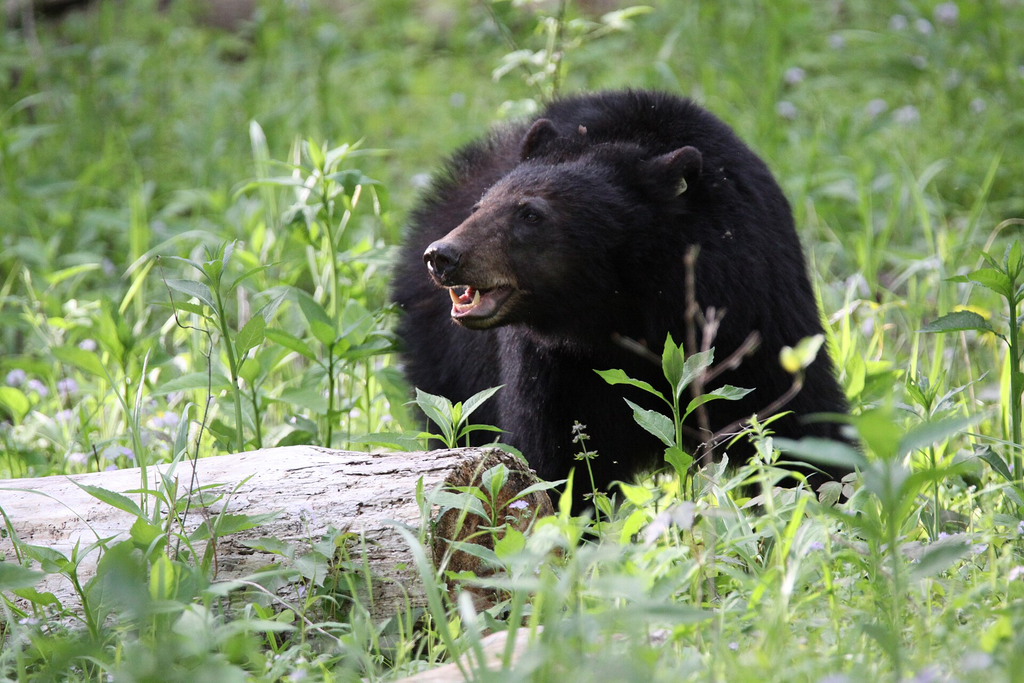
Two Bears for Every Square Mile
The Smokies give black bears what they need most: huge stretches of protected forest full of natural food. Bears live throughout the park, from the lower valleys to the high ridges. According to the National Park Service, that adds up to the highest density of black bears in the country. Those forests also helped put the Smokies among Tennessee locals’ favorite parks.
For an animal that powerful, the diet is mostly vegetarian. About 85% of what a black bear eats comes from plants: grasses, berries, nuts, and acorns, plus insects and the occasional animal.
The menu shifts with the seasons. Spring brings fresh growth, summer brings berries and insects, and fall is all about acorns and other nuts.
The 20,000-Calorie Season
As temperatures drop and the leaves turn, bears enter hyperphagia, a stretch of eating as much as possible before winter. The National Park Service says bears may take in up to 20,000 calories a day during this period.
Those calories become the fat that carries a bear through months in its winter den. For females, those reserves also affect whether they can have cubs and raise them.
That’s why bears can turn up foraging in the woods or near roadsides in fall.
Two Per Square Mile Doesn’t Mean Two Per Mile of Road
Even with 1,900 bears in the park, a sighting is never guaranteed. The estimate covers the entire park, not just the parts you can see from a car, and most bears spend their time far from roads and crowds.
You can drive the most popular routes on a fall weekend and never see one. That distance from people is exactly what keeps them wild.
The Cooler That Can Kill a Bear
A cooler left outside. A bag of trash beside a picnic table. Food scraps tossed on the ground. Any one of them can teach a hungry bear that people mean easy meals.
According to the National Park Service, bears that get used to human food can lose their natural fear of people. They start approaching vehicles, campgrounds, and picnic areas looking for more. Some become dangerous enough that wildlife officials have to euthanize them.
The risks of bears becoming comfortable around people were highlighted by a recent case involving a black bear found shot dead in Gatlinburg after repeated trouble around homes and businesses.
Keep food and trash secured, use the park’s bear-resistant garbage containers, and never feed wildlife. Backcountry campers must store food and scented items on the designated bear cables where they’re provided.
50 Yards, No Exceptions
Park rules require visitors to stay at least 50 yards, or 150 feet, from black bears. That’s half the length of a football field. And if a bear changes its behavior because of you, you’re too close, whatever the distance.
Approaching or disturbing a bear can lead to fines and arrest.
On the road, don’t stop in a travel lane to watch. These “bear jams” put both drivers and bears at risk. Stay in your vehicle and move on when it’s safe.
If you meet a bear on foot, stay calm and never run. If it notices you and changes its behavior, back away slowly while facing it. If it follows or approaches, stand your ground, make yourself look bigger, and don’t turn your back. If it keeps coming, shout and act aggressively. Never drop food to distract it.
Smokies Bear-Watching Guide
Cades Cove: The park’s best-known wildlife-viewing area, where open fields bordered by forest make it easier to spot animals from a distance. The Cades Cove Loop Road is an 11-mile, one-way loop, so expect slow traffic on fall weekends. Nearest town: Townsend.
Cades Cove also topped locals’ picks for the most beautiful places in Tennessee, with scenery worth the drive even if no bears appear.
Roaring Fork Motor Nature Trail: A narrow, wooded drive near Gatlinburg through bear habitat. It closes for part of the winter, so check its status before you go.
For things to do after the drive, see the Gatlinburg section of our guide to Tennessee locals’ favorite places to visit.
Little River Road: The forested road along the Little River between the Sugarlands Visitor Center and Townsend, with mountain slopes and river views the whole way.
Townsend topped our list of Tennessee locals’ favorite small towns and makes a useful base for exploring this side of the park.
Parking: Vehicles parked anywhere in the park for more than 15 minutes need a parking tag.
Report a problem bear: Call park officials at 865-436-1230. In an emergency, call 911.
Bear facts and safety guidance from the National Park Service.



7 thoughts on “Nearly 1,900 Black Bears Live in the Smoky Mountains, and Fall Is One of Their Busiest Seasons”