
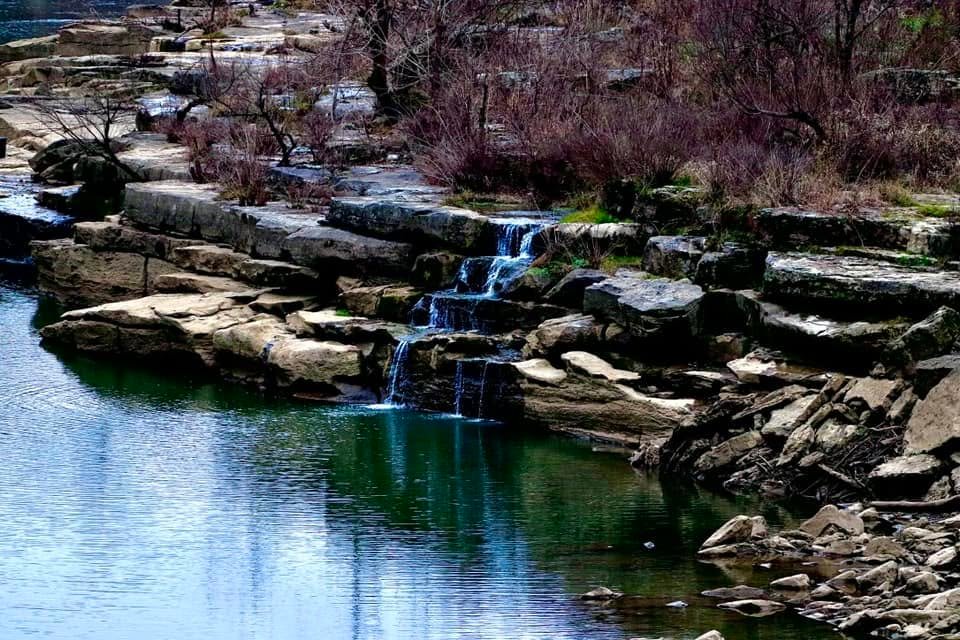

“Anywhere outside, TN has too many beautiful places to pick just one spot.”
That response captured much of the mood when I asked Tennessee locals on Facebook, “Where’s the best place to enjoy nature in Tennessee?” Hundreds of people answered. Mountain trails and waterfalls came up, along with front porches at sunset and backyards with rabbits and deer.
There was also a recurring desire to find somewhere quiet, away from crowds and development. Sometimes enjoying nature meant making a day of it. Sometimes it meant opening the front door.
The numbers below count mentions, including some jokes and passing references, rather than positive votes. Several places tied. This guide uses that discussion to help you choose an outing: a woodland walk, time by the water or a drive through the mountains.
#1 Great Smoky Mountains
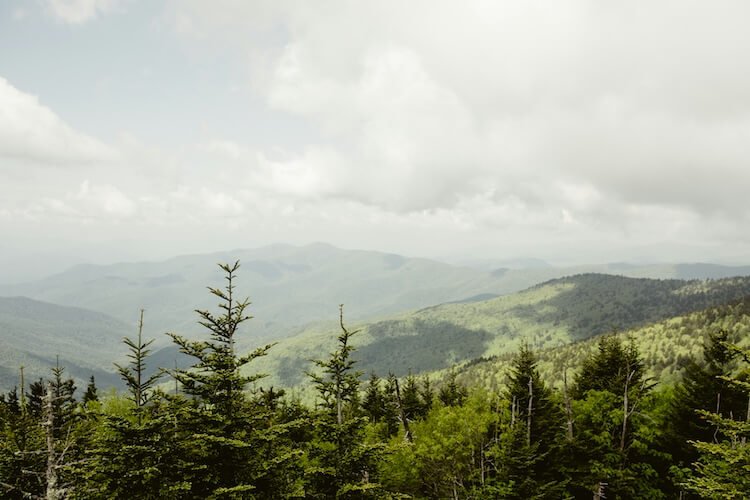
How much walking do you want to do? That’s a useful place to start with the Smokies. The national park stretches across Tennessee and North Carolina, with options ranging from short forest paths to demanding mountain hikes.
For a gentle introduction, head toward Sugarlands, just south of Gatlinburg. The nearby Sugarlands Valley Nature Trail is a half-mile loop through forest with streamside views and old stone chimneys. It’s flat and paved, so you can spend more time looking around and less time watching your footing.
For wider mountain views, follow Newfound Gap Road up to Newfound Gap, on the Tennessee–North Carolina border. You can take in the scenery from the overlook and combine the drive with a short walk elsewhere in the park. Give yourself time to stop rather than filling the day with destinations scattered across the map.
Popular parking areas can fill up, so an early start helps. Check road and trail conditions before leaving, particularly when mountain weather could affect access.
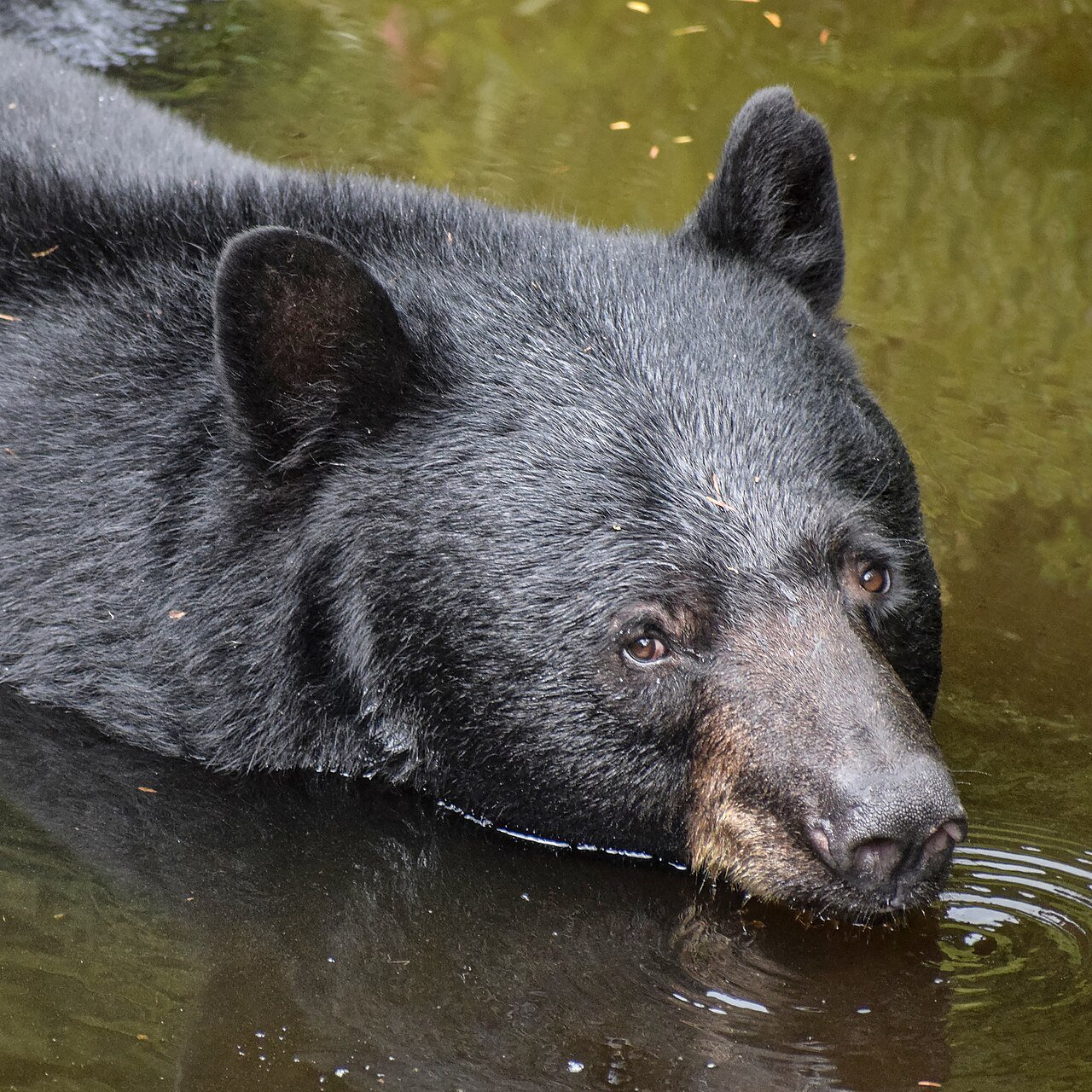
Before heading out, read our guide to black bears in the Smoky Mountains, including safe viewing distances and how to keep food secured.
Budget $5 per vehicle for a daily parking tag if you’ll park for more than 15 minutes; park entry itself is free. Download your map beforehand, too. Phone reception is very limited once you’re in the park.
#2 Cades Cove
“Everywhere. Cades Cove is my favorite.”
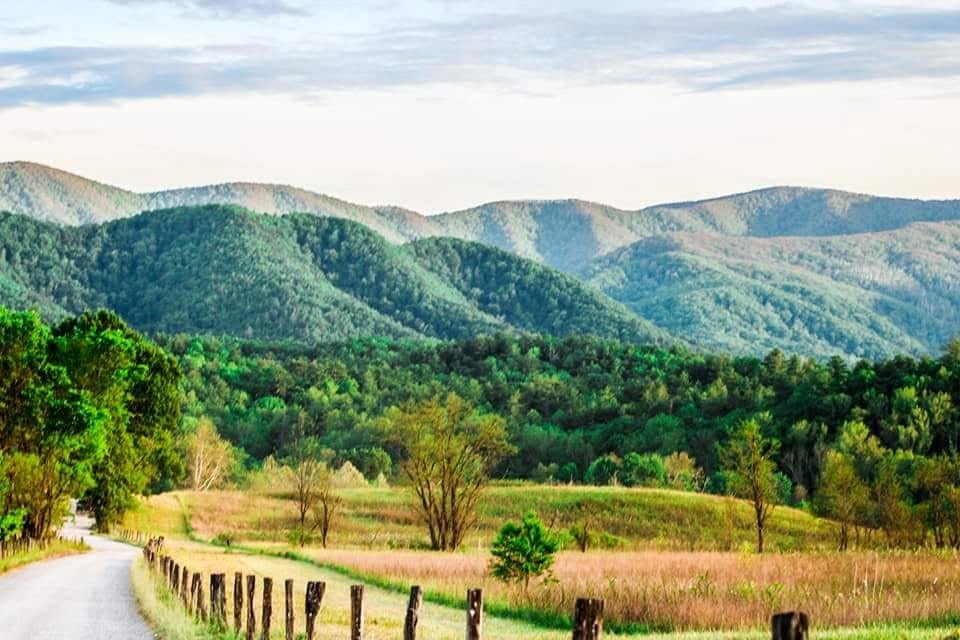
Cades Cove is within Great Smoky Mountains National Park, south of Townsend. Its open fields and surrounding mountains sit alongside historic churches, cabins and a working gristmill. The 11-mile, one-way loop road lets you explore at a slower pace, stopping for scenery, buildings and walks along the way.
Allow two to four hours for the loop, with extra time for hiking. Eleven miles sounds quick until you add stops and traffic. Summer, fall and weekends can be busy, so leave room in your schedule.
For a different experience, the loop typically has vehicle-free Wednesdays from May through September, allowing walking and cycling. Check the dates for your visit.
Wildlife watching is part of the appeal. Use designated pullouts and keep your distance from animals so everyone can enjoy the view safely.
Cades Cove also topped locals’ picks for the most beautiful places in Tennessee, alongside waterfall views and grassy mountain ridges.
#3 Fall Creek Falls
“Just open the front door. It’s all beautiful. But Fall Creek Falls State Park is my slice of heaven.”
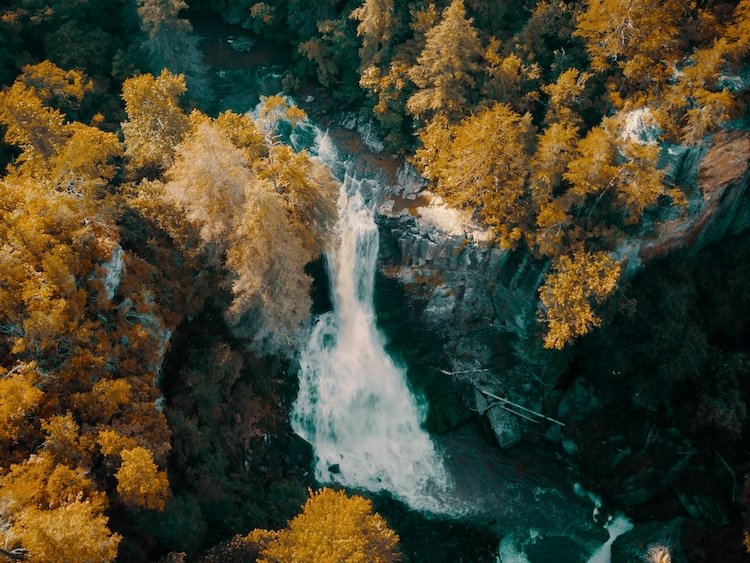
At this park near Spencer, the 256-foot waterfall is the main attraction, with forested gorges and trails stretching across the Cumberland Plateau.
You can view the main falls from above or walk down toward their base. The route down is steep and rocky, and you’ll have to climb back up. Think about the return walk before heading down.
Start with the overlook if you’re unsure about the walk. You can enjoy the view and decide how much more exploring fits your group.
The park also has a lake and other walking routes, so the waterfall doesn’t have to account for the entire outing. The Betty Dunn Nature Center is a useful place to get trail information.
For more waterfall outings, our guide to Tennessee parks recommended by locals also includes Burgess Falls and Rock Island.
Check the current trail map before adding extra waterfalls or overlooks. Some connecting trails have been affected by damage, and an open viewpoint doesn’t necessarily mean every route leading to it is open.

#4 Memphis
Memphis drew a mixture of straight answers and wisecracks. The discussion also named two specific places to explore: Shelby Farms and Shelby Forest.
Shelby Farms Park, in the eastern part of Memphis, covers around 4,500 acres. Its lakes, paved paths and woodland trails let you choose the kind of outing you want. A walk near Hyde Lake gives you time by the water, while the woodland trails take you farther into the trees. Families can also combine a walk with the playground.
Pick your destination within the park before navigating there. It’s large enough that arriving at one entrance won’t necessarily put you beside the activity you had in mind.
Meeman-Shelby Forest State Park is a separate place north of Memphis, near Millington. Here, the emphasis shifts toward bottomland hardwood forest, wetlands, lakes and trails near the Mississippi River.
Choose Shelby Farms for a mix of recreation and nature within the city. Consider Shelby Forest when you want your outing to revolve around a woodland setting.
To mix outdoor time with music and history, see the Memphis section of our guide to Tennessee locals’ favorite places to visit.
#5 Tellico Plains / Tellico Area
Tellico Plains puts mountain overlooks, lake walks and river scenery within reach. The answers connected the town with Cherokee National Forest and Indian Boundary, though those outdoor experiences are outside town.
The Cherohala Skyway begins in Tellico Plains and runs about 43 miles to Robbinsville, North Carolina. Overlooks along the route let you enjoy the mountain scenery without setting out on a hike. You can explore the Tennessee portion without committing to the entire drive.
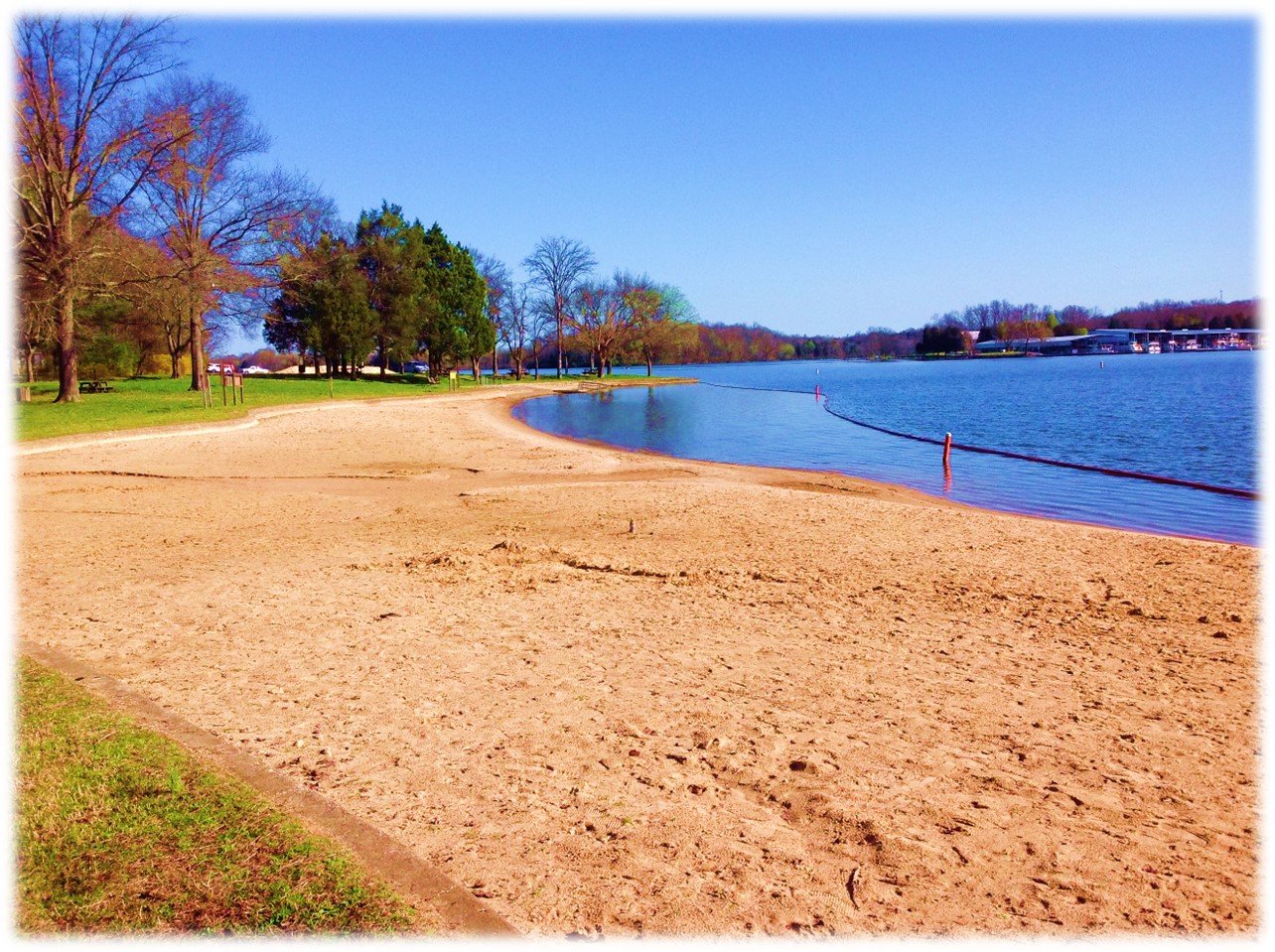
Indian Boundary Recreation Area, accessed off the Skyway, has a lake, picnic facilities, a swimming beach and a 3.6-mile trail around the water. A picnic and a short lakeside walk are options if the full circuit is more than you want to do.
If swimming is the main attraction, Indian Boundary also features in our guide to Tennessee locals’ favorite beaches, with more details on the beach and what to check before visiting.
For a river drive, follow Tellico River Road, also called Forest Road 210. It’s winding and narrow, with views of the river along the way. Bald River Falls makes a clear destination: the roughly 90-foot waterfall can be viewed from the bridge, giving you a waterfall stop without a long hike. Parking is limited, and weekdays generally give you a better chance of avoiding the busiest periods.
#6 Big South Fork Area
“Serene and not crowded” was how one response described Big South Fork.
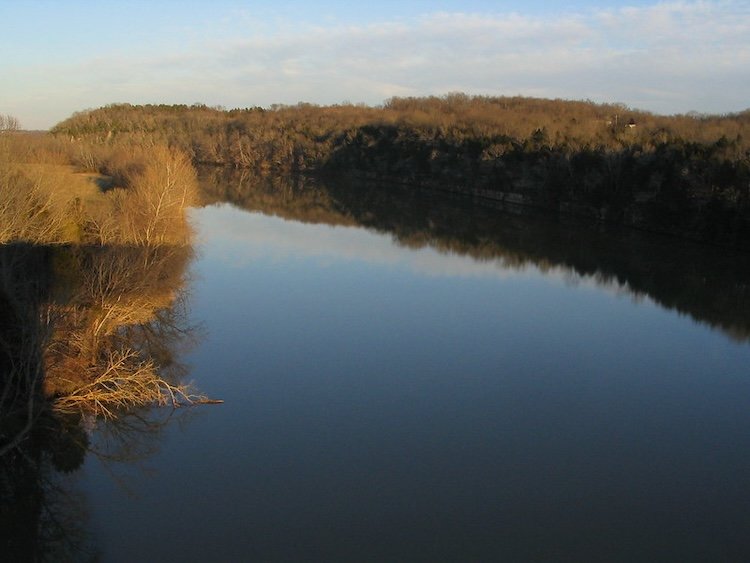
Big South Fork National River and Recreation Area protects roughly 125,000 acres of the Cumberland Plateau across Tennessee and Kentucky. River gorges, sandstone bluffs and forest trails give it a different character from the Smokies.
On the Tennessee side, Bandy Creek Visitor Center is a useful starting point. The nearby 1.3-mile Bandy Creek Loop offers a manageable introduction to walking in the area.
For a shorter outing with a view, the paved path from the parking area to East Rim Overlook is about a tenth of a mile. Leatherwood Ford also provides access for a riverside walk where you can turn back when you’ve had enough.
Longer hikes explore more of the rugged landscape, but the short paths give you a way to enjoy its river and gorge scenery without spending the whole day on a trail.
#7 Reelfoot Lake
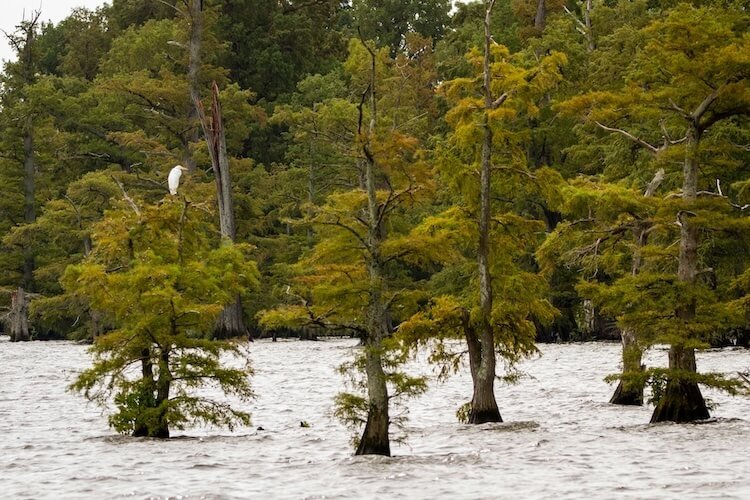
Cypress trees rising from shallow water give Reelfoot Lake a very different landscape from a mountain overlook. Near Tiptonville in the northwest corner of Tennessee, the lake formed during the New Madrid earthquakes of 1811–1812.
For a first visit, start at the state park’s Visitor Center on Highway 21. The museum and nearby boardwalk give you an introduction to the lake and its wetlands, with a place to begin exploring on foot.
Birdwatching is a major reason to visit. Winter brings bald eagles and large numbers of waterfowl, while spring and fall migration add other opportunities. Bring binoculars and allow time to watch rather than treating the shoreline as a quick photo stop.
Fishing and boating are also part of Reelfoot’s appeal. If you’re planning time on the water, check the appropriate access point and local conditions before arriving.
Your choice of season can shape the experience as much as your choice of trail. A winter visit focused on eagles will feel different from a spring afternoon watching migrating birds.
#8 Gatlinburg
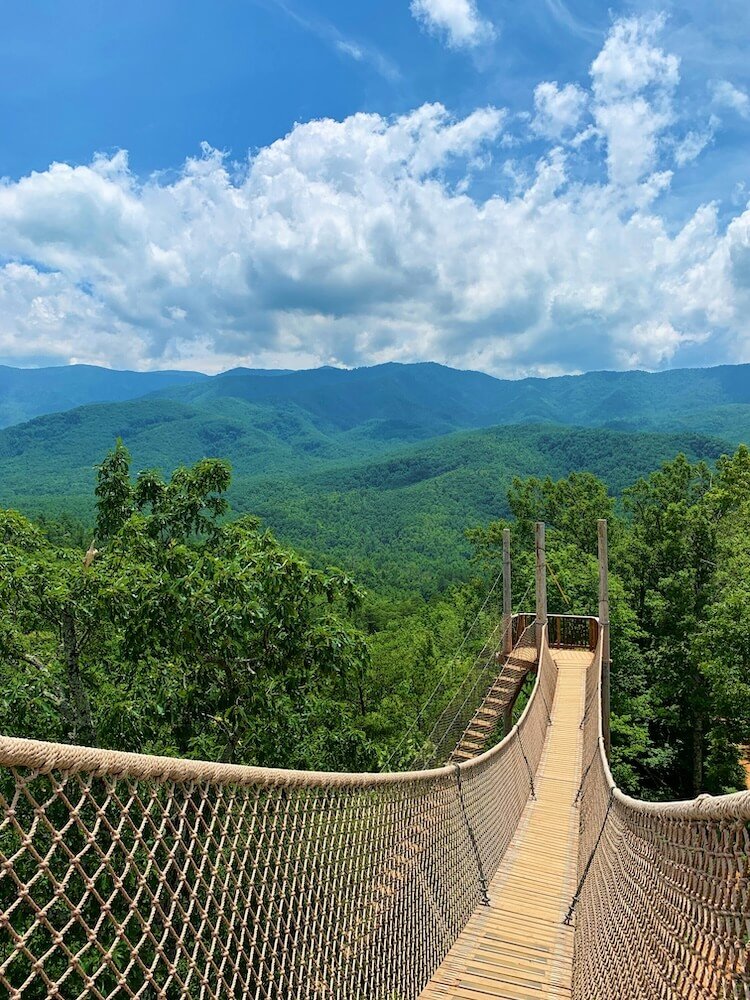
Gatlinburg produced mixed reactions. One response dismissed it as somewhere to enjoy “people and commercialism,” while others pointed to its outdoor surroundings.
Mynatt Park was a specific suggestion worth following. Within Gatlinburg, it provides access to LeConte Creek, paved pathways, picnic facilities and a playground. It’s a practical option when you want outdoor time that fits around the rest of your day.
A picnic and a short walk beside the creek can be an outing in themselves. If you’re bringing children, the playground gives them somewhere to play while the rest of the group takes a break.
Keep the distinction between town and national park clear when planning. Staying in Gatlinburg gives you a base near the Smokies, but a hotel address alone won’t tell you how far you’ll travel to a particular trailhead.
#9 Nashville
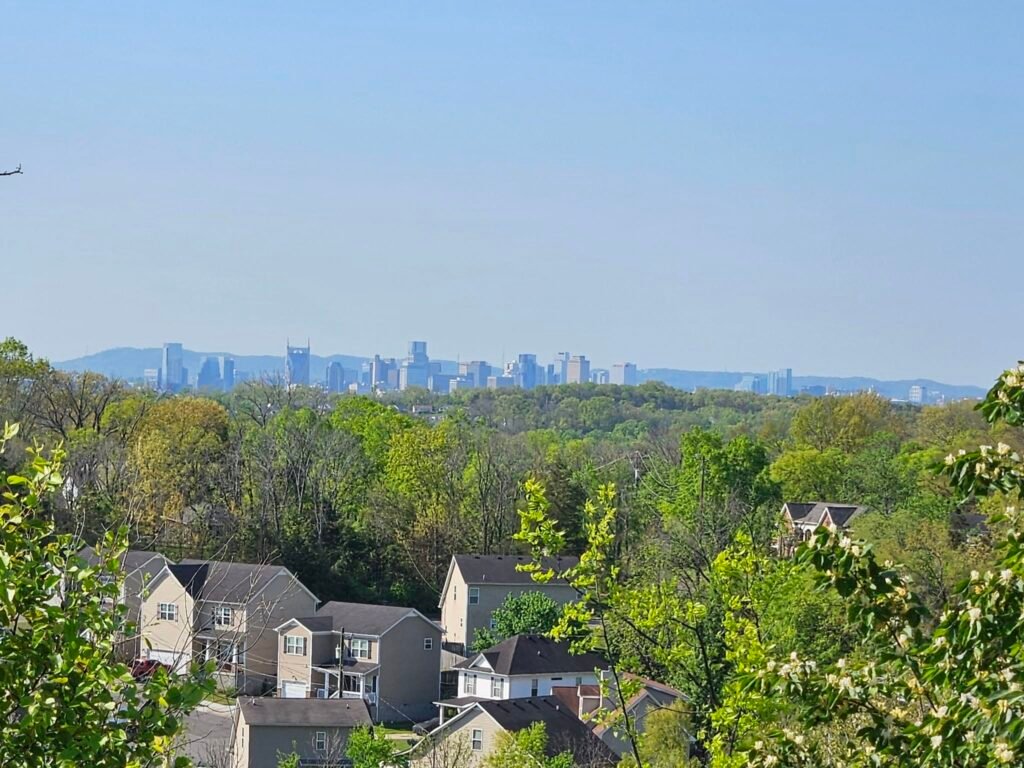
Nashville’s total also included passing and negative references. Radnor Lake, however, was named directly as a place to enjoy nature.
In the southern Nashville area, Radnor Lake State Natural Area focuses on forest walks, wildlife observation and photography. The lake and wooded surroundings make it a useful choice when you want to spend time looking and listening rather than covering ground quickly.
The park’s paths vary, and a paved surface doesn’t always mean an easy walk: the approach to the aviary on Hall Drive is steep. Look at the route as well as its length when deciding where to go.
Radnor also has rules that matter when deciding whether it suits your plans. Dogs, jogging and bicycles are restricted to the Otter Creek Road trail; the other trails are for quieter activities such as hiking and wildlife observation.
Check the current map and open routes before planning a circuit. Give yourself enough time to pause by the lake instead of trying to squeeze the whole visit between appointments.
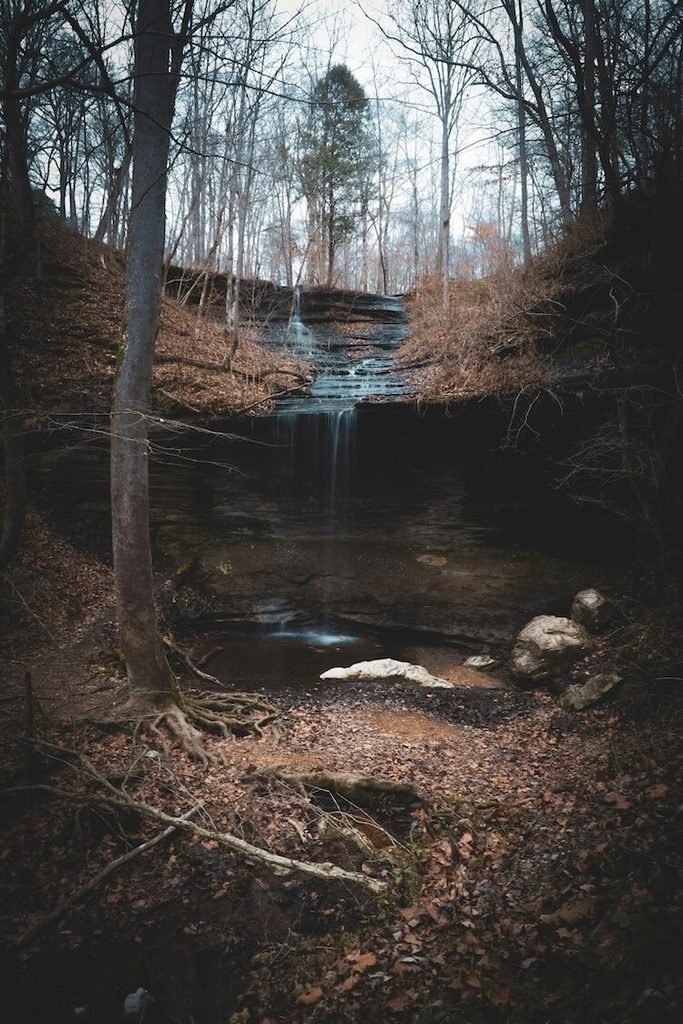
#10 Natchez Trace Parkway
“Drive down the Natchez Trace” was one suggestion, and it’s an approachable way to begin. The parkway runs 444 miles through Tennessee, Alabama and Mississippi, following a historic travel corridor.
For a Tennessee outing, choose a section with a few stops rather than treating the whole route as a project. Around the northern portion, Garrison Creek at milepost 427.6 provides access to the Highland Rim section of the Natchez Trace National Scenic Trail.
You can combine driving with a walk, adjusting the distance to your time and energy. The woodland stops give you a reason to leave the car and experience the landscape more closely.
Make sure you’re planning for Natchez Trace Parkway, which is different from Natchez Trace State Park near Wildersville.
The Double Arch Bridge at Birdsong Hollow is closed for repairs, with reopening expected in spring 2027. The parkway is closed between mileposts 437 and 440. Check the detour before leaving, especially if you’re approaching from Nashville.



3 thoughts on “Where to Enjoy Nature in Tennessee: 10 Places to Explore”