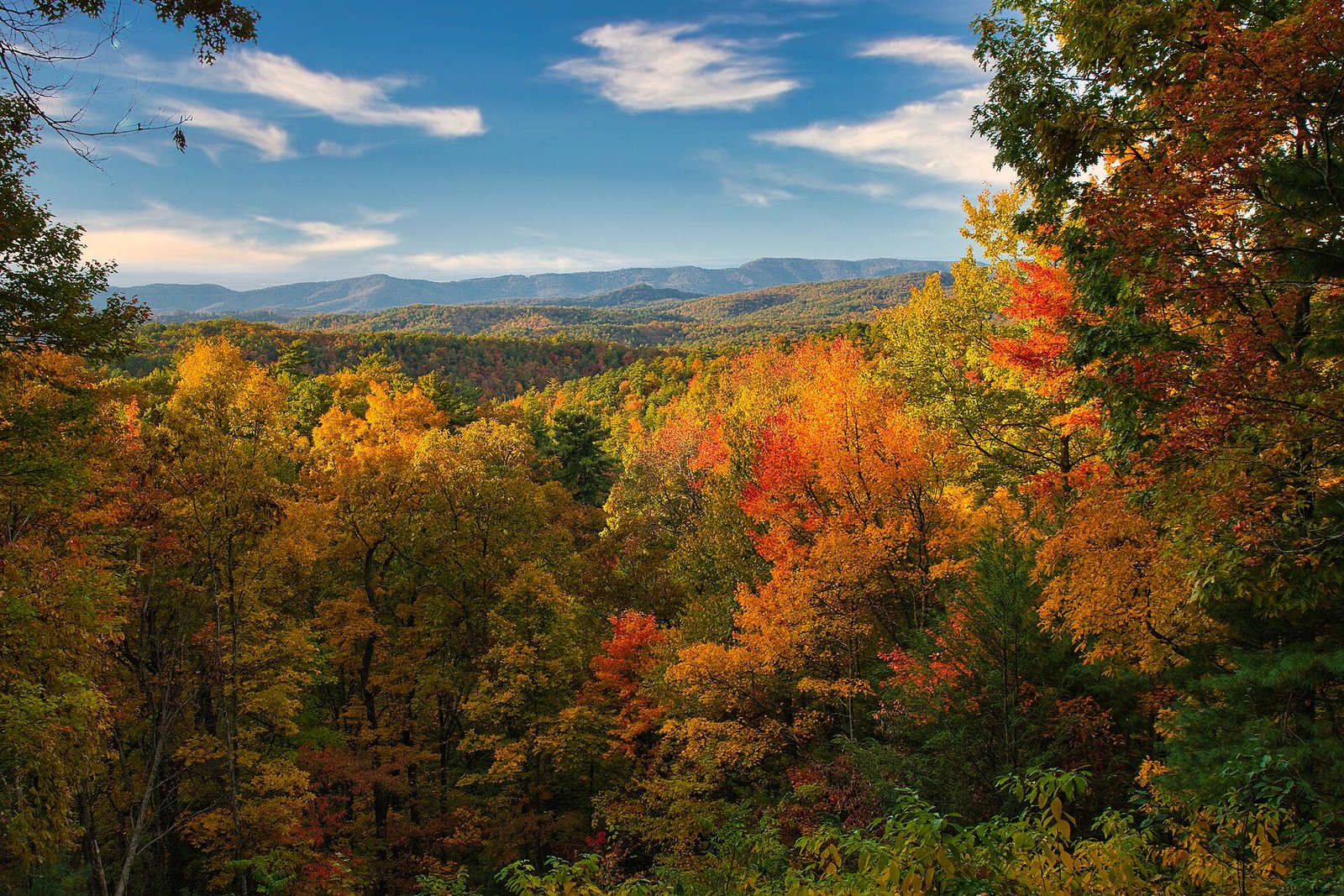

I asked Tennessee locals on Facebook, “Where’s your favorite place to go in Tennessee?” The answer that kept coming up wasn’t the Smokies, Nashville, or Dollywood.
It was home.
People named their own back porch, front porch, or backyard. “Home, I just absolutely love to go home and be home,” one person wrote.
So where do Tennesseans go when they actually leave the house? These are the ten places they named most in that informal discussion, with a tie for the last spot, plus what to know before you go. Stay for the end, where one commenter describes a view that explains why they never need to leave.
1. Great Smoky Mountains National Park
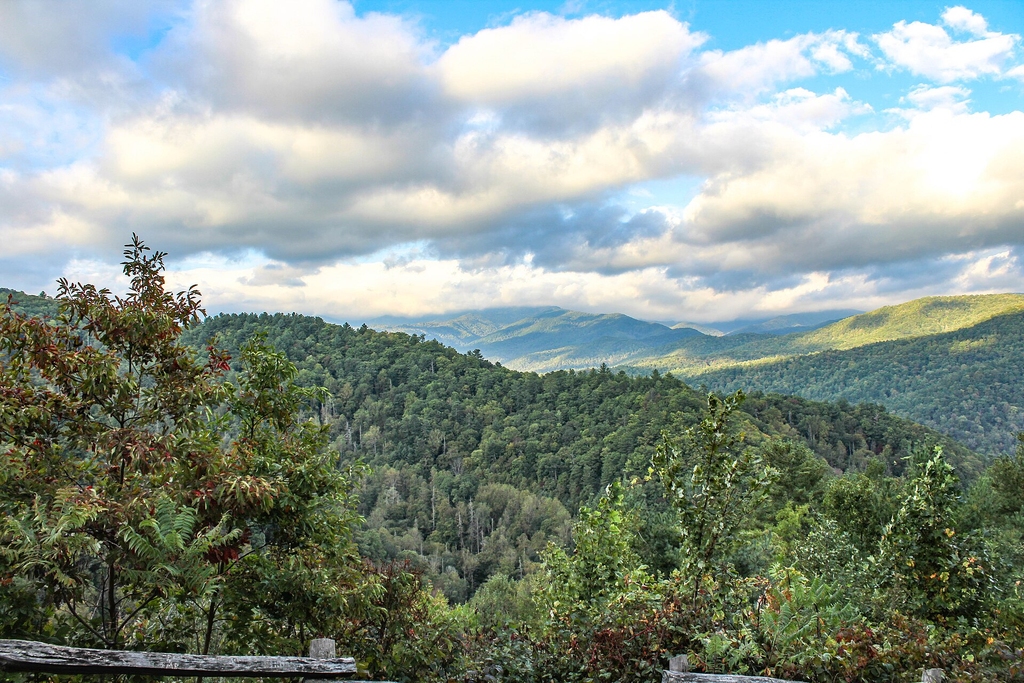
For one commenter, it wasn’t a trail or an overlook. The Smokies just make them feel wonderful, and you don’t need a hike to get that feeling.
Newfound Gap Road runs from Gatlinburg over the mountains toward Cherokee, North Carolina, with pull-offs where you can take in layers of ridges without walking far from the car. The Foothills Parkway overlooks do the same on a slower afternoon drive.
Kuwohi is the park’s highest peak at 6,643 feet, and its observation tower sits at the end of a paved trail only about half a mile each way. It’s steep, though, and that half mile feels a lot longer going up. Skip it and you’re not missing the Smokies.
For an easy walk in the woods, start at the Sugarlands Visitor Center near Gatlinburg for maps and trail conditions, then try the short, accessible Sugarlands Valley Nature Trail.
There’s no entrance fee, but vehicles parked more than 15 minutes need a parking tag. Pack a layer, too. The mountaintops can be much colder than Gatlinburg, and roads close in bad weather.
2. Gatlinburg
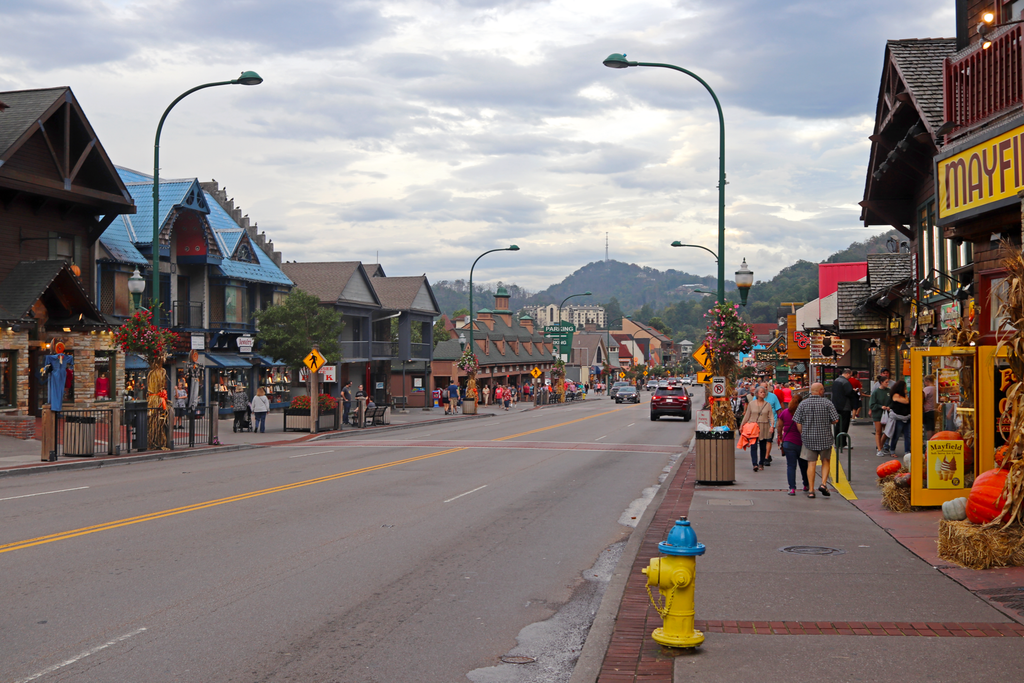
The people, the food, the cabins, and the one-of-a-kind shops: that’s what locals said keeps pulling them back to Gatlinburg.
Most of the action is along the Parkway, so park once and walk. Ripley’s Aquarium of the Smokies is a good rainy-day pick, and Gatlinburg SkyPark gives you mountaintop views and a pedestrian suspension bridge.
The part many visitors never find is the Great Smoky Arts & Crafts Community, a roughly eight-mile driving loop of independent shops and studios selling pottery, woodworking, paintings, and other handmade work. Give it its own afternoon instead of squeezing it in after downtown.
Gatlinburg gets crowded during fall foliage season, summer weekends, and holidays. Pick the few things you actually want to do and leave the rest for next time.
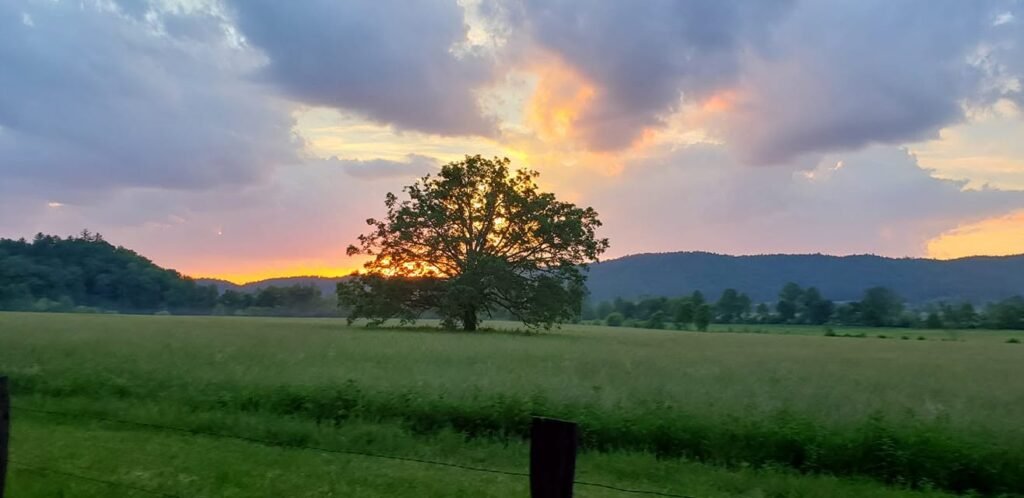
3. Cades Cove
The Cades Cove Loop Road is only 11 miles long. The National Park Service still recommends allowing two to four hours, sometimes more.
Traffic crawls whenever someone spots a deer or stops for a photo, and since the road is one-way, you can’t turn around once you’re in. Treat it as a half-day outing, not a stop between other plans.
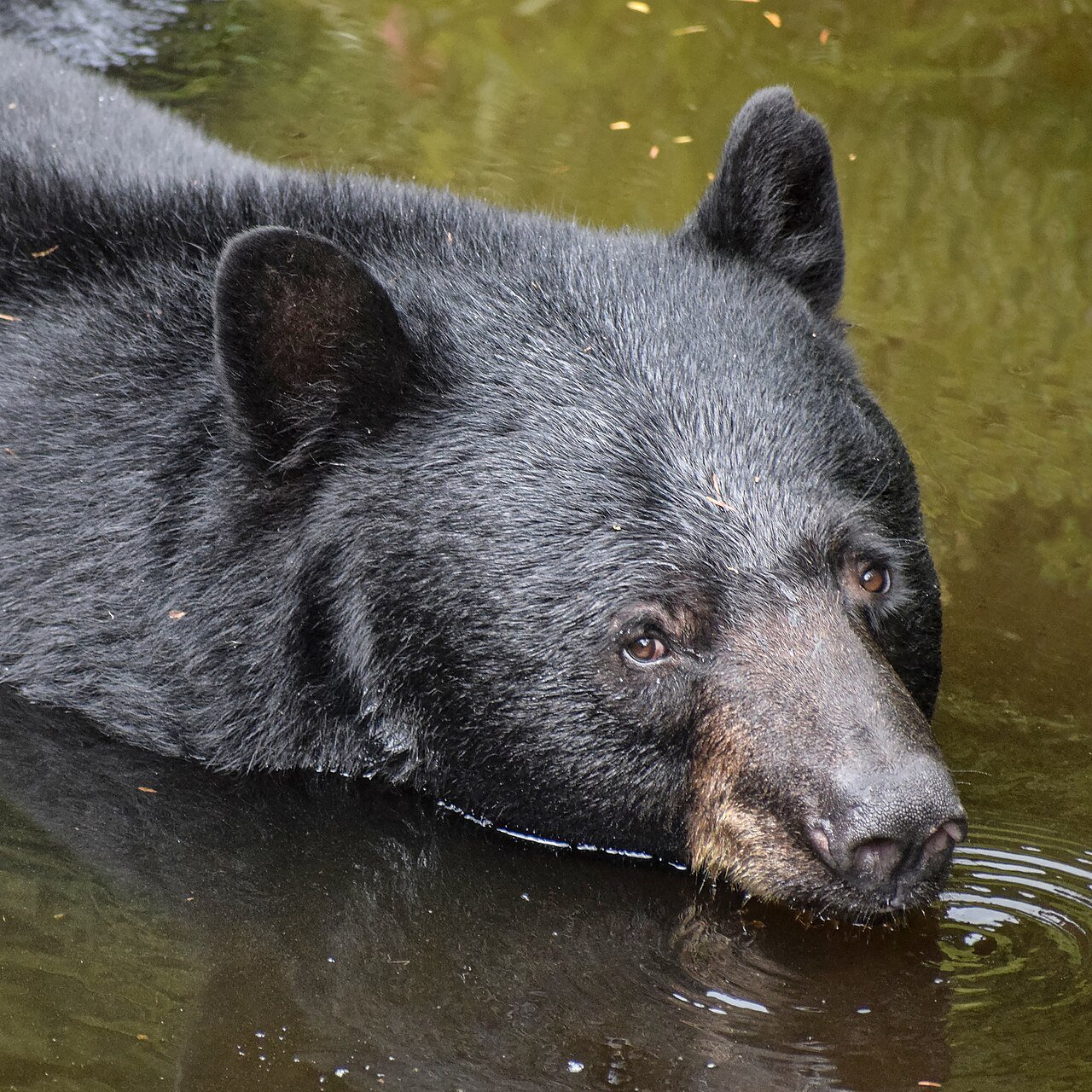
Several locals named Cades Cove alongside Townsend and Wears Valley, and it’s easy to see why. The broad valley inside the national park is ringed by forested ridges, with open fields where you might spot white-tailed deer, wild turkeys, and occasionally black bears. Keep your distance if you do, and read our guide to black bears in the Smoky Mountains before your visit.
The historic cabins and churches along the loop tell the story of the families who once farmed here. Expect uneven ground and steps at many of them.
On seasonal vehicle-free Wednesdays, the loop is open only to cyclists and pedestrians. Dates change by season, so check the schedule first.
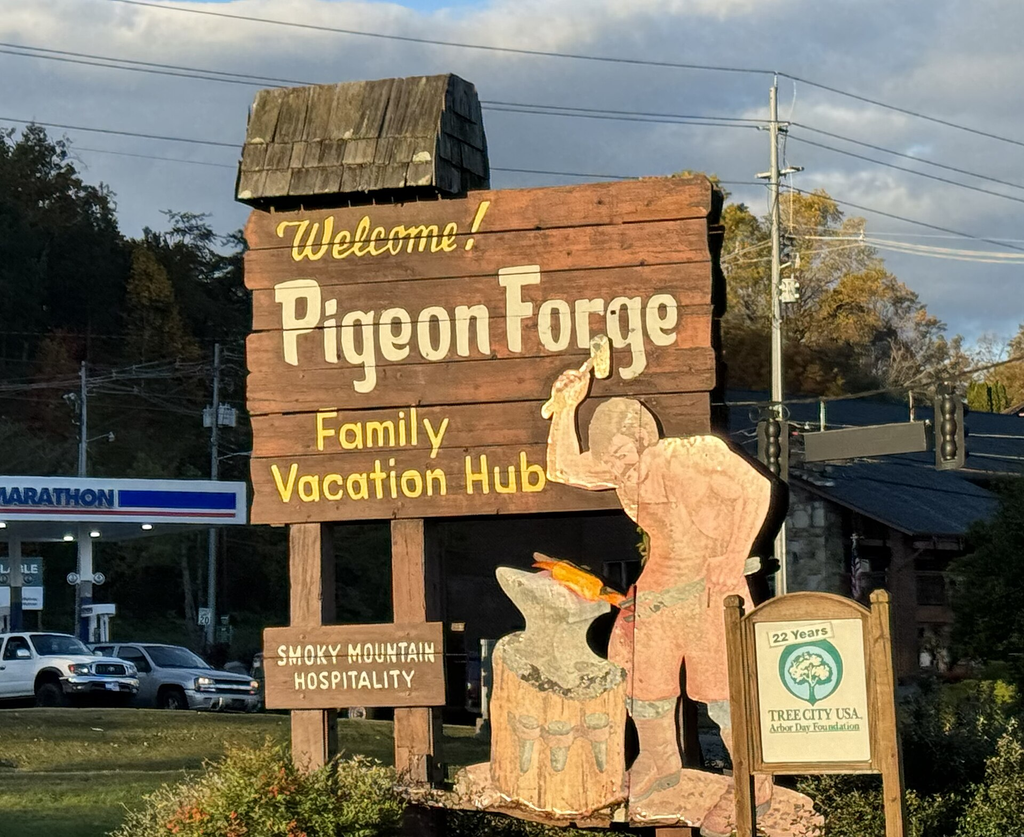
4. Pigeon Forge
One commenter didn’t bother narrowing it down: “Pigeon Forge (the whole city).”
Unlike Gatlinburg, Pigeon Forge stretches along a long, busy commercial strip, so plan to drive or use local transportation between stops.
Two of its best stops cost nothing to walk around. The Old Mill pairs a historic gristmill with restaurants and shops. At The Island, you can browse, eat, and watch the fountain show without buying a ticket, and pay only if you want a ride on the Great Smoky Mountain Wheel.
For indoor time, the Titanic Museum Attraction covers the ship and its passengers, and the town’s live shows and dinner theaters have been vacation traditions for years.
Paid attractions add up fast for a family. Pick one big one and fill the rest of the day with cheaper stops, and don’t feel like everyone has to do everything together.
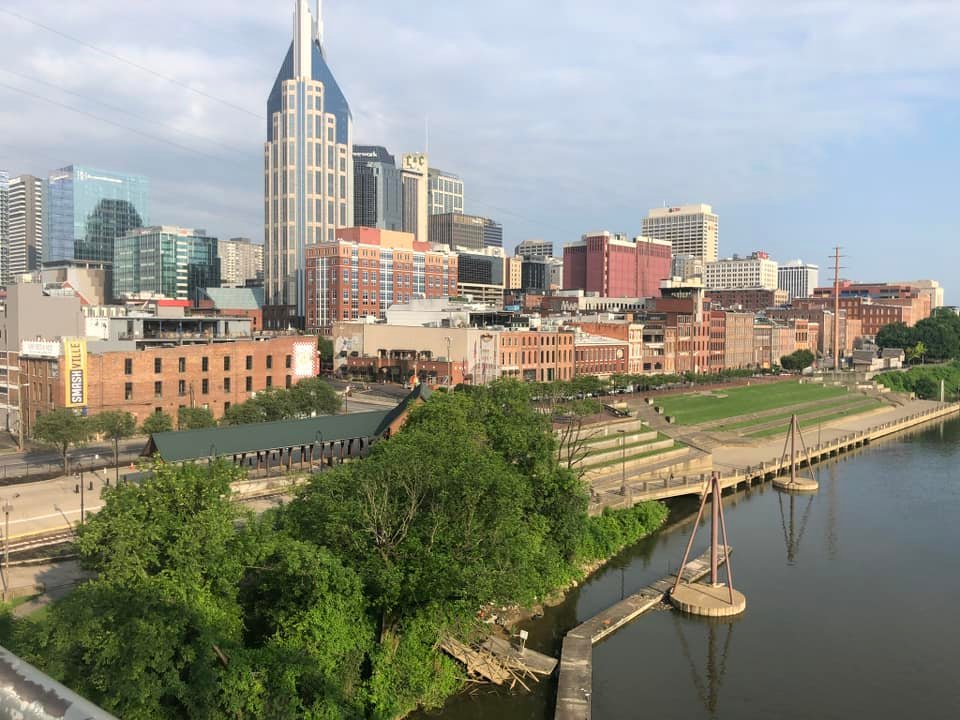
5. Nashville
Nashville has a full-scale replica of the Parthenon, and walking the park around it costs nothing.
It sits in Centennial Park, and only the museum inside charges admission. The Tennessee State Museum is free, too, and it’s next to Bicentennial Capitol Mall State Park and the Nashville Farmers’ Market, so you can park once and see all three. For a skyline view over the Cumberland River, walk the John Seigenthaler Pedestrian Bridge.
For music history, the Ryman Auditorium was home to the Grand Ole Opry from 1943 until 1974 and still hosts shows and tours. The Country Music Hall of Fame and Museum covers the people, recordings, and instruments behind the sound. One local’s favorite getaway was simpler: Nashville’s food and Gaylord Opryland.
If food is part of your itinerary, our guide to Tennessee’s most unique dining destinations includes Nashville favorites Loveless Cafe and Monell’s.
The city is more spread out than it looks on a map, and downtown parking is expensive. Pick one area and enjoy it instead of crossing town three times.
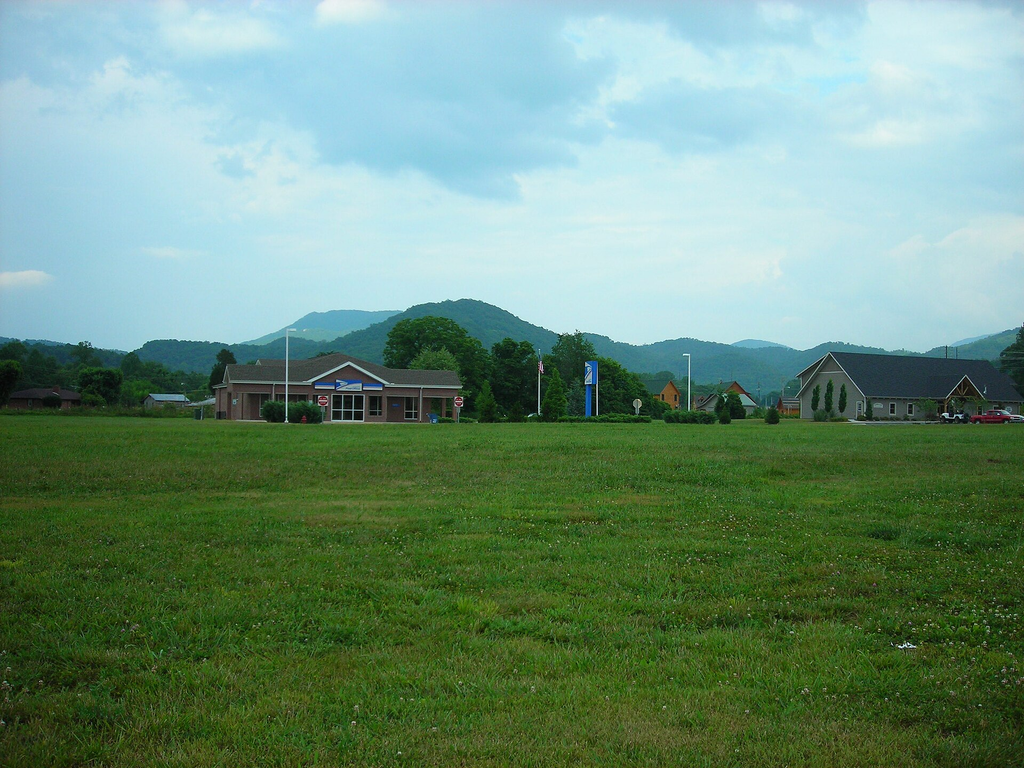
6. Townsend
If your plans center on Cades Cove, book your cabin in Townsend, not Gatlinburg. A beautiful rental isn’t much of a deal if you spend hours driving back and forth.
Townsend sits on the western edge of the national park and calls itself the “Peaceful Side of the Smokies.” Locals often mentioned it in the same breath as Cades Cove, and it’s also close to Tremont and the rest of the park’s west side.
The Little River runs through town, and tubing is popular in warmer months when water levels cooperate. On land, the Little River Railroad and Lumber Company Museum tells the story of the railroad and logging operations that shaped the town, and the Great Smoky Mountains Heritage Center covers Appalachian and Native American history.
It’s quieter, not empty. Fall foliage weekends still bring traffic.
Townsend also topped our list of Tennessee locals’ favorite small towns, alongside places like Jonesborough, Bell Buckle, and Tellico Plains.
7. Chattanooga
“To my hometown, Chattanooga.” For one local, that was the whole answer.
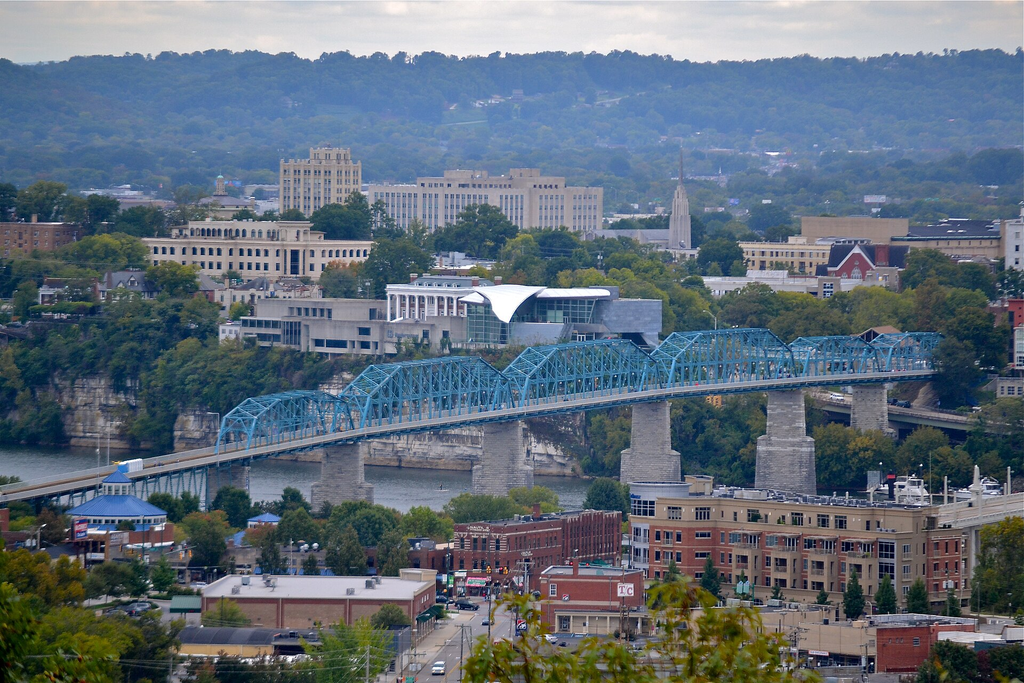
For everyone else, the best first visit fits in a single walkable stretch of riverfront. Start at the Tennessee Aquarium, whose River Journey and Ocean Journey buildings make a good escape from summer heat or rain. Then cross the historic Walnut Street Bridge on foot to the North Shore, where Coolidge Park has open lawns, river views, and a historic carousel. Most of that day costs nothing past the aquarium ticket.
Save Lookout Mountain for a second day. Point Park, Ruby Falls, and Rock City are worth the trip, but they don’t fit between the aquarium and lunch.
Ruby Falls and Lookout Mountain also made our list of Tennessee’s most beautiful places, if you need another reason to stay an extra day.
8. Fall Creek Falls State Park
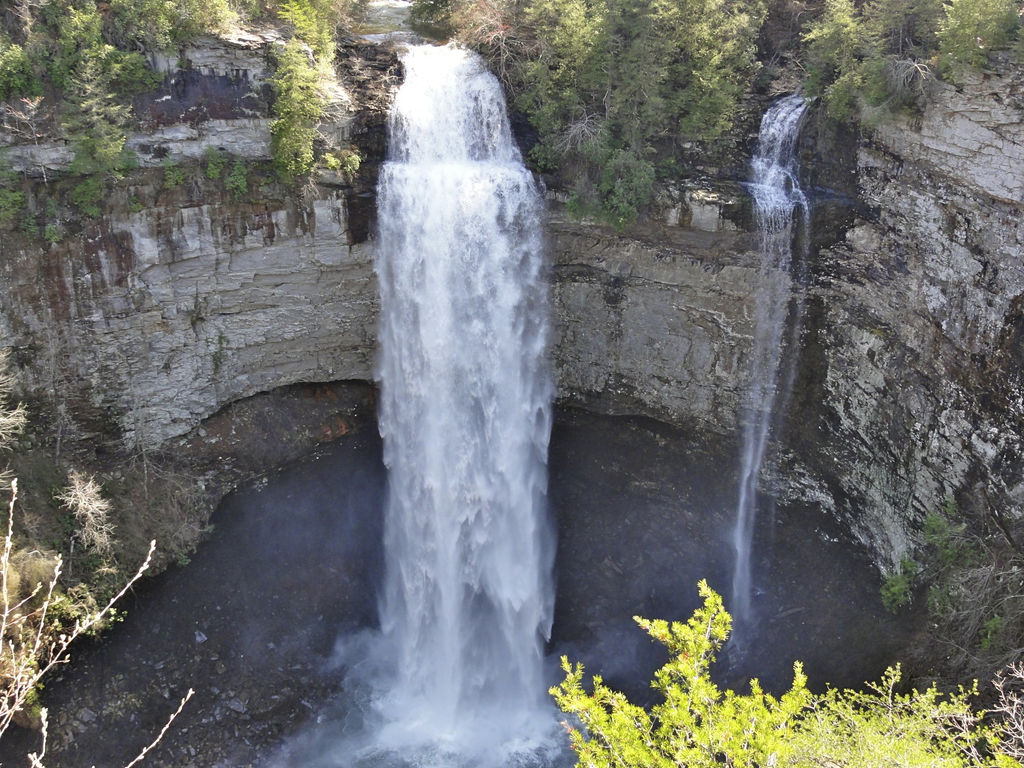
Fall Creek Falls drops about 256 feet, making it one of the tallest waterfalls in the eastern United States. You can see it from the upper overlook without hiking down into the gorge.
That matters if you’re bringing young kids, older relatives, or anyone who isn’t comfortable on rocky ground. The trail to the base is steep and uneven, and the climb back out is the hard part.
The park sits on the Cumberland Plateau near Spencer, and the namesake falls are only the start. Cane Creek Falls, smaller cascades, gorge overlooks, woodland trails, and a lake can easily fill a full day. General admission is free, though lodging and some activities cost extra.
The falls look very different after heavy rain than during a dry spell, and trail access can change, so check conditions before making a special trip.
For more waterfall stops and outdoor outings, explore these Tennessee parks recommended by locals, including Burgess Falls and Rock Island.

9. Memphis
Elvis Presley, Johnny Cash, and Jerry Lee Lewis all have ties to one small Memphis recording studio. Sun Studio is the place to start a music day here.
The Stax Museum of American Soul Music picks up the soul side of the story, and Beale Street carries the blues with live music and restaurants.
The stop that needs the most time is the National Civil Rights Museum, built at the Lorraine Motel, where Dr. Martin Luther King Jr. was assassinated. Don’t try to rush it between other plans.
Afterward, Tom Lee Park offers open space and Mississippi River views, and dinner can be the city’s famous barbecue.
Memphis attractions are spread out, so trying to hit every landmark in one afternoon means more time in the car than anywhere else. Pick a few and give them room.
10. Dollywood and Neyland Stadium
The last spot ended in a tie between Dolly Parton’s theme park and the home of Tennessee football.
One local’s favorite way to do Dollywood is in the off-season, with a stay at the park’s DreamMore Resort when the pace slows down.
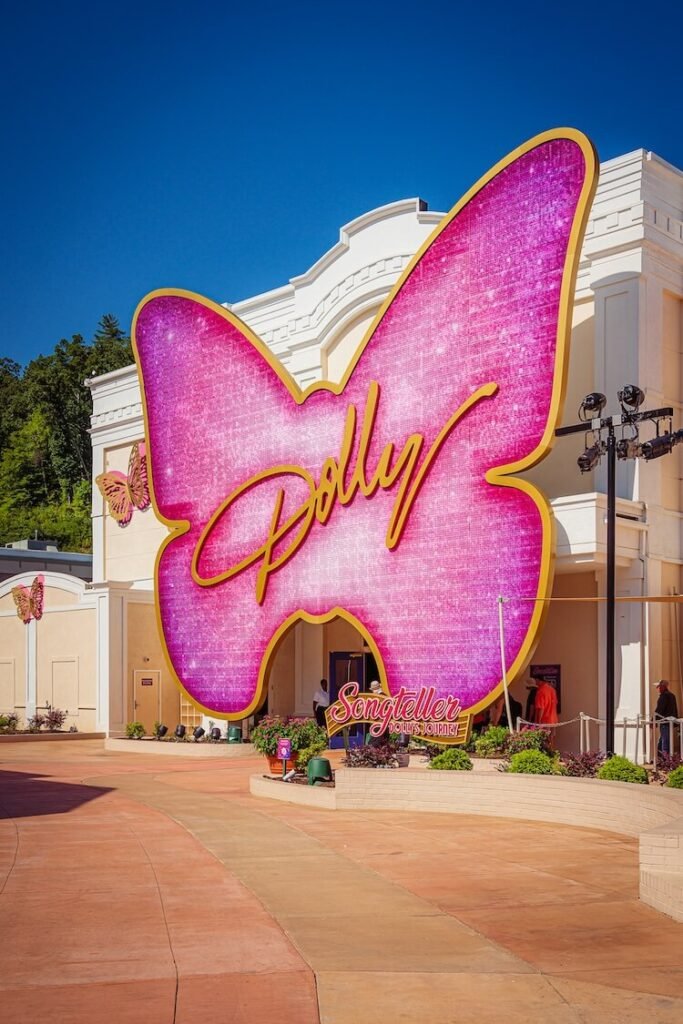
In Pigeon Forge, Dollywood mixes thrill rides like Big Bear Mountain and Wild Eagle with live shows, traditional craft demonstrations, seasonal festivals, and the Dolly Parton Experience, which covers her life and career. If coasters aren’t your thing, pick a few performances in advance and build the day around them.
Check the operating calendar before buying tickets, since prices vary and parking and extras add to the cost. The park is hilly, so wear comfortable shoes.

Neyland Stadium
Some Vols fans don’t drive to Neyland Stadium. They arrive by boat. The Vol Navy gathers on the Tennessee River beside the stadium on football weekends.
The stadium has been part of University of Tennessee football since 1921, and game days bring the Pride of the Southland Band, the Vol Walk, and a sea of orange.
No game ticket? The university offers official stadium tours on selected weekdays. Reservations are required, and availability can change around university events or construction. On game days, plan ahead for tickets, parking, crowds, and long walks across campus.
Sometimes, the Best Place Really Is Home
One commenter watches the sunrise from the back porch and the sunset from the front porch, with a wide view of the mountains from both. Another said they’re perfectly happy right where they live in Pall Mall, Tennessee, surrounded by scenery they already love.
No tickets, no traffic, and no parking tag required.


3 thoughts on “10 of Tennessee’s Favorite Places to Visit, According to Locals”