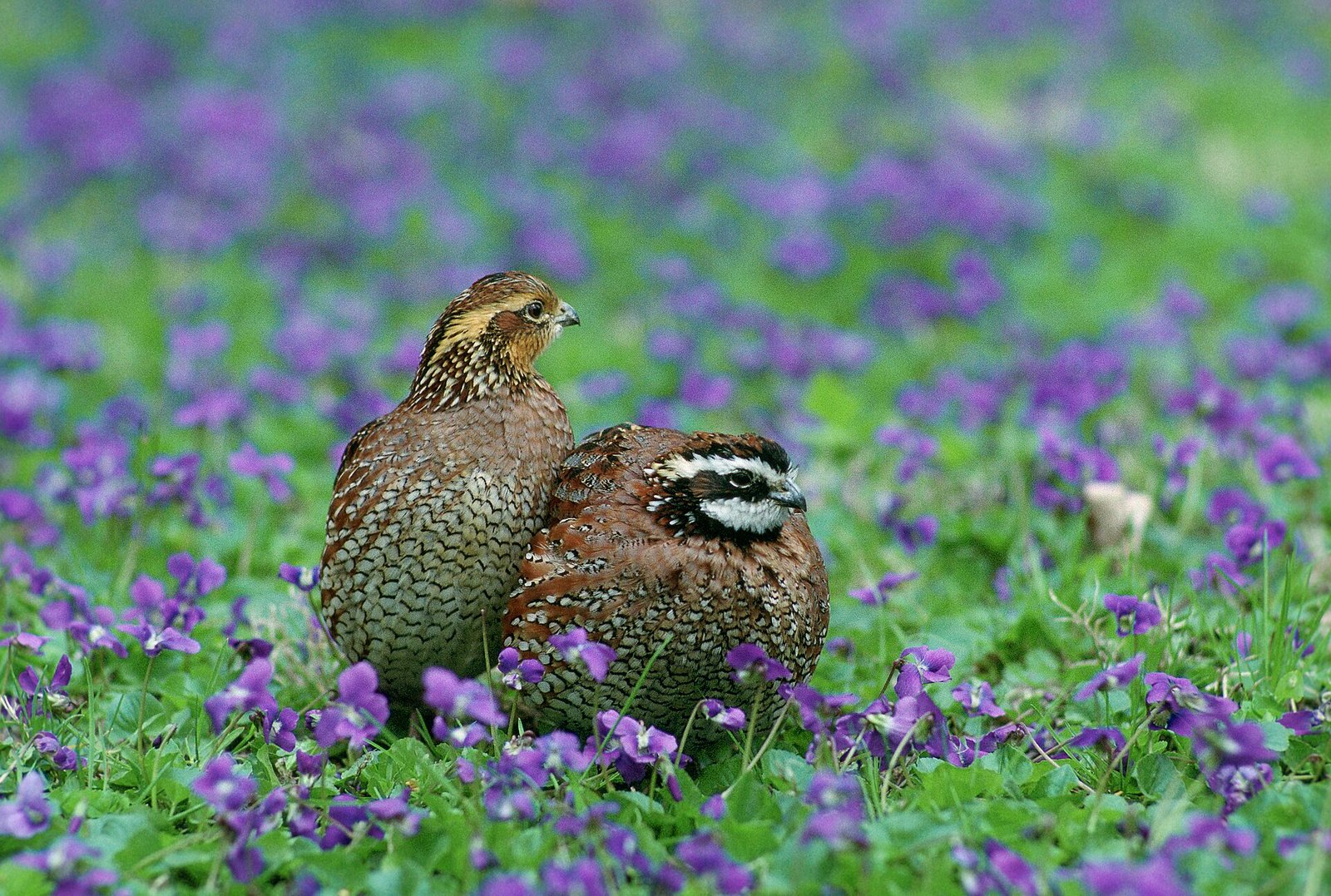

Multiple coveys of wild bobwhite quail have been sighted at the University of Tennessee’s Ames AgResearch and Education Center in Grand Junction, the Hardeman County property east of Memphis that many Tennesseans know as Ames Plantation. UT announced the sightings October 12.
It’s an early, encouraging sign at a place where wild quail have become scarce. It isn’t proof of a comeback yet.
Why wild quail at Ames stand out
Tennessee’s bobwhite population has fallen nearly 90 percent since the 1950s. Ames feels that decline more than most places. It has hosted the National Championship for Bird Dogs since 1915, but in recent years the event has relied on pen-raised quail because there weren’t enough wild birds.
“Bobwhite quail are Tennessee’s official state game bird and an enduring part of our state’s natural and cultural heritage,” said Matt Backus, the center’s director.
UT didn’t say how many birds were seen, only that there were multiple coveys. A covey usually holds somewhere between 10 and 30 quail, depending on the season. The announcement also doesn’t establish whether the local population is growing.
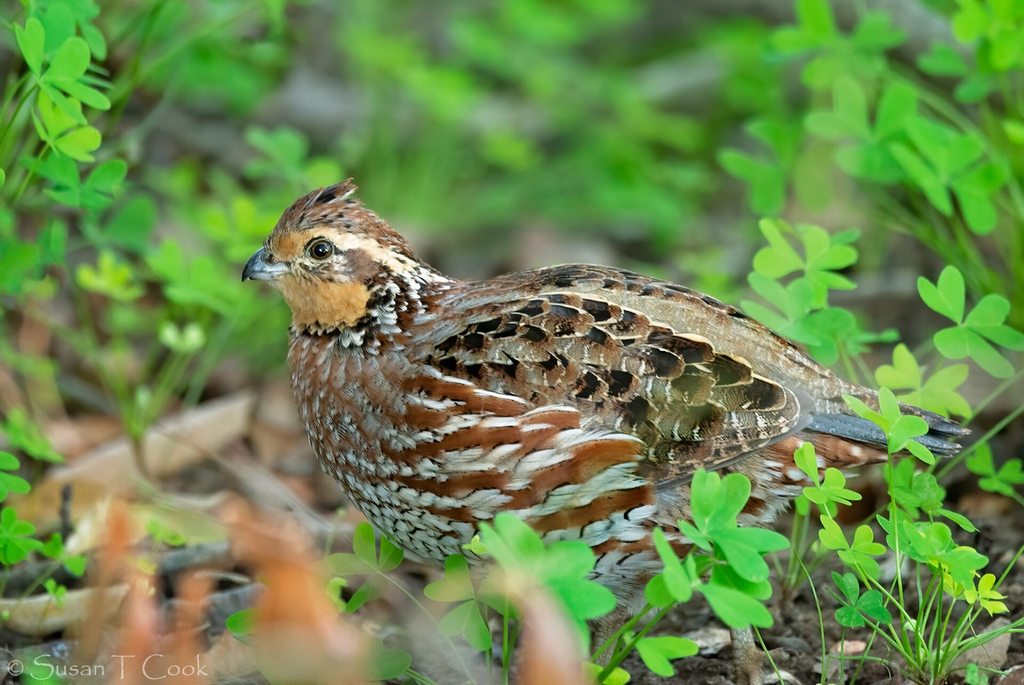
Still, the sighting matters for a specific reason. According to Tall Timbers, the nonprofit partnering on the project, so few pockets of wild bobwhites remain that birds rarely recolonize restored land on their own. Wild coveys turning up on ground being restored for them is a promising sign that there are birds to build on.
What the restoration involves
The project, a partnership between UT AgResearch and Tall Timbers, began in 2025 and aims to restore quail habitat across more than 5,000 acres of field trial grounds. About 1,500 acres have been treated so far, a little under a third of the total.
Much of the work involves removing trees. Bobwhites need open ground with grasses, low plants and cover, which dense forest canopy doesn’t provide. Crews are thinning trees, mulching overgrowth and using prescribed burns to open the land up. Because quail are considered an umbrella species, that habitat should also help other wildlife that needs similar conditions.
Releasing pen-raised birds isn’t the answer. Tall Timbers’ Alex Jackson said in UT’s announcement that pen-raised quail can’t be expected to establish a lasting wild population. Instead, the project plans a multiyear translocation effort, moving wild quail from elsewhere to boost numbers where too few birds remain to take advantage of the new habitat.
Once the initial work is done, ongoing management will include burning about half the field trial courses each year, controlling invasive plants, providing supplemental winter food and managing predators during the summer nesting season.
What comes next
There’s no firm completion date. UT says progress will depend on weather, timber markets and project costs.
The center is also meant to become a place where Tennessee landowners and conservation groups can learn how to manage land for quail. Field days have already been held, with more planned. For landowners hoping to see bobwhites on their own property, that may be the most useful part of the project to follow.