
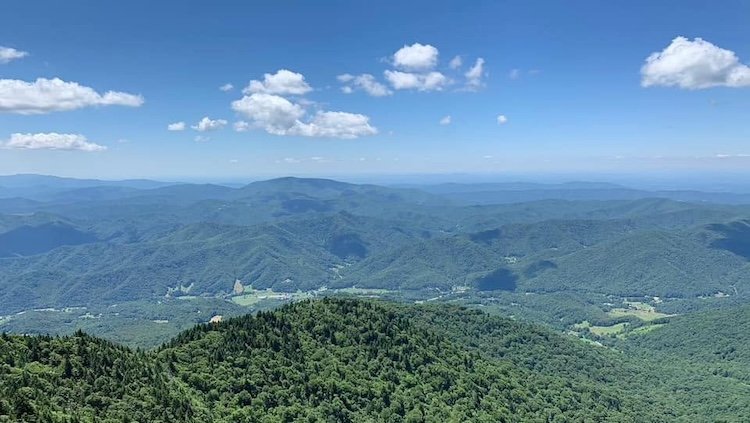

Ask a room full of Tennesseans to name the single most beautiful place in our state, and you will get a dozen different answers before anyone takes a breath.
I asked that exact question to locals on Facebook recently: “What’s the most beautiful place in Tennessee?”
Hundreds of responses poured in from every corner of the state, from Memphis all the way to Mountain City. A good number of folks jokingly refused to name their spot because they did not want more crowds ruining the view. Dozens more insisted that the prettiest sight in Tennessee is simply their own front porch on a quiet morning with a cup of coffee.
You cannot really argue with that. But when it came to classic places that showcase the state’s natural scenery and heritage, a clear favorite rose to the top of the conversation right away.
Anthony Heflin | Dreamstime.com
1. Cades Cove (Great Smoky Mountains National Park)
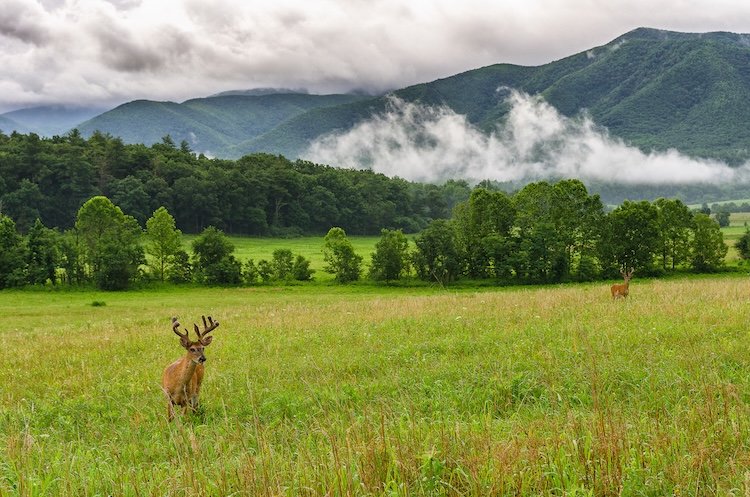
Of all the places mentioned, Cades Cove took the top spot by a wide margin. Tucked into Blount County about 27 miles southwest of Gatlinburg, this wide valley offers a quiet look at early Appalachian life framed by high mountain ridges.
Cherokee hunters originally used the fertile cove as seasonal hunting grounds, with the valley eventually taking its name from a local Cherokee leader known as Chief Kade. In 1818, John and Lucretia Oliver became the first permanent homesteaders, anchoring a tight-knit farming community that worked the land until the national park was established in the 1930s.
What makes the cove so enduring is that you can experience the scenery at a relaxed, comfortable pace. An 11-mile, one-way loop road winds gently through the valley floor, taking you past historic log homesteads, three preserved 19th-century churches, and the working John Cable Mill. If you want to get out and stretch your legs, most of the historic structures have short, relatively flat walking paths directly from the roadside pull-offs.
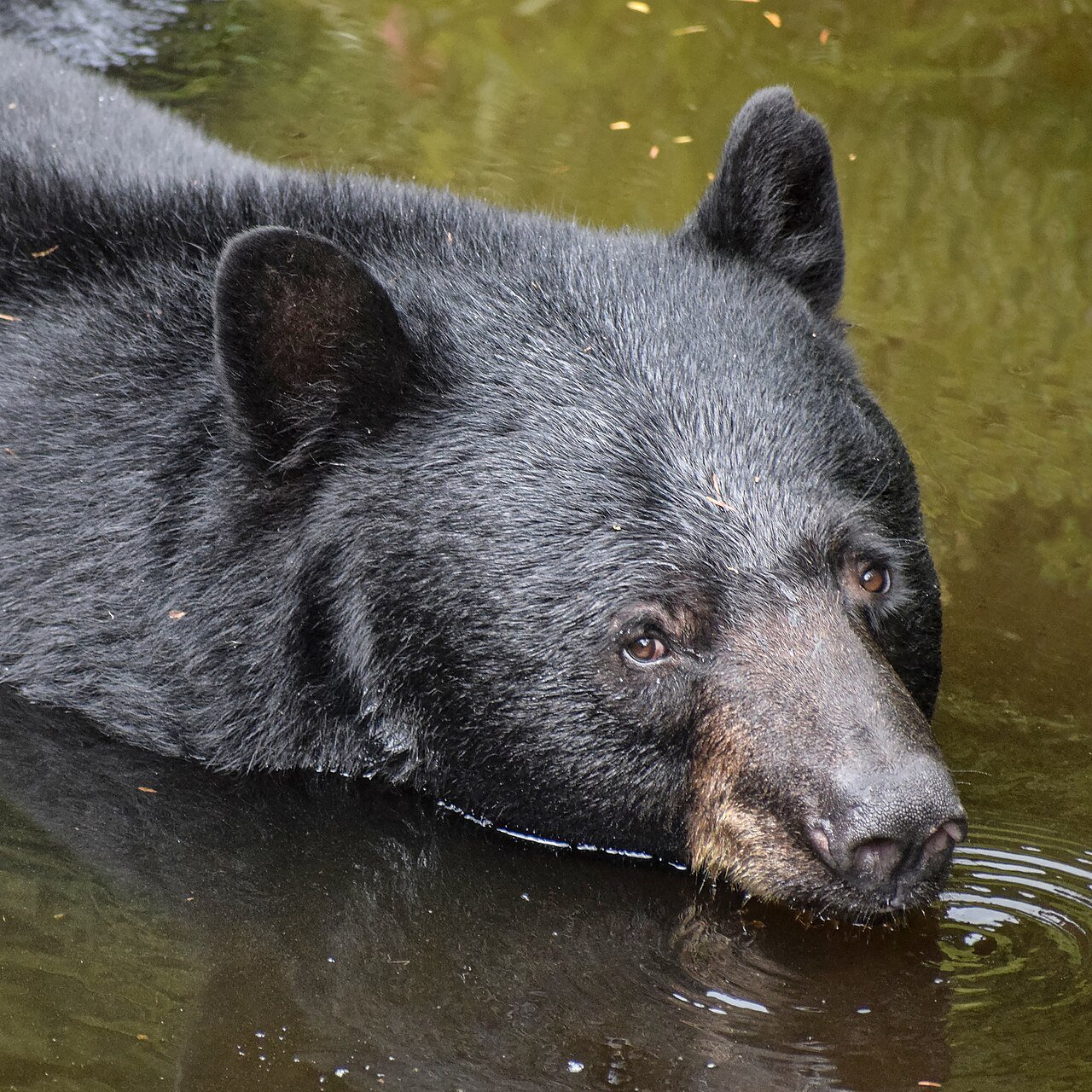
It is also one of the best drives in the South for spotting wildlife right from your vehicle. White-tailed deer and wild turkeys are fixtures in the open meadows, and seeing black bears foraging along the tree lines is common throughout the warmer months.
Before your drive, read our guide to black bears in the Smoky Mountains, including how far back to stay and why keeping food secured matters.
Because the loop road is a single lane, traffic can move at a dead crawl during peak summer afternoons and October leaf season. Pack a picnic, take your time, and keep in mind that the loop is completely closed to motor vehicles every Wednesday from May through September to give walkers and cyclists full run of the road. Cell phone service is virtually nonexistent in the cove, so make sure you have any maps or plans set before you drive down into the valley.
2. Fall Creek Falls State Park
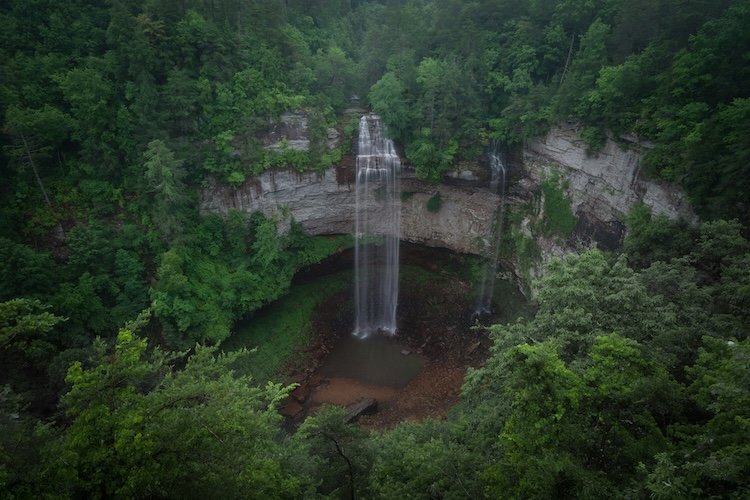
If you head up onto the Cumberland Plateau between Spencer and Pikeville, the landscape shifts from rolling pastures to rugged gorges. Covering over 29,000 acres across Van Buren and Bledsoe counties, Fall Creek Falls is Tennessee’s largest and most visited state park, and it is easy to understand why locals bring out-of-town guests here first.
The centerpiece is the namesake waterfall, which plunges 256 feet straight down into a shaded gorge pool. It is one of the highest free-fall waterfalls in the eastern United States, but it is far from the only one in the park. Cane Creek Falls, Cane Creek Cascades, and Piney Falls are all within a short drive of one another, each offering a completely different angle on the plateau’s limestone shelves.
During the Great Depression, crews from the Civilian Conservation Corps (CCC) and the WPA built much of the park’s early infrastructure, hand-crafting stone bridges and woodland trails that are still in use today.
What makes the park especially welcoming is how easy it is to enjoy without tackling a grueling backcountry hike. The main Fall Creek Falls overlook sits just a short, flat, paved walk from the parking area, giving you an unobstructed view of the gorge with minimal effort.
For those who want to stay overnight without pitching a tent, the park opened a modern 85-room lodge in 2021 that sits right along the water on Lake Fall Creek Falls, featuring full hotel accommodations, an on-site restaurant, and 30 lakeside cabins.
For more waterfall stops and lakeside outings, explore these Tennessee parks recommended by locals, including Burgess Falls and Rock Island.
3. Roan Mountain State Park & The High Balds
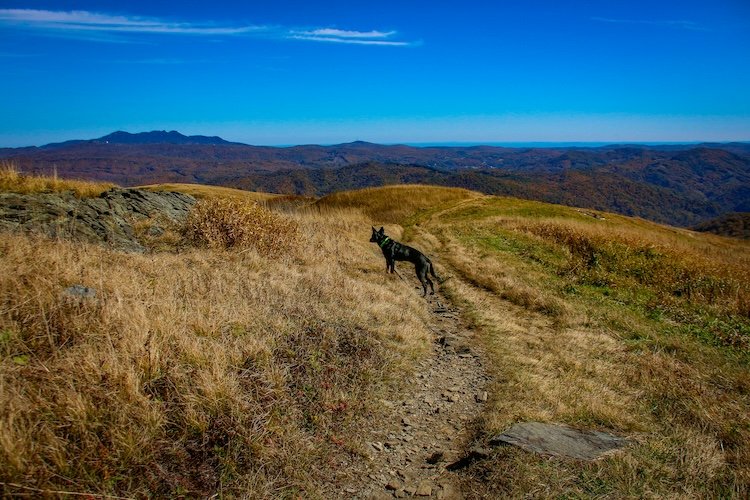
Tucked away in Carter County near the North Carolina line, Roan Mountain offers a type of scenery you simply will not find anywhere else in Tennessee. While most mountain peaks in the state are covered in dense hardwood forests, the top of the Roan massif opens up into vast, grassy Appalachian balds that resemble high-altitude alpine meadows.
In the late 1800s, visitors traveled up the mountain by horse and carriage to stay at General John Wilder’s famous Cloudland Hotel at the summit. Today, Roan Mountain State Park preserves more than 2,000 acres along the foothills and the trout-filled Doe River, serving as the gateway to the high ridgelines above.
The real show happens along Carver’s Gap at the crest of the mountain. Walking the gentle ridgeline paths along the Appalachian Trail out across Round Bald and Jane Bald gives you wide-open, 360-degree views of rolling blue ridges stretching out in every direction.
If you time your visit for mid-to-late June, the mountain comes alive during the annual bloom of the Catawba Rhododendron Gardens—the largest naturally occurring natural rhododendron grove in the world. Dense patches of crimson and purple blossoms blanket the hillsides, drawing visitors from all over the region.
Because Carver’s Gap sits well above 5,500 feet in elevation, the weather is distinctly crisp. Summertime temperatures at the top are routinely 15 degrees cooler than the valleys below, so it pays to bring a light jacket even in July.
If you’re extending your East Tennessee trip, our guide to Tennessee locals’ favorite small towns includes Jonesborough and Erwin.
Florentino David | Dreamstime.com
4. Ruby Falls & Lookout Mountain
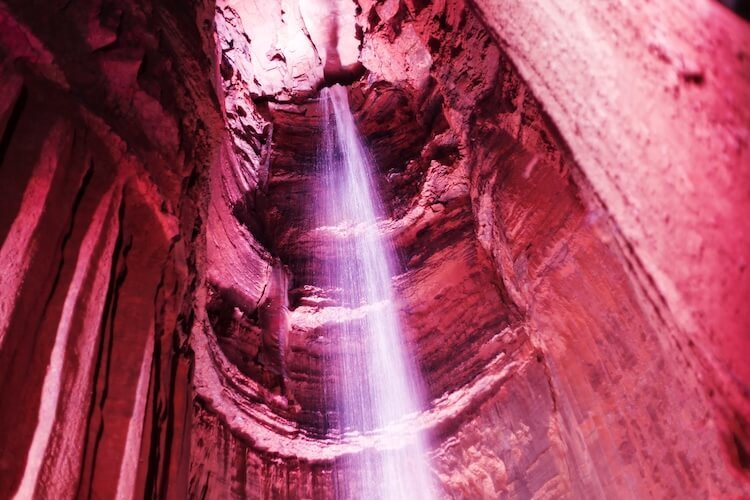
Most of Tennessee’s famous views require looking up at high ridges or out across river valleys, but one of the state’s most distinctive natural landmarks sits hundreds of feet below the surface of Lookout Mountain in Chattanooga.
The cavern was discovered by accident in 1928 by local cave enthusiast Leo Lambert while drilling an elevator shaft. He named the 145-foot subterranean waterfall after his wife, Ruby, and by 1930, the cave opened to the public through its historic stone castle entrance. Today, it remains the tallest and deepest underground waterfall open to visitors in the United States.
Stepping into the cavern feels like entering another world. The guided walk covers roughly four-tenths of a mile past ancient stalactites and limestone formations before opening into the high-ceilinged cavern room where the falls plunge into a pool below. Because it is deep underground, the cave stays at a steady 60 degrees year-round, making it a reliable escape from humid summer afternoons.
Before you go, there are two practical details to keep in mind. Because of narrow rock passages and natural stone steps along the route, the cave trail is not wheelchair accessible. It is also one of the area’s busiest destinations, so you will need to purchase timed-entry tickets online in advance, as walk-up admission is rarely available.
Once you come back up to the surface, head over to the Blue Heron Overlook on the grounds for a wide-open panorama of the Tennessee River Valley.
For more to do while you’re in Chattanooga, the city’s section in our guide to Tennessee locals’ favorite places to visit covers the aquarium, riverfront, and North Shore.
The Local Verdict
When you look across the hundreds of comments from locals, one truth becomes clear: narrowing Tennessee down to a single “most beautiful” spot is impossible.
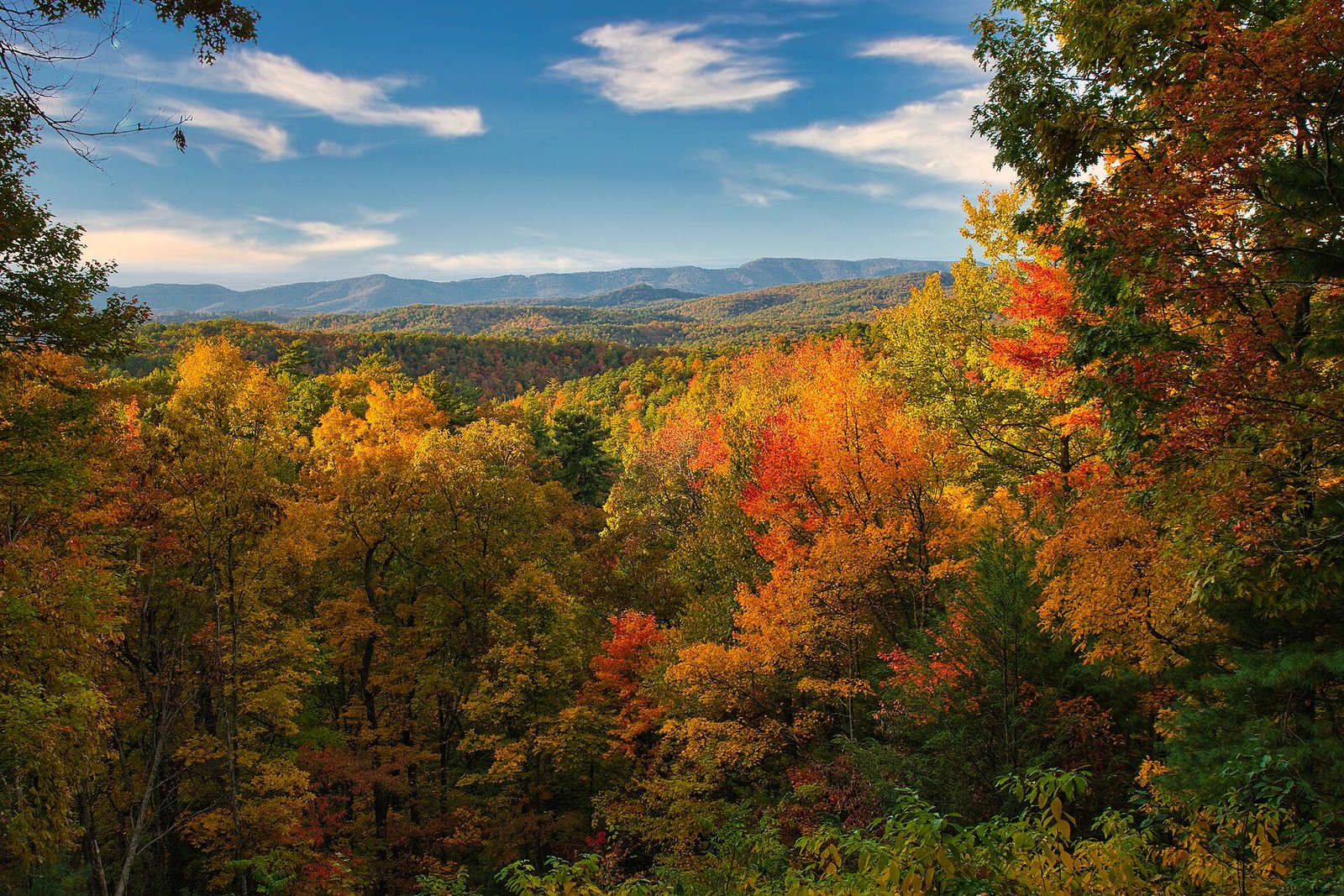
For some, nothing compares to watching the sunrise over the cypress knees at Reelfoot Lake out in West Tennessee. For others, it is the sweeping farmland and limestone bluffs of the Sequatchie Valley, or an autumn drive along the Cherohala Skyway.
For more places to explore, our guide to enjoying nature in Tennessee includes Reelfoot Lake, the Tellico area, and Big South Fork.
And as dozens of Tennesseans pointed out with a wink, the prettiest view in the entire state might just be the one waiting on your own front porch as the sun goes down over the ridge.



3 thoughts on “What’s the Most Beautiful Place in Tennessee?”