
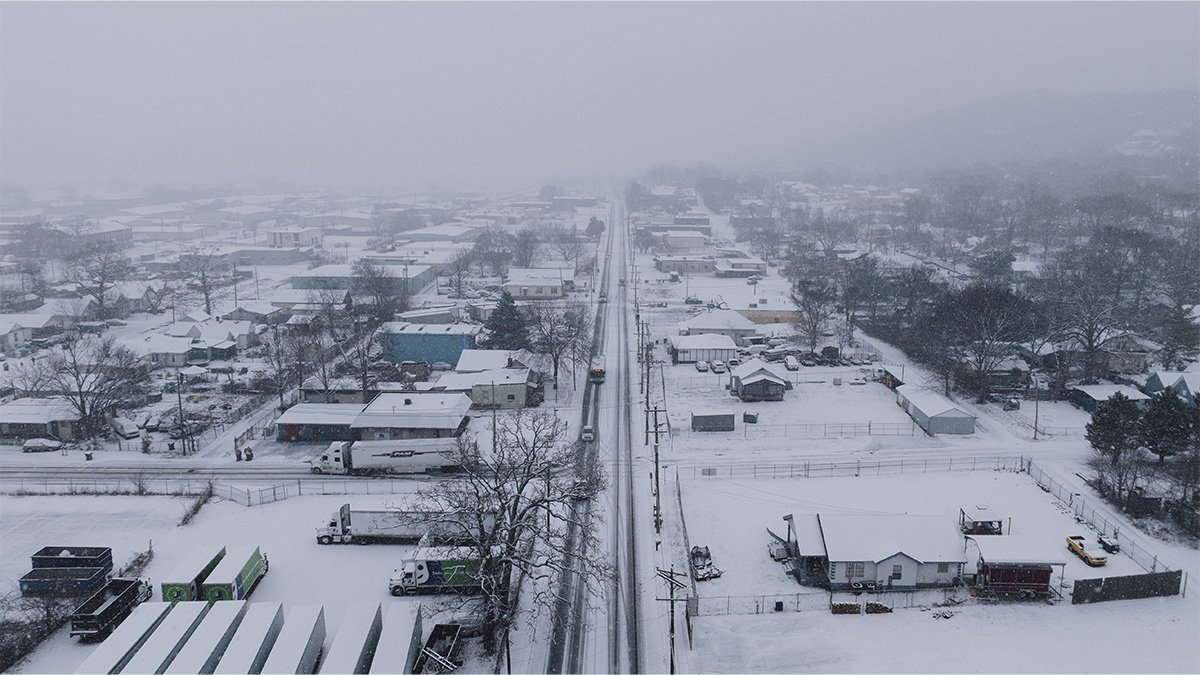

Waiting for the first freeze could be too late for some of the plants on your porch.
Tennessee’s highest elevations could see snowflakes Friday, November 13, with freezing mornings expected across Middle Tennessee over the weekend. But some tropical plants need protection below 50 degrees, well before frost becomes the concern.
That changes the preparation deadline. Before gathering sheets or moving every pot, identify which plants you want to keep and how much cold they can tolerate. Your summer containers and winter pansies may need very different treatment.
Where Snow Is Possible, and What Nashville Can Expect
WSMV meteorologist Dan Thomas forecasts possible flurries mixed with sprinkles at the highest Cumberland Plateau elevations Friday. East Tennessee’s mountains, including the Smokies, have a better chance of snow showers or light snow, particularly above 3,000 feet.
WSMV expects roads in those areas to remain wet. That is a forecast, so check conditions again before a mountain drive.
Around Nashville, Thomas’s updated forecast calls for a Friday high of 49 degrees. Weekend mornings are expected to fall into the upper 20s to low 30s, with sunny afternoons in the 50s.
The practical distinction is location: a mountain snow forecast and a Nashville freeze forecast describe different conditions. Our guide to Tennessee winter weather explains those regional differences for residents and visitors.
Start With the Plant, Then Choose the Protection
The Tennessee Master Gardener manual identifies coleus and sweet potato vines as tender foliage plants commonly grown as annuals. It also advises protecting most tropical plants once temperatures fall below 50 degrees.
For a tropical plant with that requirement, Friday evening may already be too late. Nashville’s forecast includes lows below 50 before the weekend. Check the plant’s needs against those earlier nights, too.
Pansies are a different case. UT Gardens’ November guidance lists pansies, violas, ornamental cabbage and kale among winter annuals that can still be planted in Tennessee. They should not automatically go into the same protection plan as a tropical houseplant.
Use this as a starting point, then check the particular plant:
| What is outside? | Your first decision |
|---|---|
| A tropical plant you want to overwinter | Find its minimum temperature requirement and move it before the forecast falls below that threshold. |
| Coleus or sweet potato vine in a summer container | Decide whether you want to preserve it. If so, check its overwintering needs before the cold arrives. |
| Pansies, violas, ornamental cabbage or kale | Check variety, establishment and cold tolerance before deciding whether protection is needed. |
| An unidentified plant | Identify it from its label or seek help from a nursery before choosing a protection method. |
If indoor space is limited, prioritize plants that need warmer conditions and that you intend to keep. A blanket over every container is less useful than knowing which plants need to come inside.
A Frost Cover Has a Limited Job
A sheet can help reduce overnight heat loss. It cannot make a tender plant reliably safe through a prolonged freeze.
NC State Extension recommends draping frost cloth or a sheet down to the ground, rather than wrapping only the foliage. The covering helps retain heat from the soil. Put it in place before sunset.
Use cloth rather than plastic for overnight frost protection. University of California IPM cautions that covering alone offers little help during freezing conditions.
For a movable tropical pot, bringing it into a location that meets its temperature and light needs is the more dependable choice. Reserve the cover for limited protection where appropriate, with realistic expectations about the plant’s tolerance.
Also, do not treat 32 degrees as the only number that matters. The National Weather Service explains that frost can form on clear, calm nights with air temperatures in the mid-30s. A low of 35 is not an automatic all-clear.
Plan for Both Cold Nights
For plants needing protection from Saturday morning’s freeze, finish before sunset Friday. Move sooner if their temperature requirements call for it.
- Before Friday: Identify tender plants, choose which to preserve and clear suitable indoor space.
- Friday before sunset: Move remaining tender pots that need indoor protection and cover appropriate outdoor plants.
- Saturday daytime: Remove frost covers. Check Saturday night’s forecast before deciding what can stay outside.
- Saturday before sunset: Replace covers where needed for Sunday morning’s cold.
The afternoon warmup does not erase the next overnight low. Taking a sheet off during the day and returning a tropical pot outdoors are separate decisions.
If foliage looks damaged afterward, avoid immediately cutting everything back. UC IPM recommends waiting until the extent of cold injury is clear, generally after new growth begins in spring or summer, except where damaged limbs pose a hazard.
My Take
The mistake I see most often isn’t forgetting to cover plants. It’s waiting for the word “freeze” in the forecast. By then, a tropical plant that needs 50 degrees has already had a few cold nights. Pick the plants you actually want to keep, bring those in early, and let the pansies handle the cold. They’re built for it.
Before you head to bed Friday, enter your ZIP code at weather.gov and compare each overnight low with what your plants can handle. That gives you a real deadline, even if you never see a snowflake.
More from Real Tennessee Life…

Giordano’s Picks Pigeon Forge for Its First Tennessee Restaurant. Here’s Why the Parkway Won

Tennessee Returned a Record 169,303 Unclaimed Property Claims. So Why Did the Checks Get Smaller?