
You can spend hundreds of dollars planning a Tennessee vacation and still get a few small things wrong.
Talking through a songwriter’s performance in Nashville. Bringing your dog onto the wrong trail in the Smokies. Pulling into someone’s driveway to photograph a beautiful old barn.
None of these mistakes requires bad intentions. But they can interrupt someone else’s day—or leave you dealing with an awkward situation you never expected.
Tennessee isn’t one place with one set of unwritten rules. What works in a lively Memphis music club might be frowned upon in a quiet Nashville listening room.
Here are a few things worth knowing before you arrive.
1. Not Every Tennessee Music Venue Wants You to Sing Along
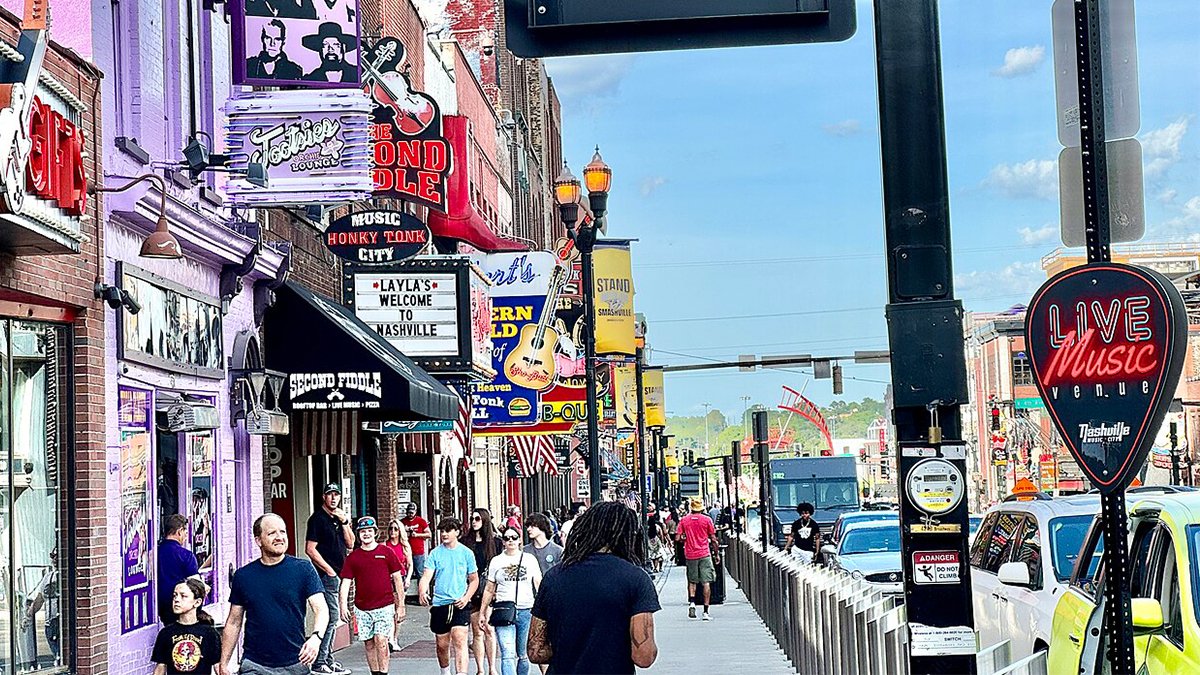
Before settling in for live music, look around. Are people there to hear the stories behind the songs, dance with friends, or watch a theater performance?
The answer changes how you should behave.
At Nashville’s Bluebird Cafe, listening is central to the experience. Food and drinks are served, but conversation should be kept to a minimum during performances.
It’s a small room. Even a quiet conversation can compete with the lyrics or a songwriter explaining how a song came together.
Save your catch-up for before the show or between sets.
That doesn’t mean sitting silently through every moment. Applause and laughter are welcome, and if a performer invites the audience to sing along, join in.
At B.B. King’s Blues Club in Memphis, the atmosphere is different. Live blues, soul, and other music encourage a livelier night out. Dancing may be part of the experience, provided you leave pathways clear for staff and other guests.
The Orpheum Theatre, also in Memphis, calls for another approach. Texting, photography, and recording are prohibited during performances unless the artist or production explicitly permits them.
If you arrive late, follow the usher’s directions. Some productions delay late seating until an appropriate break. Guests may be able to follow the performance from the lobby while waiting.
Photography deserves special attention.
The Bluebird allows still photographs unless the artist requests otherwise, but prohibits audio and video recording. Permission to take a picture doesn’t automatically mean you can film the next song.
Where musicians invite tips or song requests, use their stated method and choose an appropriate moment. A request doesn’t guarantee a performance, and tipping the bartender is separate from supporting the band.
The useful rule: Check the specific show’s instructions. A listening room, a dance club, and a theater can have very different expectations—even within the same city.
2. At Some Tennessee Restaurants, You’re Sharing the Table
Imagine arriving for dinner and discovering you’re sitting beside people you’ve never met.
At some Tennessee restaurants, that’s exactly how the meal is supposed to work.
Monell’s in Nashville serves family-style meals at shared tables. Instead of ordering individual entrées, guests enjoy dishes passed around the table.
The restaurant’s tradition is to pass bowls to the left.
Take a portion, pass the dish along, and make room for the next bowl. You can introduce yourself to your neighbors without feeling obliged to carry on a conversation throughout dinner.
If you’d rather have a private table or order individual dishes, knowing the format beforehand can help you choose a different restaurant.
For more memorable meals across the state, see our guide to Tennessee’s most unique dining destinations, recommended by locals.
At Arnold’s Country Kitchen in Nashville, the meat-and-three tradition works differently.
You select your food from a steam-table lineup. Take a look at the available meats and sides while waiting so you’re ready when it’s your turn.
Not sure where to order? A simple “Do we order here?” is enough.
Food preferences are another place where asking helps.
A vegetable side may contain bacon, ham, or other ingredients you avoid. Don’t assume the name tells you everything about the preparation.
Hot chicken presents a different challenge. Heat levels vary by restaurant, and one place’s medium may feel much hotter than another’s.
Ask staff what they recommend based on what you normally enjoy.
The same goes for barbecue. Ask how the ribs are prepared, whether sauce comes on the side, or what a particular side dish contains.
You don’t have to prove anything by ordering the hottest chicken on the menu. Mild chicken, unsweet tea, and sauce on the side are perfectly reasonable choices.
3. Check the Bill Before You Tip Twice
A $40 restaurant meal can become more expensive than expected if you don’t notice what’s already included in the bill.
In the United States, tipping is customary for many services, but the amount and expectation depend on the situation.
As general guidance, the Emily Post Institute recommends tipping 15–20% of the pre-tax bill for sit-down restaurant service.
For a hypothetical $40 pre-tax meal, that works out to:
| Tip | Amount | Meal + tip, excluding tax |
|---|---|---|
| 15% | $6 | $46 |
| 18% | $7.20 | $47.20 |
| 20% | $8 | $48 |
These are customary recommendations, not a Tennessee law requiring a particular tip.
Counter service and takeout are different. Emily Post describes takeout tipping as optional, though additional service or a particularly complicated order may influence your decision.
The detail worth checking is whether the restaurant has already added a charge.
A service charge, automatic gratuity, and voluntary tip aren’t necessarily the same thing. A mandatory charge may not be distributed to employees in the way you expect.
Before adding another tip, read the receipt.
If the wording is unclear, ask, “Is gratuity already included, and what does this charge cover?”
That one question can prevent an accidental extra payment.
If you’re dining with a large group, it’s also worth asking about automatic gratuity before everyone begins splitting the check.
4. That Perfect Photo Spot Might Be Someone’s Driveway
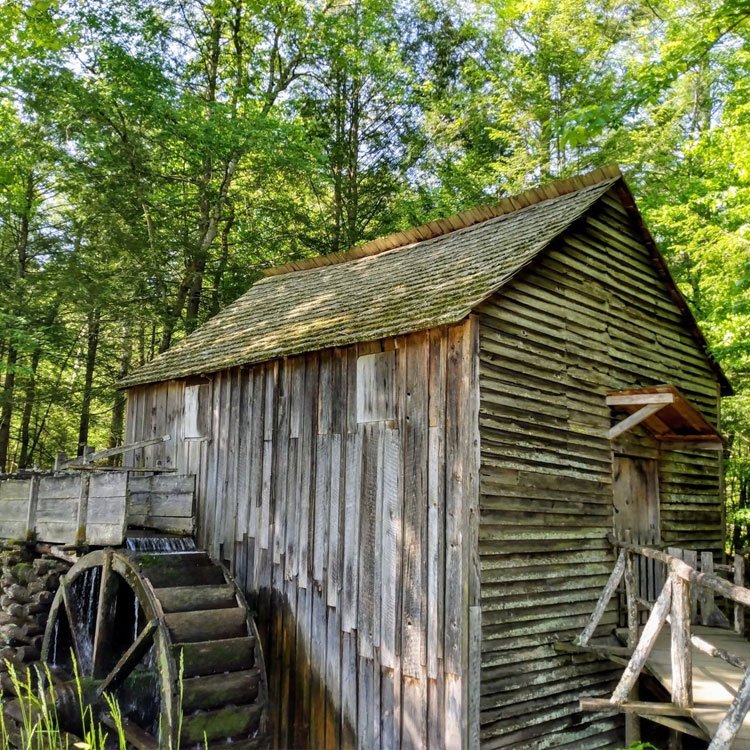
A weathered barn, a painted wall, or a mountain view can look like the perfect place for a photograph.
But a beautiful location isn’t necessarily a public one.
An open gate doesn’t mean visitors are welcome. Neither does a social-media location tag or a photograph someone else posted online.
Before entering a yard, field, farm lane, or private parking area, make sure you have permission.
This matters even if you only plan to stay for a minute.
In Nashville, blocking or impeding a driveway with a vehicle is prohibited. If a popular mural or landmark attracts visitors, park legally and walk to the location rather than stopping where residents or businesses need access.
Sidewalks matter, too.
A group lining up for photographs can unintentionally block a doorway or leave someone using a wheelchair or stroller with nowhere to pass.
Take your picture, then move aside so others can use the space.
Photographing people calls for a little consideration as well. If you want a close-up or posed picture of a vendor, performer, or resident, ask first.
A friendly conversation doesn’t automatically mean someone wants to appear on your social media.
The distinction is simple: A place can be visible from a public road without being open for visitors to enter.
5. The Smokies Have Rules Visitors Often Miss
Bringing your dog to the Smoky Mountains sounds like a wonderful idea—until you discover that most hiking trails don’t allow pets.
Great Smoky Mountains National Park permits leashed pets on only two trails: the Gatlinburg Trail and the Oconaluftee River Trail.
Pets are also allowed in designated campgrounds, picnic areas, and along roads. Wherever they’re permitted, leashes must be no longer than six feet, and owners must clean up after them.
If you’re traveling with a dog, choose your walking route before leaving your accommodation. Other Tennessee parks have their own pet policies.
If you’re planning a trip, our guide to Great Smoky Mountains crowd levels by month can also help you choose when to visit.
On shared trails, posted directions come first. General National Park Service guidance gives uphill hikers priority, but the safest place to let someone pass depends on the terrain.
A simple “May we pass?” works better than squeezing around someone on a narrow section.
At overlooks, take your photographs and give others a chance to enjoy the view. Avoid blocking the entire railing while arranging a long photo session.
Keep amplified music out of the shared experience, and take food wrappers and pet-waste bags with you.
Wildlife requires even more consideration.
The Smokies have specific minimum viewing distances:
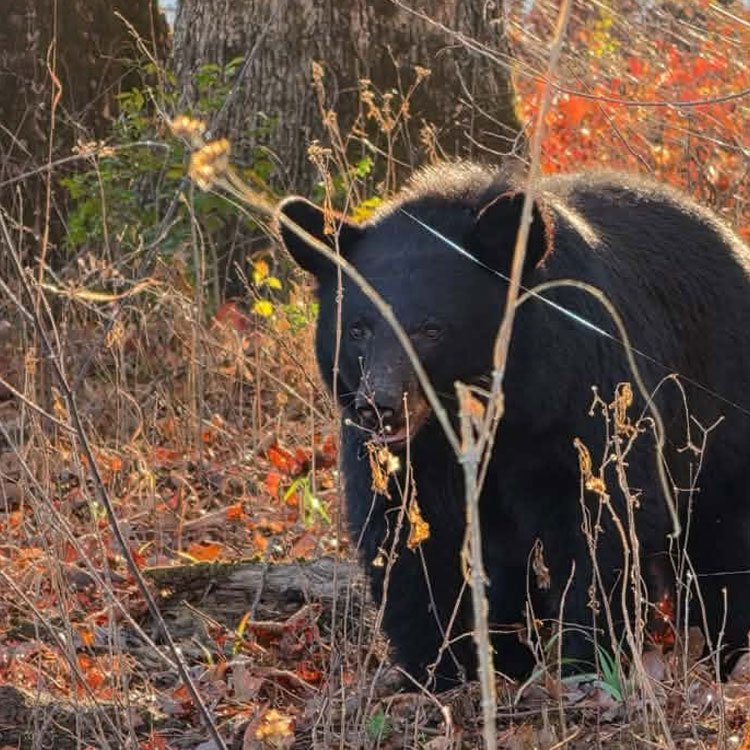
- Black bears: Stay at least 50 yards (150 feet) away.
- Elk: Stay at least 25 yards (75 feet) away.
- Other wildlife: Give animals enough space that your presence doesn’t change their natural behavior.
These distances are enforceable park regulations, not simply photography suggestions. The park also prohibits willfully approaching, remaining near, or engaging in activities that disturb wildlife or interfere with its movement, even beyond the specified distances.
If an elk stops feeding or changes direction because you’re nearby, you’re already too close—even if you’re beyond the minimum distance.
Use a zoom lens or binoculars instead of approaching animals.
When watching wildlife from your vehicle, use designated pull-offs and keep your vehicle completely clear of the roadway. If there isn’t a safe place to stop, keep driving.
Never feed wildlife, including animals that appear comfortable around people.
The National Park Service’s wildlife guidance explains the viewing distances and why these precautions protect both visitors and the animals they’re hoping to see.
For more information about the animals you might encounter, read our article on black bears in the Smoky Mountains.
6. Historic and Religious Sites Aren’t Ordinary Tourist Stops
A visit to a historic battlefield, civil rights museum, or active place of worship may require a different approach from a typical sightseeing stop.
At the National Civil Rights Museum in Memphis, photography is permitted in exhibition areas without flash.
Disable your flash before entering. Give other visitors room to read the exhibits, and avoid turning a reflective space into an extended photo session.
Video recording is prohibited on the museum campus and inside its exhibitions without prior authorization. Under the museum’s published media policy, media personnel, photojournalists, and bloggers must arrange credentials at least 48 hours in advance.
At Shiloh National Military Park, the grounds preserve the history of a major Civil War battle.
They’re not simply open lawns for any recreational activity.
Picnicking and recreational games are restricted to designated areas or circumstances permitted by park rules. Plan lunch around appropriate facilities rather than assuming any stretch of battlefield is suitable.
Pets aren’t allowed inside Shiloh National Cemetery, although qualifying service animals are exempt from the park’s pet restrictions.
Religious sites bring another set of considerations.
The Islamic Center of Nashville provides opportunities for people of other faiths to learn about Islam, including observing Friday services and participating in educational discussions.
Its visitor guidance recommends avoiding shorts, short skirts, crop tops, and tank tops when entering the prayer hall. Visitors also remove their shoes before entering the main sanctuary.
The center describes several visitor programs, but arrangements and availability should be confirmed before arriving.
Those expectations are specific to that institution. Other churches, mosques, temples, and religious communities may have different policies for access, clothing, photography, and participation.
If you’re bringing friends or family, sharing the venue’s visitor information ahead of time can prevent confusion at the entrance.
7. You Don’t Have to Sound Tennessean to Be Polite
Some Tennessee place names are much easier to recognize on a map than to pronounce.
Take Demonbreun Street in Nashville.
Despite how it looks, the name is commonly pronounced something like “duh-MUN-bree-uhn,” according to WPLN’s guide to Tennessee pronunciations. You may also hear slight variations, including “Dee-MUN-bree-yun.”
Lafayette, both the Nashville street and the Tennessee town, is commonly pronounced “LUH-fay-ett,” rather than the French pronunciation visitors might expect. Local pronunciations can vary.
And Sevierville, the city near Pigeon Forge, is pronounced “suh-veer-vull,” according to the city’s official visitor guide.
You don’t need to memorize every local pronunciation before your trip.
If you’re unsure, ask someone how they say it. Most importantly, listen to the answer rather than insisting on the pronunciation you expected.
Everyday greetings can be just as simple.
You might encounter a friendly hello, a nod, or a brief conversation while waiting in line. Respond naturally without feeling you need to turn every exchange into a long discussion.
You may also hear “sir” or “ma’am,” particularly in some settings or generations.
But Tennessee residents don’t all use those expressions, and you don’t need to adopt them to be courteous.
“Thank you,” “excuse me,” and someone’s introduced name work perfectly well. If a person expresses a preference for how they’re addressed, use it.
Accents and regional expressions vary across Tennessee. Nashville, Memphis, Knoxville, small towns, and rural communities aren’t interchangeable.
If you don’t understand something, ask the speaker to repeat it.
There’s no need to imitate an accent or force a “y’all” into every conversation.
The most useful approach is to pay attention to the place you’re visiting, respect the people around you, and be willing to learn something you didn’t know before arriving.