

You only have a few days in the Smokies. You want time for mountain views, a forest walk, and a few unhurried stops, not an afternoon spent circling a full parking lot.
The difference between seasons is substantial. According to National Park Service monthly visitation figures, Great Smoky Mountains National Park recorded approximately 1.56 million recreation visits in October 2025, compared with 277,000 that January.
Choosing when to visit means weighing crowds against what you want to see. Summer offers long sightseeing days and plenty of company. Winter has fewer visitors, but some of the scenic roads you may want to drive are closed.
The Best and Worst Times at a Glance
For the fewest visitors, start with January or February. January had the lowest recreation visitation in each year from 2023 through 2025, followed by February. Winter suits flexible visitors who are happy to enjoy the places conditions allow them to reach.
The tradeoff is access. Kuwohi Road and Roaring Fork Motor Nature Trail close seasonally, and snow or ice can temporarily close other roads. If those drives are central to your trip, a busier season may serve you better.
October is the toughest choice if avoiding crowds is your priority. It was the busiest month in all three years reviewed, followed by July and June. Fall foliage may be worth the extra traffic to you; just leave room for slower drives and fewer stops.
For a useful middle ground, consider late-April or early-May weekdays. Spring flowers give you a reason to explore, while seasonal roads gradually reopen. Easter, school breaks, and Memorial Day can affect particular dates.
September weekdays after Labor Day are another option, especially for hiking and scenic drives before October’s foliage crowds. September still receives substantial visitation, and elk-viewing areas can get busy. Go for the autumn transition rather than expecting peak valley color.
These comparisons use NPS figures for 2023–2025, the latest three complete calendar years. They estimate recreation visits, not distinct individual travelers, and show broad seasonal patterns rather than parking availability.
One note on comparisons: NPS revised its counting instructions in January 2024, and Hurricane Helene disrupted access in late September 2024.
The travel windows recommended here are editorial planning judgments; monthly totals do not establish which individual weeks or weekdays are quietest.
Park visitation figures do not measure crowds or traffic in Gatlinburg, Pigeon Forge, Townsend, or Cherokee. Gateway events can delay your approach without making the whole park equally busy. If you are considering Townsend as a base, our guide to Tennessee’s favorite small towns looks at its attractions and layout.
January: Fewest Visitors, Fewer Driving Options
January is the strongest starting point if avoiding crowds matters more than reaching every landmark. Bare branches open views through the forest, and lower-elevation walks let you enjoy the mountains without building the day around a summit.
On a nonholiday weekday with a favorable forecast, consider the Oconaluftee River Trail on the North Carolina side. NPS describes it as an easy, three-mile round-trip riverside walk beginning at Oconaluftee Visitor Center. Check current trail and road conditions before setting out.
Newfound Gap Road normally remains open year-round, weather permitting, but snow and ice can interrupt that cross-park drive. Cades Cove can also have heavy weekend traffic, even during winter.
February: Pick a Weather Window
February was the second-quietest month in all three years reviewed. It suits visitors who can wait for a favorable forecast before choosing their dates.
The earliest spring flowers may begin appearing, depending on species, elevation, and weather. Treat them as a possible bonus rather than planning the whole trip around them.
Days are getting longer, but winter road restrictions remain relevant. A mild afternoon in Gatlinburg does not establish conditions higher in the mountains. Check the mountain forecast before committing to a higher-elevation outing.
March: Spring Break Changes the Picture
March brings emerging valley flowers, more daylight, and a noticeable increase in visitation. School calendars become a bigger part of choosing dates.
School breaks vary by district, and Easter can fall in March or April. There is no single spring-break week to avoid every year. Start with early-month weekdays, then check school calendars for the dates you are considering.
Build the trip around valley sightseeing, with higher destinations dependent on conditions. March does not guarantee spring weather in the mountains, and Roaring Fork’s seasonal closure still limits scenic-drive choices.
April: Wildflowers and Gradually Expanding Access
If spring flowers are high on your list, April deserves a close look. Lower-elevation wildflowers usually peak around mid- to late April, while higher elevations follow later.
For a specific outing, consider Little River Trail near Elkmont. NPS recommends its first two miles for wildflower viewing from mid-March through April. The relatively wide, level path follows the river; walking the full two-mile section and returning makes a roughly four-mile outing.
Roads reopen on different schedules, so do not assume every scenic drive is available at the beginning of the month. Easter, school breaks, and organized wildflower outings can also concentrate visitors on particular dates and trails. Choose a walk suited to your ability, then check whether an event overlaps with your plans.
May: Go Before the Holiday Rush
Consider early- or mid-May weekdays for fresh foliage and more driving options before Memorial Day. Confirm seasonal-road reopening dates before building your trip around a particular drive. Mountain laurel typically flowers during May and June, adding another reason to leave time for stops along the way.
If Kuwohi is a priority, remember that reaching its parking area is only part of the visit. The paved walk to the observation tower is steep and roughly one mile round trip. Allow time for the climb, and choose the outing with everyone’s walking ability in mind.
Later in May, holiday demand brings more competition at popular destinations. Firefly viewing can also create date-specific access restrictions around Elkmont; the managed period varies by year and can fall in late May or early June.
Cades Cove has a seasonal vehicle-free Wednesday program, too. Confirm the annual schedule if you want to drive the loop.
June: Long Days, Heavy Use
June offers long sightseeing days, green forests, and seasonal mountain blooms. Catawba rhododendron typically flowers during the month, giving visitors another reason to explore higher elevations.
Those advantages draw plenty of people. Across the years reviewed, June’s average daily visitation was almost equal to July’s. Early summer should not be mistaken for a quiet season.
Plan your longest hike for the morning and check the forecast before heading into exposed terrain. Summer thunderstorms can change afternoon plans.
July: Work Around Holiday Traffic
For families working around school schedules, July may be the most practical choice. You get long days for hiking and sightseeing, and higher elevations can offer cooler conditions than the valleys.
July was also the second-busiest month by total recreation visits in each year reviewed. Favor a nonholiday weekday over the Independence Day period if you have that flexibility.
Expect parking competition at Alum Cave, Kuwohi, and popular waterfall trailheads. Morning hiking can help you avoid the hottest part of the day, though it does not guarantee a space.
August: Look Later in the Month
August received fewer recreation visits than June or July in each year reviewed. For a summer trip, compare late-August weekdays as school schedules change.
You still get summer scenery and generally broad seasonal-road access.
Heat and thunderstorms continue, and popular waterfall trails remain popular. Daylight also begins shortening, so allow enough time for longer walks.
September: A Useful Balance After Labor Day
For a first visit focused on hiking and scenic drives, consider September weekdays after Labor Day. Seasonal roads are generally available, and the park has not yet reached October’s highest visitation.
Potentially more comfortable hiking conditions make September appealing for spending time outside the car. Higher elevations may begin changing color, but widespread valley foliage comes later.
The month still receives substantial visitation. Elk viewing can concentrate visitors around Oconaluftee and Cataloochee during the rut, which runs from early September into late October.
Gateway events matter, too. A car show in Pigeon Forge can delay your approach without making every park road equally congested. Check what is happening along your route when choosing dates.
October: Fall Color Brings the Biggest Crowds
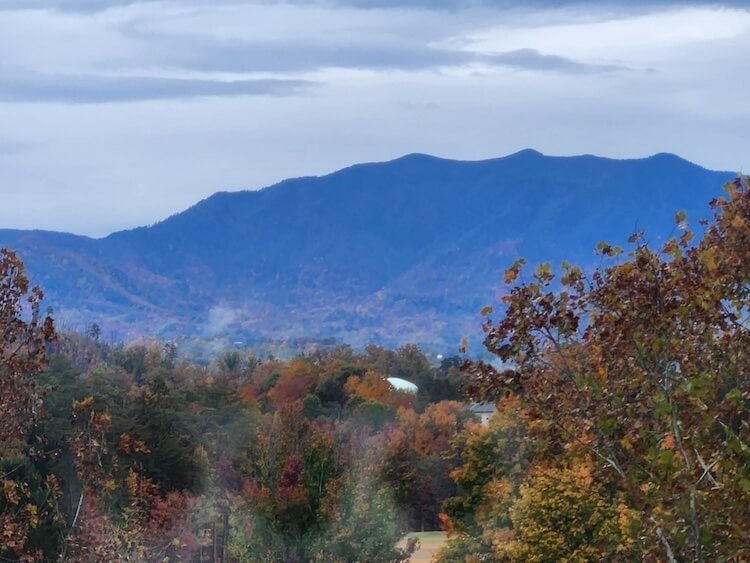
If fall foliage is the reason for your trip, October has an obvious appeal. Color develops at different elevations over several weeks, giving you options about where to explore.
Higher areas can start changing in September, while lower and middle elevations often have their strongest color from mid-October into early November. Weather affects the timing, so follow current conditions rather than relying on one promised peak weekend.
October was the busiest month in 2023, 2024, and 2025. Newfound Gap Road, Kuwohi, Cades Cove, and Roaring Fork can all draw heavy demand, and drives can take hours longer than expected.
Choose weekdays where possible and give yourself fewer destinations. Lakeview Drive or Foothills Parkway may provide useful alternatives. Before a fall outing, read our guide to black bears in the Smokies and their busy fall feeding season.
November: Watch the Dates, Not Just the Average
November gives you two different reasons to visit: possible lingering lower-elevation color early in the month, followed by leaf-off views and historic sightseeing.
Overall visitation is lower than October’s, but Thanksgiving travel can bring heavy congestion. Nonholiday weekdays are a better starting point if avoiding traffic is your priority.
Several secondary roads close seasonally during November, and daylight becomes more limited. Choose one area with enough to interest you for the day. A scenic drive with time for short walks and stops can be a comfortable way to enjoy the season without racing the sunset.
December: Separate Early Quiet From Holiday Travel
December was the third-quietest month overall in the years reviewed. Early-December weekdays can suit a short winter visit, with leafless scenery and a few outings alongside holiday activities in nearby towns.
The Christmas–New Year period is a different planning proposition and can bring heavy congestion. The monthly average does not tell the whole story.
Keep park outings modest enough to fit into the year’s shortest days. Seasonal road closures and possible weather closures limit driving choices, and visitor centers normally close on Christmas Day.
Choose the accessible sights you most want to see and leave time to stop.
How to Avoid the Worst Congestion
Your month matters, but so does the shape of your day. The park identifies 10–11 a.m. as its busiest arrival period. Starting earlier or later can help, provided your outing still fits safely into the remaining daylight.
Give scenic drives realistic time. Cades Cove’s 11-mile loop can require two to four hours, with more time needed for hikes. That is a substantial part of a short winter day and deserves its own place in the schedule.
Small parking areas also explain why quieter months can still produce full lots. The park lists just 17 spaces at Grotto Falls Trailhead, for example. Lower overall visitation does not remove that limit.
Research Hen Wallow Falls for a waterfall hike, Look Rock for views, or Lakeview Drive for scenic driving. Check access and walking requirements to make sure the outing suits everyone in your group.
Before leaving, review road conditions, the weather, sunset, and the NPS congestion forecast calendar. The calendar provides date-specific predictions based on historical traffic, rather than live traffic conditions.
The park has no entrance fee, but parking longer than 15 minutes generally requires a displayed parking tag: $5 daily, $15 weekly, or $40 annually. A tag does not reserve or guarantee a space, and an America the Beautiful pass does not replace it. Campsite reservations and other permits cover separate activities.
Select a suitable backup before setting out. If your first parking area is full, you will already know where to go next.









4 thoughts on “Great Smoky Mountains Crowd Levels by Month: Best and Worst Times to Visit”