
Tennessee dedicated a new state park on May 8, 2026. More than five months later, you still can’t walk in.
Underneath it runs a cave system with more than 27 miles of mapped passages. You can tour those caves today, just not through the state park.
In a meadow below the mountain stands an earthen monument built about 1,000 years ago. It’s still about 15 feet tall.
And somewhere on the same mountain, a few apple trees from a family orchard planted in the late 1800s are still standing.
Here’s what’s on Cardwell Mountain, why the gates are still closed, and how to see what you can right now.
A State Park You Can’t Visit (Yet)
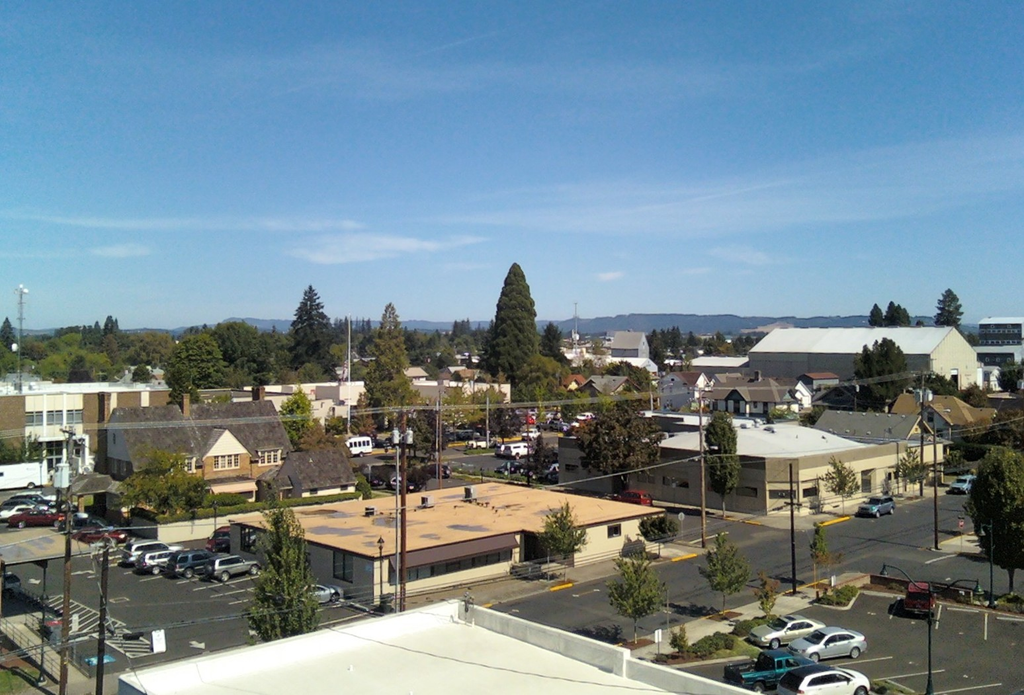
Cardwell Mountain State Archaeological Park covers 534 acres in Warren County, just outside McMinnville. Tennessee officially dedicated it on May 8, 2026.
Forget the usual state park picture of campgrounds and picnic tables. This is an archaeological park. Its first job is protecting irreplaceable historical and cultural sites, and its second is eventually helping visitors understand them.
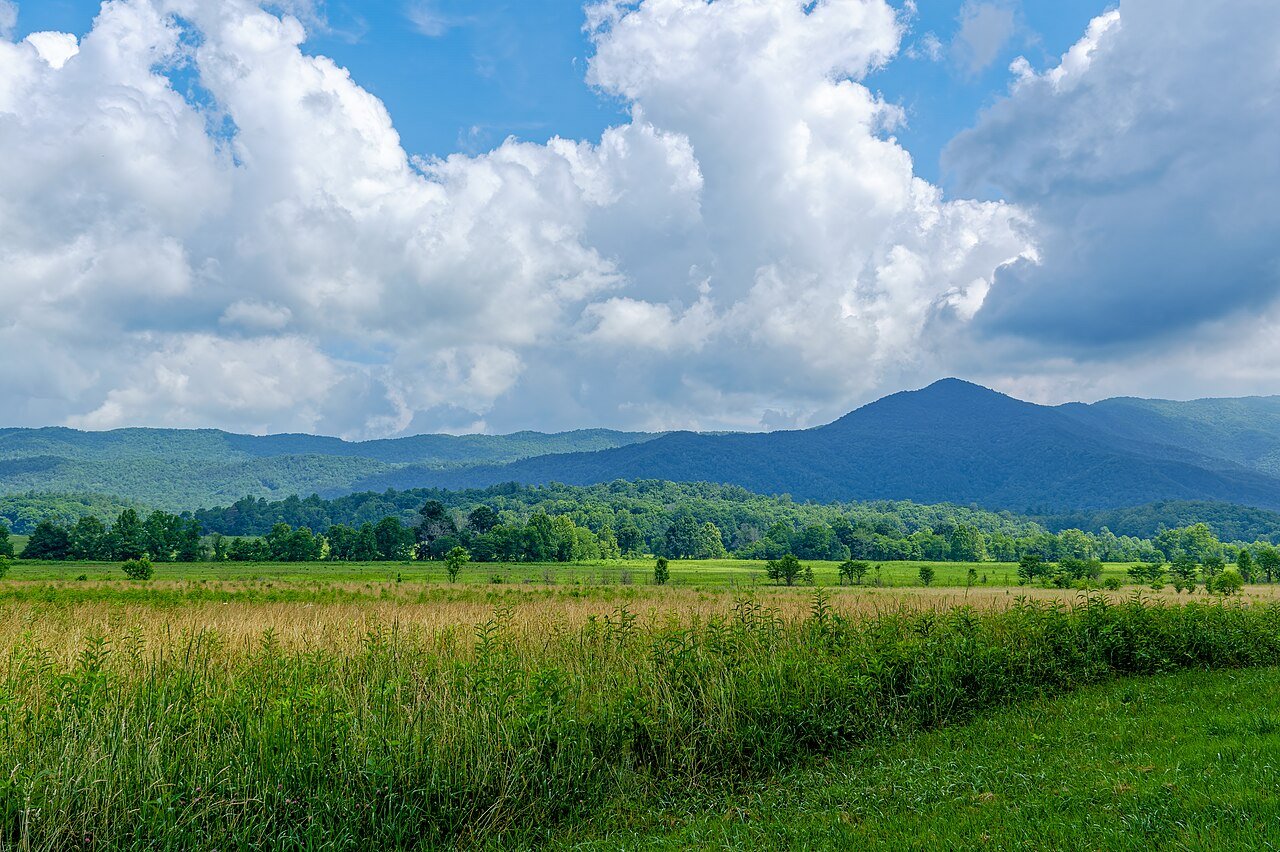
The mountain sits where the Eastern Highland Rim meets the Cumberland Plateau, and you can see both in its landscape:
- Open meadows and wooded slopes
- Exposed limestone lower down
- Sandstone formations higher up the mountain
- The Cumberland Caverns cave system running underneath
People have been using this land for more than 5,000 years.
It might not have been protected as a whole. When the property was offered for sale, TennGreen Land Conservancy, The Nature Conservancy, and The Conservation Fund teamed up in March 2021 to buy it and hold it until the state could take ownership. Instead of its future depending on private development decisions, the mountain is now public land.
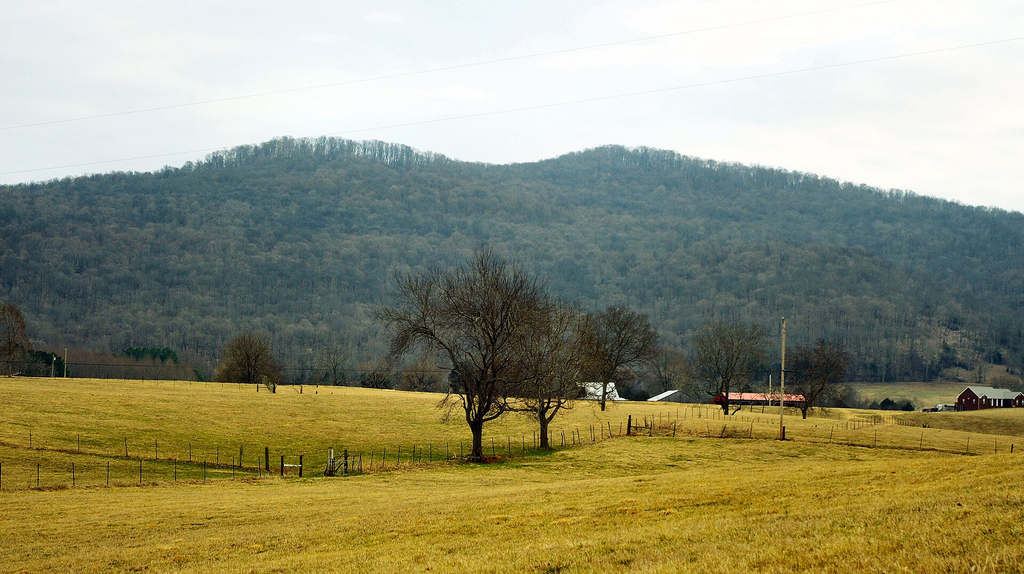
Brian Stansberry, CC BY 3.0, via Wikimedia Commons
Why the Gates Are Still Closed
Dedicating a state park isn’t the same as opening it. Before Cardwell Mountain can welcome everyday visitors, the state has four big jobs to finish:
- Protect the archaeological sites. Some places on the mountain could be permanently damaged if visitors wandered through before safeguards are in place.
- Build the basics. Walking trails, parking, visitor amenities, and the infrastructure a park needs to run every day.
- Fund it. Tennessee has identified about $22 million for a visitor center, maintenance facilities, utilities, paving, shelters, and other improvements.
- Staff it. Employees will need to manage the grounds, help visitors, keep up the facilities, and watch over the archaeological resources.
In April 2026, Tennessee State Parks Director Chris Padgett said a full opening was still at least a couple of years away. No official opening date has been announced.
A few people have already been up the mountain. During 2026, Tennessee State Parks offered limited ranger-led introductory walks. An October program, for example, covered about 1.5 miles of undeveloped terrain in about two hours, with limited spots and required advance registration. Those walks were a preview, not permission to explore on your own.
The 27 Miles Underneath Are Open Right Now
Here’s the part that confuses people: the state park and the caves below it are two different places.
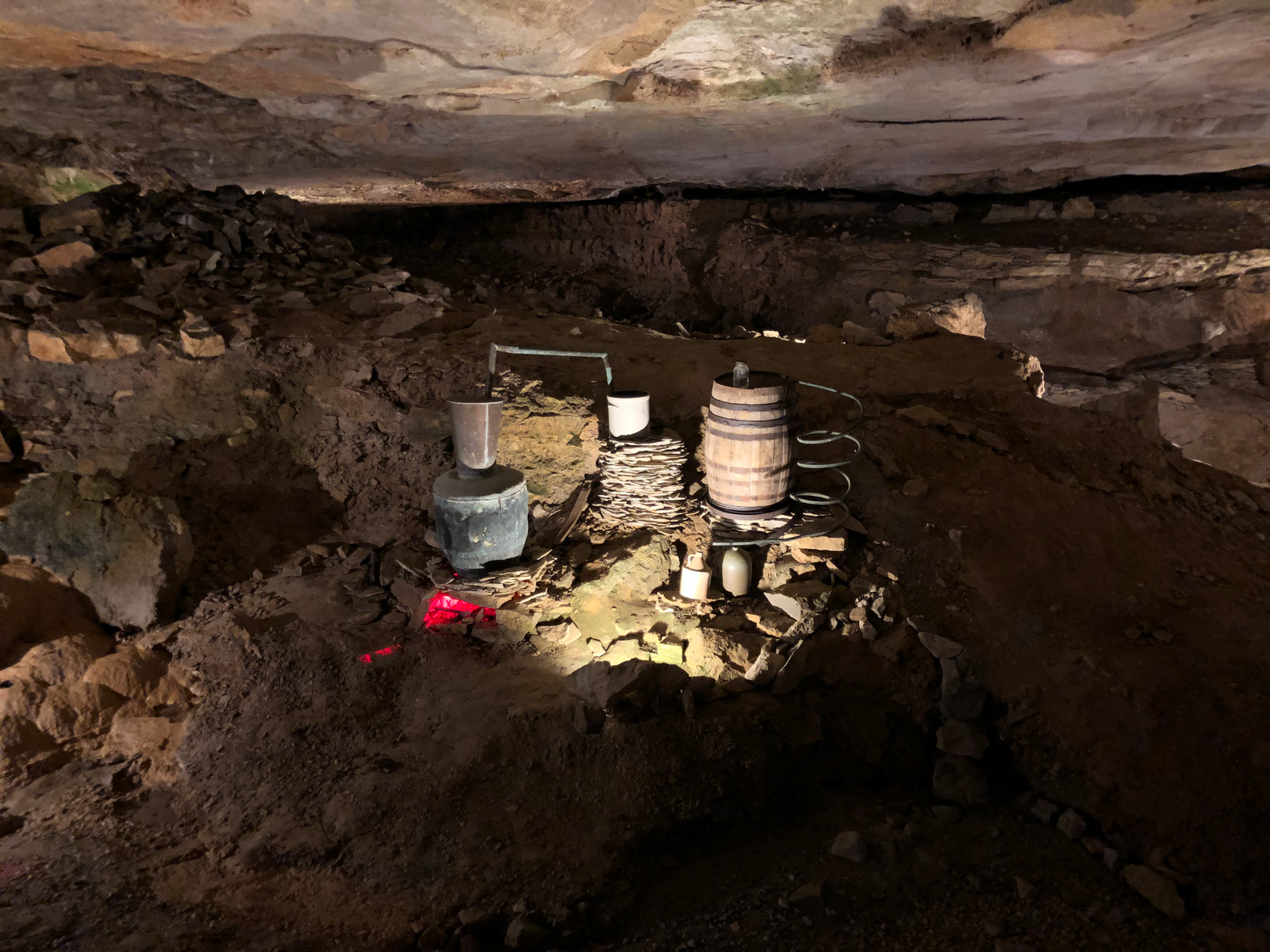
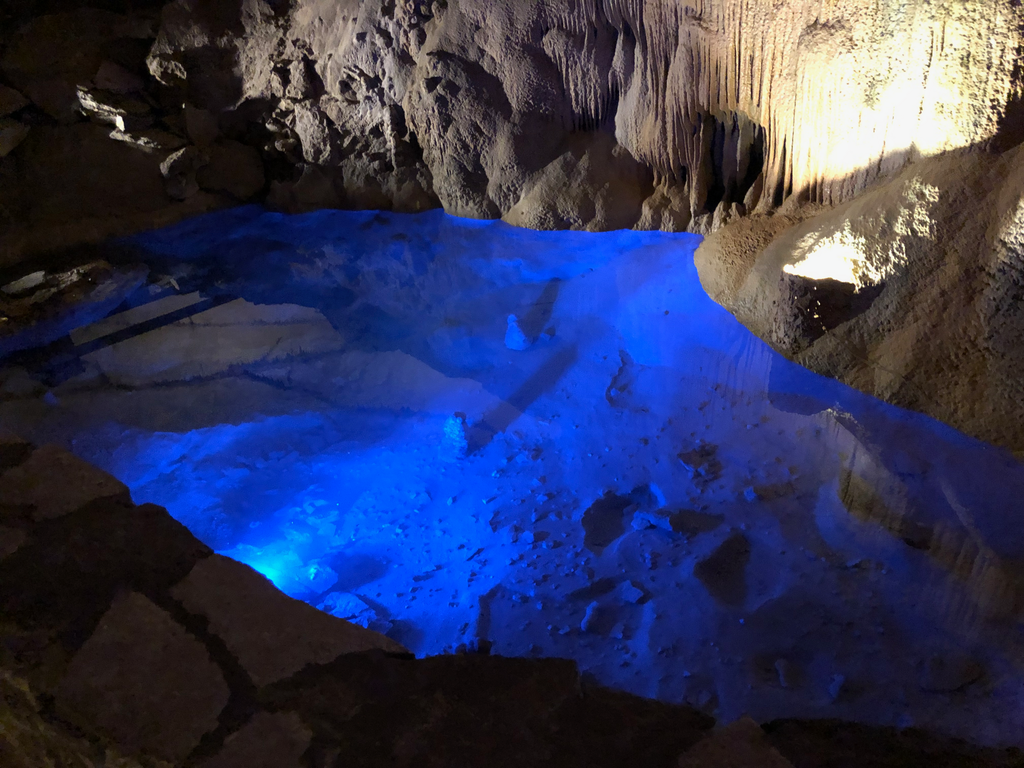
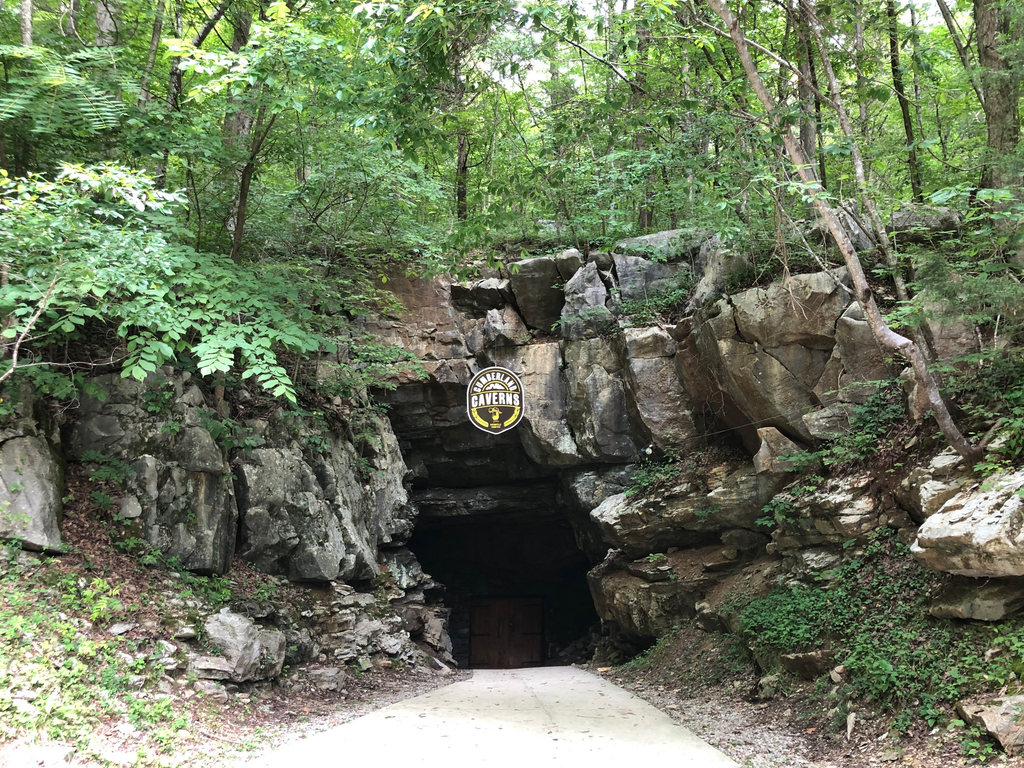
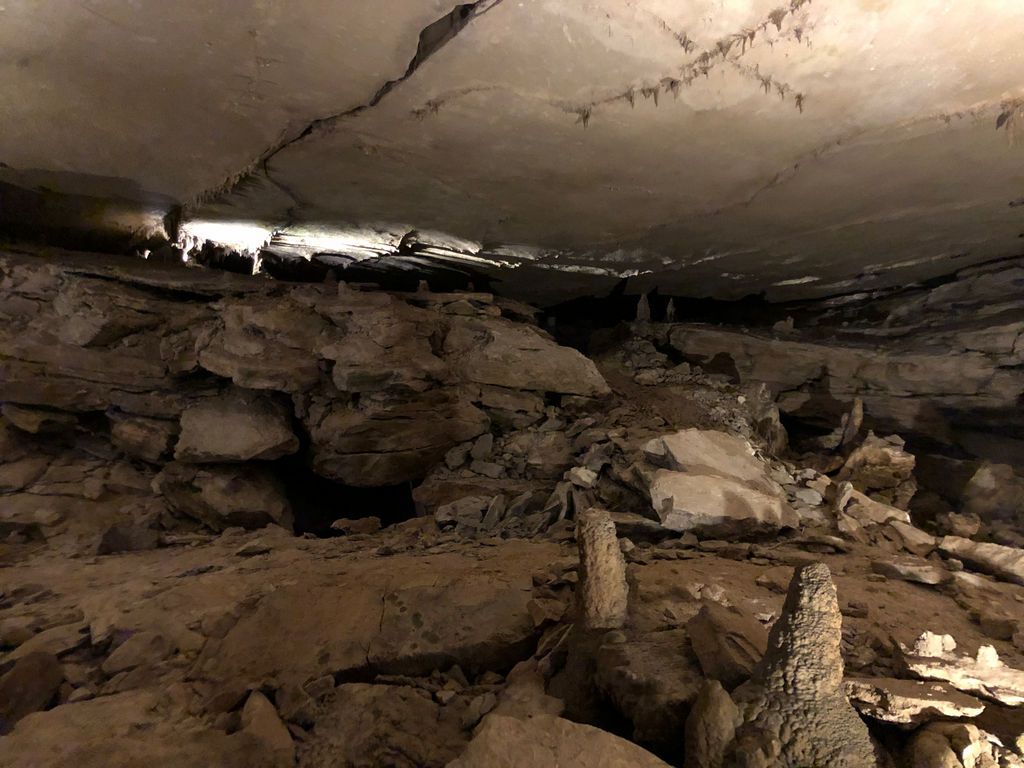
Cumberland Caverns is privately owned and operated, and it’s been giving tours since July 4, 1956, long before the mountain above it became a state park. Its system holds more than 27 miles of mapped passages, and it was named a National Natural Landmark in 1973. You won’t walk anything close to 27 miles, though. Guided tours cover selected sections.
Pick your tour:
| Cardwell Mountain History Tour | Discovery Walking Tour | |
|---|---|---|
| Length | About 45 minutes | About 90 minutes |
| Distance | About three-quarters of a mile | About 1.5 miles |
| Highlights | The cave’s discovery, exploration, and saltpeter mining past, plus the giant Volcano Room and its chandelier | More formations, an underground waterfall feature, and the Hall of the Mountain King |
| Stairs | None, but uneven ground and continuous walking or standing | More than 350 natural-stone steps, with steep, uneven sections |
| Price | From $25 for ages 13 and up (as of October 2026), less for younger kids | Check current rates |
Despite its name, the History Tour is a Cumberland Caverns experience, not a visit to the state park. Neither tour is wheelchair-accessible.
The cave stays around 56 degrees all year, so bring a light jacket even in July, plus sturdy shoes that stay put.
If caves are your thing, Tennessee has two more that locals love: a boat ride on the underground lake at the Lost Sea and the hidden waterfall at Ruby Falls.
A 1,000-Year-Old Monument Still Stands in the Meadow
The caves get the attention, but some of the mountain’s most important history is above ground.
Archaeologists have documented Indigenous people using this land across several major eras of Tennessee’s past: the Archaic, Woodland, and Mississippian periods. That’s more than 5,000 years of history, long before Tennessee was a state.
The standout is an earthen monument in a meadow below the mountain. It’s about 1,000 years old, dating broadly to the Late Woodland or Early Mississippian period, and it still rises about 15 feet. Towns have come and gone around it, roads have been cut, whole landscapes have changed, and it’s still there. What it was originally built for hasn’t been definitively established.
It isn’t alone. Researchers have also documented rock art, rock shelters, caves, and other archaeological sites across the property.
That’s why the state is moving carefully. An artifact’s exact location, the soil around it, and how it relates to nearby features all help explain how people lived. Once that context is disturbed, it’s gone for good.
Cardwell Mountain now joins other protected places that preserve Tennessee’s Indigenous past, like Pinson Mounds in West Tennessee.
The Apple Trees That Outlived the Farm
The mountain has a much younger story, too.
The Cardwell family settled in Warren County in 1828 and farmed the mountain for generations. In the late 1800s, they planted fruit orchards, mostly apples.
Some of those apple trees are still standing today, living reminders of a family that worked this land long before anyone imagined it as a state park.
The state plans to restore part of the historic orchard, so future visitors can learn about the mountain’s farming past right alongside its ancient history. One property, three stories: Indigenous communities, generations of Tennessee farmers, and a landscape unlike most of the state.
What You’ll Find When It Finally Opens
The goal isn’t just sending people into the woods. It’s helping them understand what they’re looking at.
What’s planned:
- A visitor center with educational exhibits
- Interpretive walking trails through the mountain’s natural landscape and past its archaeological features
- Interpretation of the ancient earthen monument
- Exhibits on the Cardwell family’s history
- A partial restoration of the old apple orchard
What’s still unknown:
- An opening date
- Final trail distances
- Full accessibility details
- Whether the state park will ever run cave tours of its own. None have been announced.
Even after opening, don’t expect to wander into underground passages or sensitive archaeological sites freely. The challenge is letting people in without damaging the things that made the mountain worth saving.
Cardwell Mountain and Cumberland Caverns Visitor Guide
The state park: Not open for self-guided visits. Don’t make a special trip expecting to park and start hiking. Trails and facilities are still being built, and access is limited to authorized activities.
Ranger-led walks: Earlier 2026 walks required advance registration and had small group sizes. No upcoming dates have been confirmed, so watch Tennessee State Parks’ Cardwell Mountain page for future events.
The caves: Cumberland Caverns, 1437 Cumberland Caverns Road, McMinnville. Reservations are recommended, though walk-in spots may be available depending on the tour. Check current prices, departure times, and availability on the Cumberland Caverns website before you drive out.
What to bring: A light jacket for the 56-degree cave, and sturdy, secure shoes.
Remember: A Cumberland Caverns ticket doesn’t get you into the state park.
While you’re near McMinnville: Rock Island State Park’s Twin Falls pour straight out of a limestone gorge wall, and it’s one of the parks locals love most.
The gates may be closed for now, but saving the mountain has already done something important. The 1,000-year-old monument is still standing. Some of the Cardwell family’s apple trees are still growing. And when visitors finally get to walk these grounds, they’ll be exploring a piece of Tennessee that could have been lost before most people knew it was there.
Details via Tennessee State Parks, the Tennessee Department of Environment and Conservation, and Cumberland Caverns.