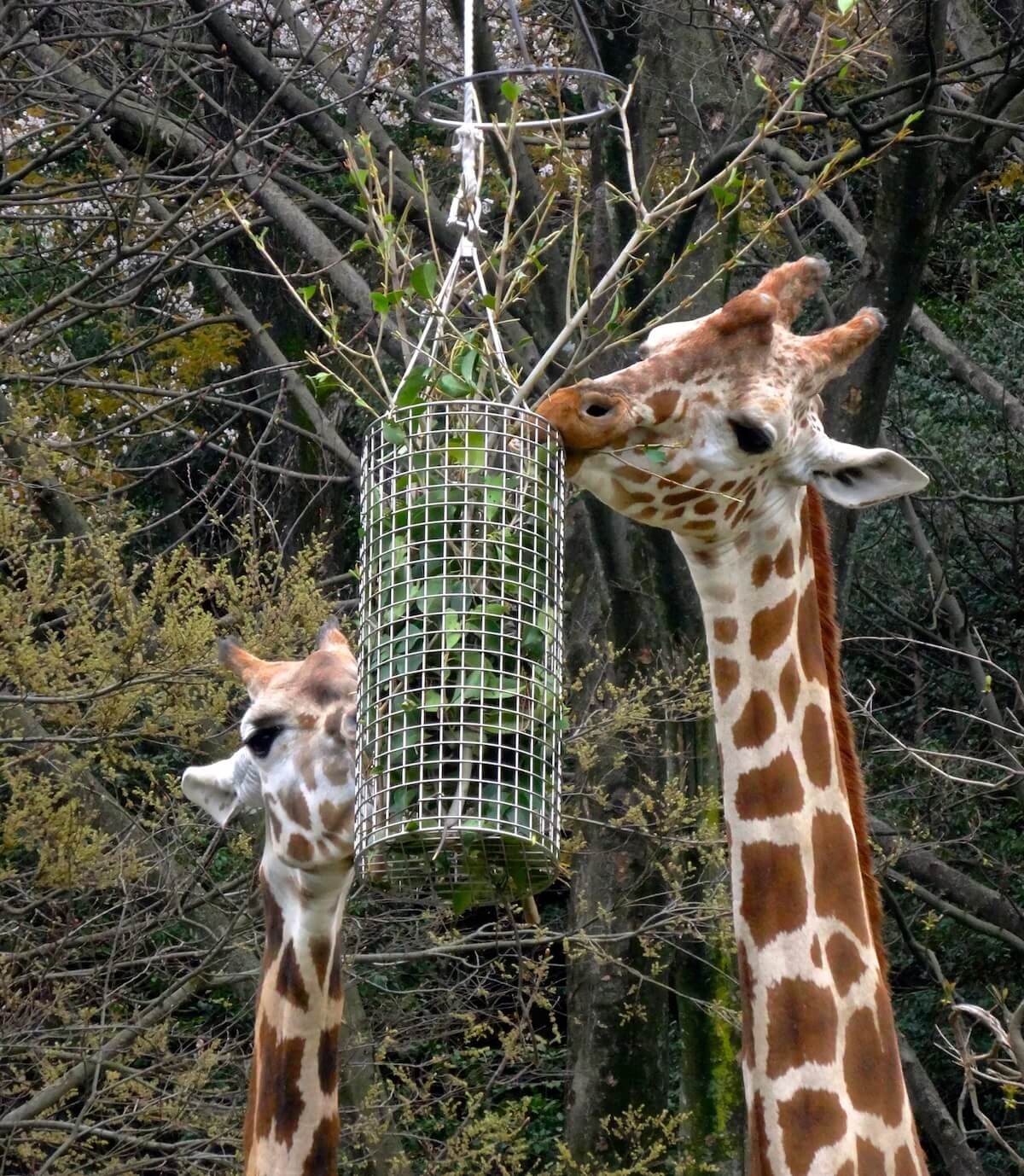

In Tennessee, you can keep a giraffe without a state wildlife permit.
You can’t legally keep the white-tailed deer that wanders through your backyard.
A kangaroo? Allowed. A wild turkey egg? Restricted.
And one West Tennessee farm family shows just how far the law goes. On the Conley family’s land in Alamo, more than 80 species live today, from zebras to kangaroos.
Here’s how Tennessee sorts animals into legal and illegal, the surprising reason a deer is harder to keep than a giraffe, and one number most reports get wrong.
The Kangaroo List: What Class III Allows
Tennessee sorts wildlife into classes, and the one that surprises people is Class III. Under state law, Class III needs no permits except those required by the Department of Agriculture, and it covers every species not listed in another class.
The law spells out examples, and they go well beyond hamsters and goldfish:
- Kangaroos and other marsupials
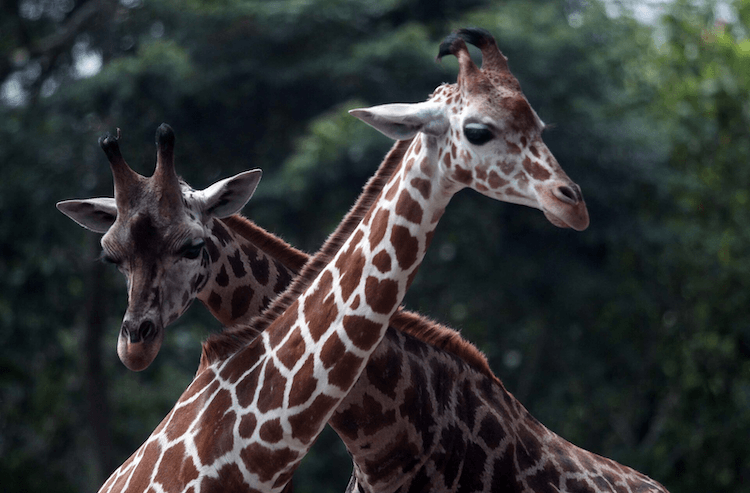
- Giraffes, camels, and bison
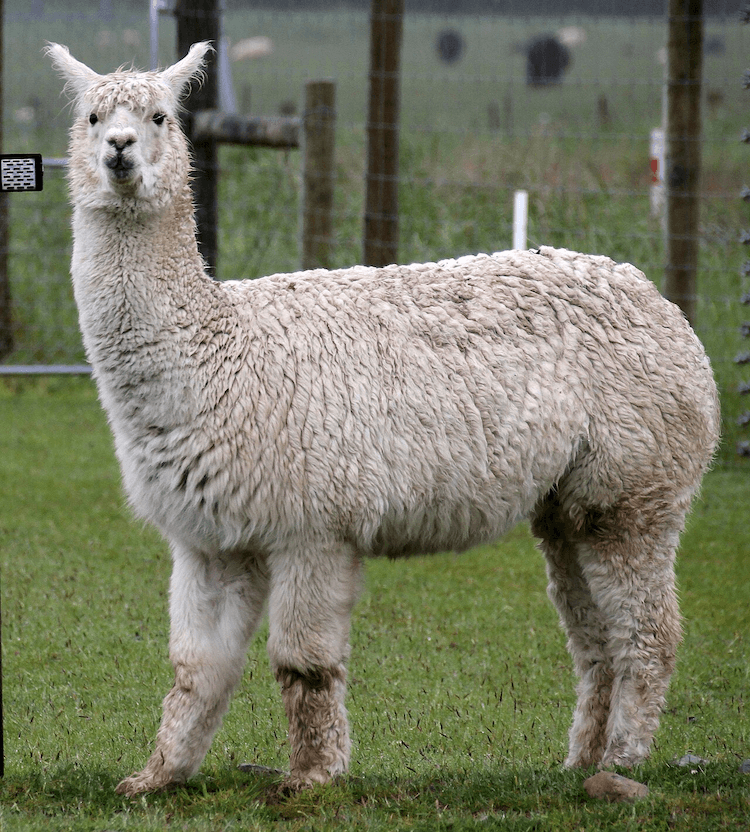
- Llamas, alpacas, guanacos, and vicuñas
- Zebras and the rest of the horse family
- Ferrets and chinchillas
- Nonvenomous reptiles and amphibians, except caimans and gavials
- Primates not listed in another class
- Most deer species, except white-tailed deer and wild elk
There’s a quirky detail in that last one. Elk raised on a farm from a legal source count as Class III. Wild elk don’t.
Legal isn’t the same as allowed in your backyard. State wildlife law is only one layer. Before a giraffe moves in, you’d also have to clear:
- City and county zoning rules
- HOA or deed restrictions on your property
- Tennessee Department of Agriculture requirements
- Animal welfare laws
A giraffe may fit Tennessee’s wildlife rules and still be completely wrong for a half-acre lot.
Why a Giraffe Is Easier to Keep Than a Deer
White-tailed deer are everywhere in Tennessee: along country roads, at the edge of subdivisions, in your garden at dusk. Yet they’re among the hardest animals in the state to keep legally.
Tennessee places white-tailed deer and wild turkeys, eggs included, in Class IV. Class IV generally limits possession to zoos and temporary exhibitors, with an exception for rehabilitation facilities specifically authorized by TWRA.
The logic isn’t about size or how exotic an animal looks. It’s about whether it’s native:
- Native species default to Class II, which requires permits, unless the law puts them somewhere else.
- Certain prized native game, like white-tailed deer and wild turkeys, gets the tightest restrictions of all in Class IV.
- Non-native species that aren’t dangerous fall into Class III, which is why a kangaroo slips through.
In other words, Tennessee guards its own wildlife closely, and the animals most people would never think of keeping are the ones with the fewest rules.
There’s a practical side, too. Wild animals that get comfortable around people rarely end well for the animal. Just look at the Gatlinburg black bear that kept breaking into homes and cars.
The Animals You Can’t Keep: Class I
Image Credit: Hollingworth, John and Karen, U.S. Fish and Wildlife Service, Public domain, via Wikimedia Commons
Class I covers species the law calls inherently dangerous to humans. They’re generally limited to zoos, circuses, commercial propagators, and other permitted operations, not personal pets.
Class I includes:
- Lions, tigers, leopards, jaguars, cheetahs, and cougars
- Bears and wolves
- Elephants and rhinoceroses
- Hippopotamuses and African buffalo
- Crocodiles and alligators
- Venomous snakes
- Certain dangerous primates, like chimpanzees and gorillas
Notice the bears. The Smokies are home to nearly 1,900 black bears, and every one of them is a look-but-don’t-touch animal under state law.
Personal possession permits for Class I wildlife are restricted to qualifying owners grandfathered under the June 25, 1991 cutoff, with limited provisions for maintaining those animals’ lineage. New owners cannot simply meet the housing requirements and obtain a personal pet permit.
Tennessee also has separate rules for Class V species considered harmful to the environment. Bottom line: check the exact species, not just a general description, before assuming any animal is legal.
The “Fines” That Are Actually Permit Fees
Here’s the number most reports get wrong. You’ll often see it written that keeping a Class I animal without a permit brings a $150 fine per animal or $1,000 per facility.
Those figures are real, but they aren’t fines. Under Tennessee’s wildlife permit law, they’re the annual permit fees paid by people who are allowed to keep these animals, and for Class I, that’s a very short list:
| Class | Personal possession permit fee |
|---|---|
| Class I: grandfathered personal possession only | $150 per animal or $1,000 per facility |
| Class II (native species) | $10 per animal or $100 per facility |
| Class III (kangaroos, giraffes, and more) | No wildlife permit; Department of Agriculture rules may apply |
In other words, nobody can pay $150 today and bring home a tiger. That Class I fee applies only to owners who qualified under the 1991 grandfather cutoff.
That difference matters. A permit fee is what an eligible owner pays to keep an animal legally. Keeping one without the right permit is a separate problem. Under the state’s enforcement law, violations can constitute Class A misdemeanors. If TWRA issues a warning with a deadline to remedy the violation, each day it continues after that deadline can count as a separate violation.
One more rule worth knowing: bringing Class I or Class II wildlife into Tennessee from another state requires an importation permit. Class III animals are exempt from that wildlife permit, but Department of Agriculture rules still apply.
Image Credit: Grendelkhan, CC BY-SA 4.0, via Wikimedia Commons
Thinking About an Exotic Animal? Check These First
- Identify the exact species. “A small monkey” or “a big cat” isn’t enough. The class depends on the precise species.
- Find its class in Tennessee’s wildlife law.
- Call the Tennessee Wildlife Resources Agency about any Class I or Class II animal, and ask about permits before you buy.
- Call the Tennessee Department of Agriculture about Class III animals, especially if the animal is coming from another state.
- Check with your city or county about zoning, and read your HOA or deed restrictions.
- Be honest about the care. Specialized fencing, lots of space, a particular diet, and a vet who treats exotic animals can make a legal animal anything but easy.
TWRA has its hands full with Tennessee’s own wildlife, too. Its biologists recently documented two endangered bat species during a survey in Fentress County.
Want a Kangaroo Encounter Without the Paperwork?
Remember that West Tennessee farm? It’s one of the clearest examples of Tennessee’s exotic animal law in action.
Tennessee Safari Park, Alamo: On the Conley family’s farm in West Tennessee, more than 80 species roam a drive-through safari, including giraffes, zebras, bison, primates, and kangaroos. You can buy cups of food and feed animals from your car window, then walk through a 20-acre zoo with a petting area and giraffe feeding station. Address: 618 Conley Road, Alamo.
Smoky Mountain Deer Farm and Exotic Petting Zoo, Sevierville: In the Smokies foothills, this 140-acre farm lets you hand-feed deer and meet kangaroos, camels, emus, and more.
For more places to get close to animals across the state, see Tennessee Vacation’s guide to animal encounters. Check hours and prices before you go.
A kangaroo can be legal in Tennessee. For most of us, a few hours at a farm like these, and then driving home without one, is the better plan.
Details via the Tennessee Code (Title 70, Chapter 4), the Tennessee Wildlife Resources Agency, Tennessee Safari Park, and Tennessee Vacation.