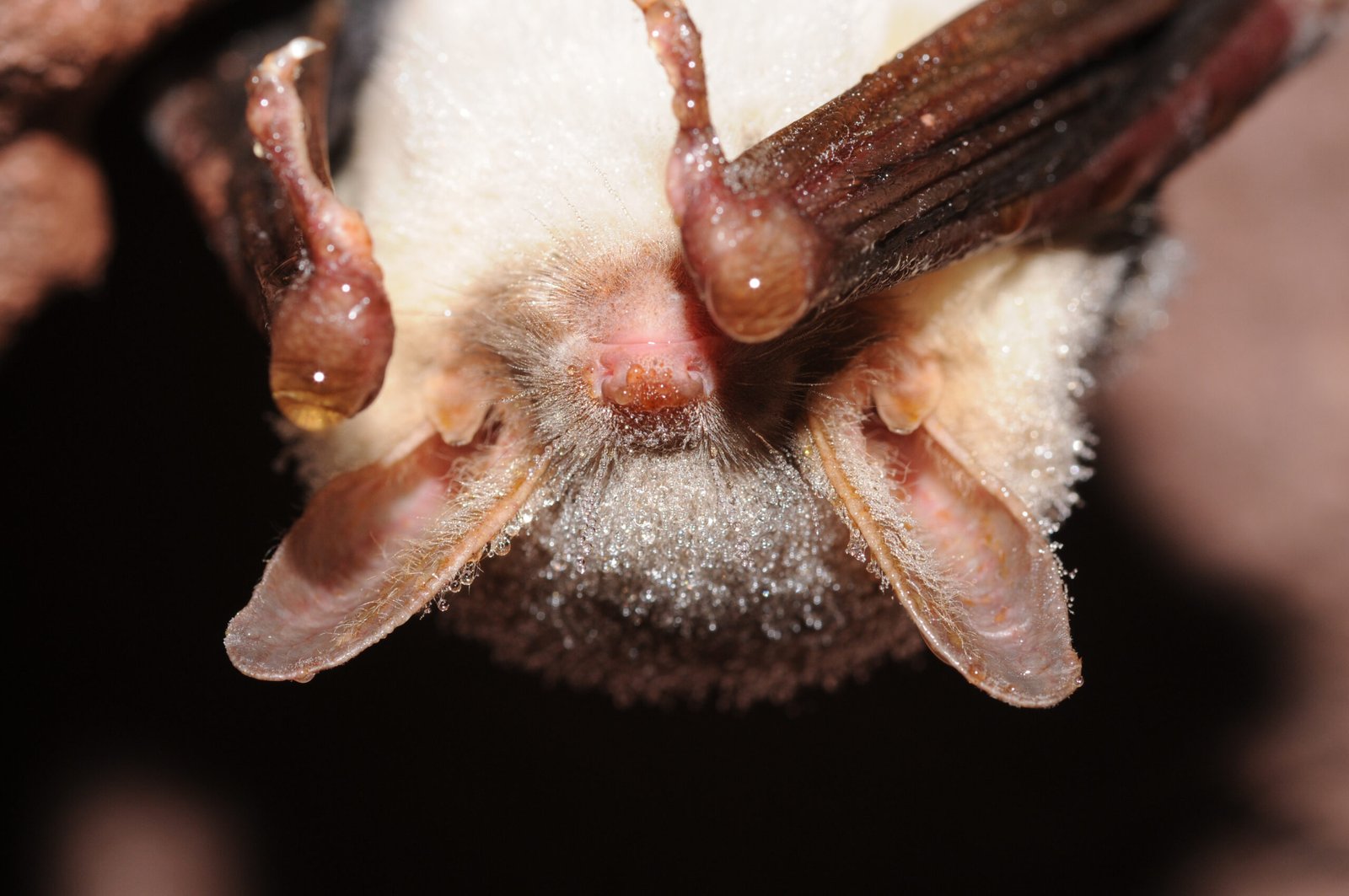

Biologists documented two federally endangered bat species, the Indiana bat and the gray bat, during a two-night survey in and around Fentress County in late September. The Tennessee Wildlife Resources Agency announced the results October 14.
It’s a useful confirmation that these species are using the area. It is not evidence that they’re bouncing back, and that difference matters.
What the survey found
The survey was TWRA’s 2026 Bat Blitz, held on public and private land in Fentress County, the Upper Cumberland county whose seat is Jamestown, and surrounding areas. About 50 biologists and volunteers took part, including some who traveled from as far away as Idaho and Oklahoma.
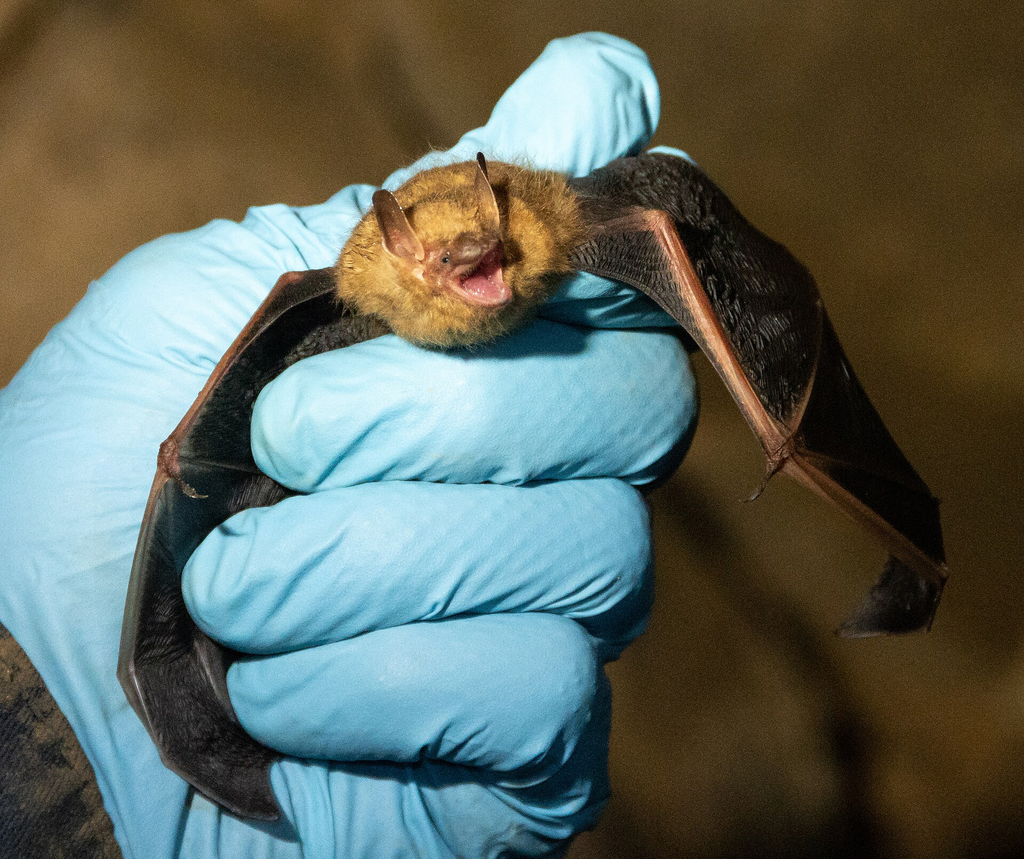
Storms cut into the first night’s work. Even so, the teams captured and examined 316 bats representing nine of the 16 bat species found in Tennessee.
The notable finds fall into three categories:
- Federally endangered: the Indiana bat and the gray bat. Both already have federal protection.
- Proposed for endangered listing: the tricolored bat. That listing isn’t final yet.
- Species of greatest conservation need: the eastern small-footed bat and Rafinesque’s big-eared bat. This is a state conservation priority, not a federal listing.
What the numbers don’t tell us
The 316 figure is how many bats were caught over two nights, not how many live in the county. A capture survey like this shows which species are present. It can’t show whether their populations are growing or shrinking.
TWRA also didn’t publish a count for each species, so there’s no way to tell from the announcement how many of the 316 were endangered bats. Finding an Indiana bat confirms it’s there. It doesn’t tell us whether there are more of them than there were a few years ago.
Why officials are watching closely
TWRA says bat populations have declined in recent years. White-nose syndrome, a fungal disease first found in the U.S. in 2006, is one major threat. Habitat loss is another, and TWRA calls it the number one driver of biodiversity decline in Tennessee.
That decline matters beyond the bats themselves. Bats eat large numbers of insects, and TWRA says that natural pest control saves U.S. farmers billions of dollars a year.
What happens with the data
The results will feed into Tennessee’s State Wildlife Action Plan, which guides the state’s conservation and management decisions. The Bat Blitz also works as a training ground, giving experienced bat biologists a chance to teach newer ones how to identify, handle and trap bats properly.
“The data collected will help us better understand, conserve, and protect bat populations,” said TWRA biologist Dustin Thames, who oversaw the survey.