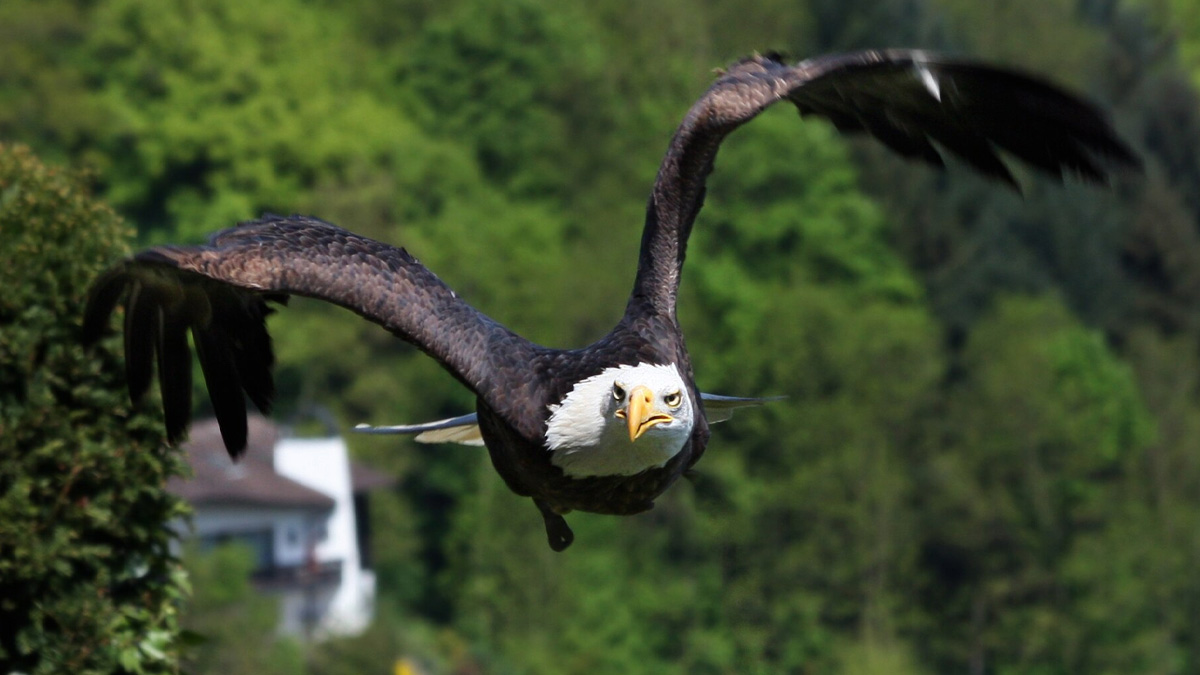

Some of Tennessee’s winter bald eagles have traveled here from farther north. Others never left.
Migrating birds join the state’s resident eagles each winter, increasing the number you might see around lakes and rivers. For a first outing, that can mean starting with something as simple as a public shoreline and a view of the trees above the water.
These seven destinations offer different ways to look: a visitor center where you can get your bearings, a guided search aboard an open barge, or a riverside walk close to Chattanooga’s city services. The useful choice is the one whose access and conditions fit your day.
When to Look for Bald Eagles in Tennessee
According to the Tennessee Wildlife Resources Agency, northern bald eagles begin arriving in late October. Statewide numbers typically peak from late January to mid-February, while most of Tennessee’s nesting birds remain here year-round.
Individual lakes follow somewhat different patterns. January is a particularly good planning month for Tennessee National Wildlife Refuge and Land Between the Lakes; the statewide peak is a window, rather than a deadline for every destination.
Large lakes and rivers supply fish, and mature shoreline trees provide perches. Below dams, concentrated fish can attract feeding birds. Watch the branches as well as the sky: your first eagle may be sitting still above the water.
1. Reelfoot Lake State Park
For a first eagle-watching trip, Reelfoot offers a reassuring starting point: somewhere to ask questions before heading to the shore.
Begin at the state park visitor center near Tiptonville, 2595 Highway 21 East. Visit during building hours and ask staff which viewing areas are open. The visitor-center boardwalk and Keystone Pocket, off McCutchon Road, are starting points to consider.
You could allow a half-day for orientation and shoreline stops, adjusting your route to current conditions. For more background on the lake and its landscape, see the Reelfoot section of our guide to Tennessee parks locals recommend.
Check the park’s construction notices first. Eagle Basin Day Use Area is closed until further notice, and Blue Bank has intermittent closures during renovations. The expected February 2027 completion of Blue Bank’s work is not a guaranteed reopening date for either area.
For a visit built around organized activities, the tourism calendar lists the Eagle Festival for February 5–7, 2027. Confirm individual tour availability, reservations, and transportation arrangements directly with the park before planning around a departure.
2. Dale Hollow Lake
Dale Hollow’s established Eagle Watch program takes the search onto the water aboard an open working barge.
The published Tennessee departure point is Lillydale Campground’s launch ramp near Allons. Check the location carefully: Dale Hollow Lake State Resort Park is across the border in Kentucky.
The Recreation.gov booking page describes tours lasting up to three hours, with straw bales for seating. Those published arrangements describe the program; they do not confirm specific 2027 departures. Secure a confirmed date and reservation before making the trip.
Plan for prolonged exposure to wind while sitting still. Layers, warm footwear, and wind protection matter on this outing. Published booking instructions require life jackets and tell participants to bring their own.
The barge does not meet ADA standards. Discuss boarding needs with the operator before reserving. The operator also advises against participation by small children unless parents exercise extreme caution and oversight.
3. Boswell Landing, Land Between the Lakes
Boswell Landing is a place for an independent shoreline stop, with no tour departure to meet.
Located on Forest Service Road 233 near Dover, it provides Tennessee-side access to Kentucky Lake. Land Between the Lakes identifies it as the best eagle-viewing spot on its southern end.
The recreation area’s winter wildlife guidance points to November through February, especially January. Bring a thermos and leave room for an unhurried stop beside the lake.
Land Between the Lakes has no general entrance fee. Boswell has a boat ramp, picnic facilities, and an accessible vault toilet. Shoreline surfaces vary, so the toilet’s accessibility should not be taken to mean every water view has a step-free approach.
Check road conditions and seasonal wildlife restrictions before leaving. Nearby sanctuary bays may be closed even when the public landing is open, and seasonal welcome stations may be unavailable during a midwinter visit.
4. Duck River Unit, Tennessee National Wildlife Refuge
At Duck River, knowing which roads remain open makes the difference between a useful winter outing and an unavailable driving loop.
Begin at the Refuge Lane entrance to Duck River Bottoms near New Johnsonville. From Highway 70, take Long Street and follow refuge signs. The main-road corridor and Pintail Point Observation Blind provide viewing opportunities during the winter sanctuary closure.
The Blue Goose Boulevard Interpretive Drive and other interior routes close during the November 15–March 15 sanctuary period. Use the refuge’s access information and the general brochure linked on its visitor page to plan around the areas that remain available.
January is a strong month for eagle numbers here. Waterfowl add another reason to stop: you can watch the wetlands while checking distant trees and the sky for raptors.
Use legal roadside pull-offs and follow gates and posted signs; flooding can change access. Plan a restroom stop beforehand, because this viewing area has no toilets. The main refuge visitor center is in Springville, in another part of the refuge.
5. Hiwassee Refuge
At Hiwassee, eagles share the winter landscape with sandhill cranes, giving you two good reasons to settle into the designated observation area.
TWRA identifies Hiwassee’s winter bald-eagle numbers as among Tennessee’s top five, with birds often visible from the observation area. Sandhill crane numbers peak in January, although that is not a measured peak for eagles.
The refuge lies near Birchwood, where the Hiwassee and Tennessee rivers meet on Chickamauga Lake. Reach the signed observation area via Shadden Road, Blythe Ferry Road, and Priddy Lane.
For winter 2026–2027, most refuge land closes from November 15 through February 28, while the designated wildlife viewing area remains open. Stay within that public area rather than entering fields or following birds along the shoreline.
Check TWRA’s current visitor requirements before traveling, including any applicable license fees. If platform access or wheelchair sightlines will determine whether the trip works, confirm those specific arrangements with refuge staff.
6. Pickwick Landing State Park and Pickwick Dam Landing
Pickwick gives you two settings to combine: the lake above the dam and the river below it.
Begin at Pickwick Landing State Park, 116 State Park Lane in Counce, using public lakeshore or boat-ramp views. Then consider Pickwick Dam Landing, where public parking and boat-ramp access below the dam are reached by the access road on the west side.
The Tennessee Birding Trail’s Pickwick guide documents year-round bald-eagle use and winter birding opportunities. Gulls and loons give you more to watch between eagle sightings.
Allow a few hours if you want to linger at both settings. The park also has a 2.8-mile trail, but eagle watching can center on shorter shoreline stops. Use established public areas around the dam and check winter restroom availability when choosing your stops.
7. Chickamauga Dam and Tennessee Riverpark
For a manageable riverside walk close to city services, try Chickamauga Dam and the adjoining Tennessee Riverpark in Chattanooga.
The county lists the dam section at 4631 Amnicola Highway. Start with the public dam overlook, then consider the below-dam Riverwalk access.
The Tennessee Birding Trail’s site guide describes a 1.65-mile riverside section and documents year-round eagle use. You can choose a short out-and-back, stopping to watch over the river as often as you like.
The paved route makes walking part of the outing. If you need a step-free approach to a particular overlook, check that connection specifically, along with gate hours and winter restroom access.
How to Spot Eagles and Watch Responsibly
Don’t look only for a white head.
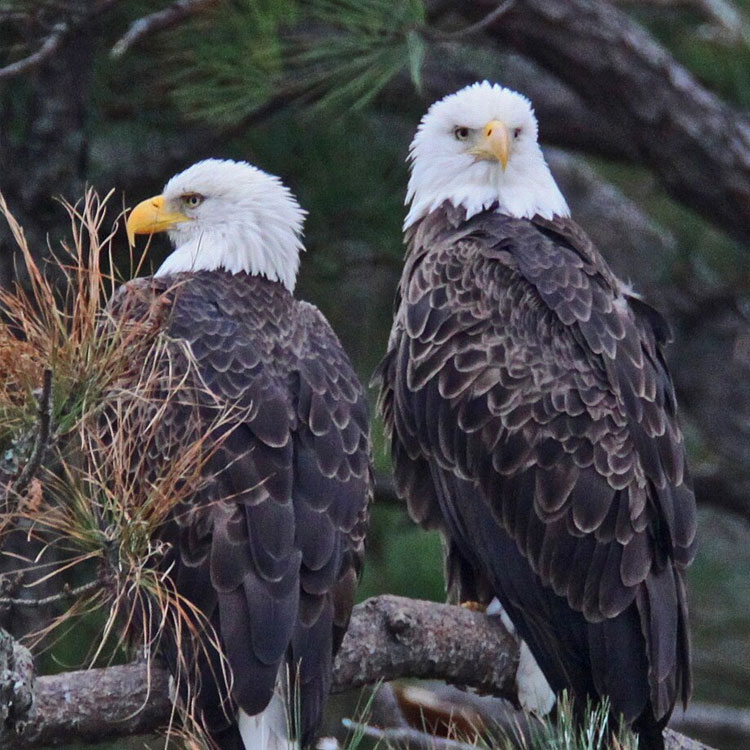
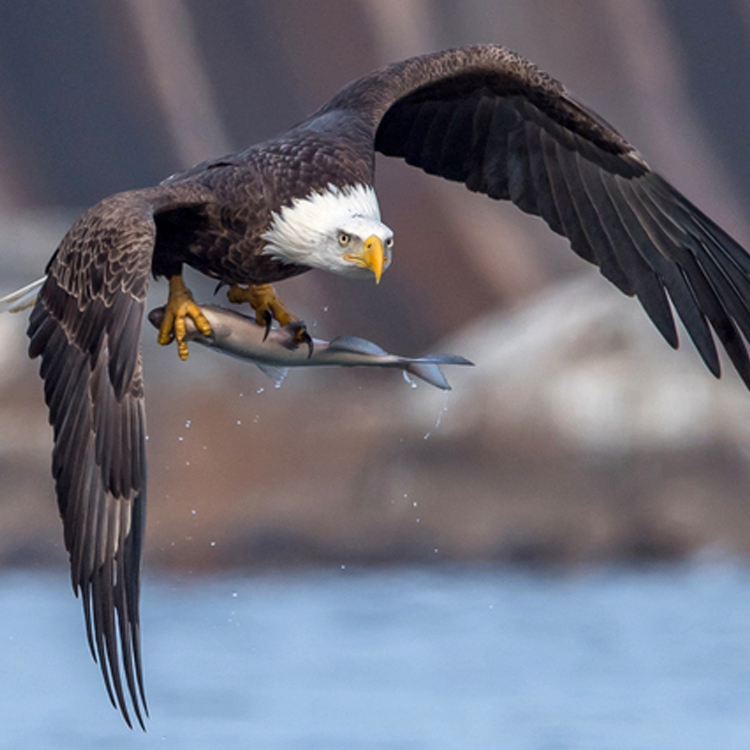
Adult bald eagles have the familiar white head and tail, but immature birds are brown with variable white mottling. Give a large brown bird a closer look before dismissing it—or deciding it must be a golden eagle.
Bald eagles have broad wings usually held fairly flat. Turkey vultures tend to rock in flight with their wings raised in a shallow V.
Bring binoculars; a spotting scope helps across wide water. Scan shoreline trees, open water, and the sky, then pause before moving on. A perched bird can be easy to overlook during a quick glance.
If you enjoy this kind of unhurried outing, our guide to places to enjoy nature in Tennessee offers more ideas for woodland walks, time by the water, and scenic drives.
Most of these outings can involve short stops rather than a long hike. Dress for standing still: gloves, warm footwear, layers, and a warm-up plan help when the wind comes across the water.
Before traveling, check current closures and facilities. For accessibility questions, ask about the particular route, blind, platform, or vehicle you intend to use.
Watch from a distance with binoculars or a long lens. If your approach changes a bird’s behavior, back away. Don’t bait birds, use calls to attract them, or follow them with a drone.
Respect sanctuary boundaries even when birds are visible just beyond them. Those quiet areas protect the feeding and resting habitat that brings winter wildlife here.