
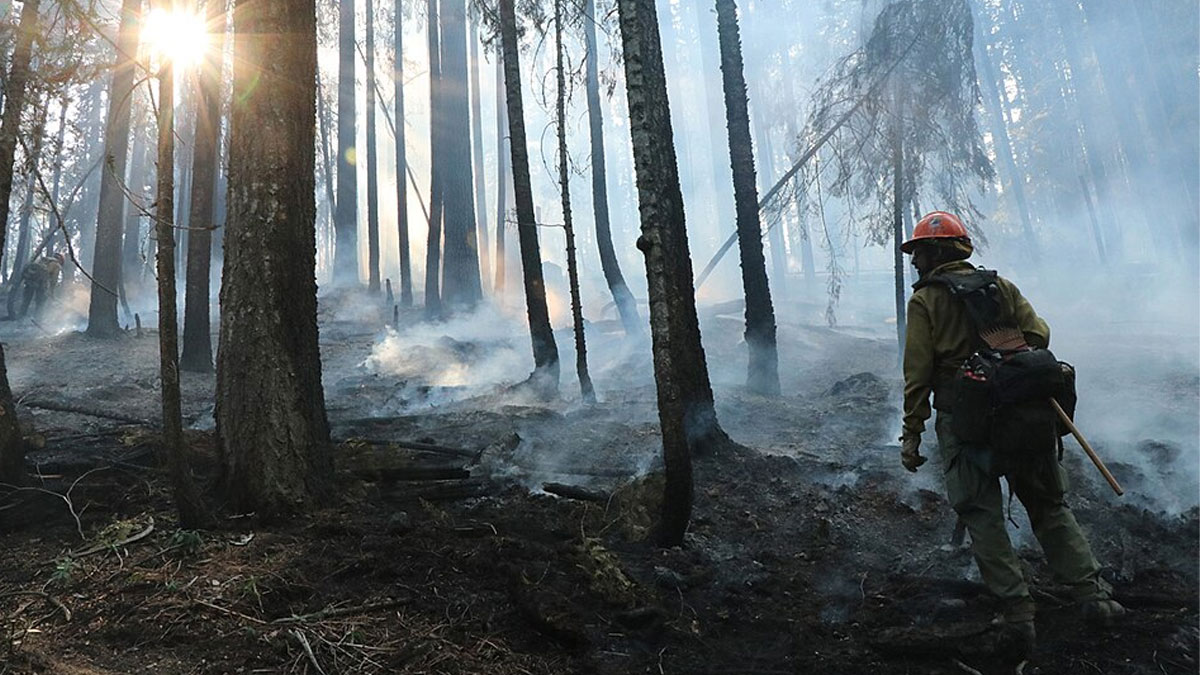

Most of Greene County isn’t even in a drought. A mountain above Baileyton has been burning since Wednesday anyway.
The Caney Creek Lane Fire started Wednesday night in northern Greene County, near Baileyton, and has since crossed into the Beech Creek community of Hawkins County. By Friday evening, reports put it somewhere between 500 and 1,000 acres and 60 to 70 percent contained, depending on which update you caught.
Two Tennessee National Guard Black Hawks joined the fight Thursday. By that evening, TEMA reported that “approximately 31,020 gallons of water” had been dropped in a single day.
Now every leaf pile in East Tennessee has to wait. The Tennessee Division of Forestry has stopped issuing burn permits across all 24 counties in its East Tennessee district, at least through the weekend.
Why Is a County Without Much Drought Burning?
Pull up the U.S. Drought Monitor for Tennessee, and East Tennessee looks like the lucky corner of the state. On the Nov. 17 map, about 72 percent of Tennessee is in moderate drought or worse. A year earlier, that number was under 5 percent.
Greene County? Only about 17 percent of it is in moderate drought. The rest is rated “abnormally dry,” one step short of drought. Hawkins County, where the fire crossed over, has no drought at all, and about three-quarters of it isn’t even abnormally dry.
Our read: the drought map tracks weeks and months of missing rain. A wildfire cares about this afternoon. A carpet of fallen leaves can dry out in one sunny day with low humidity and a breeze, and that’s the exact mix fire chiefs keep naming.
“With dry conditions, low humidity and increased winds, even a small outdoor fire can quickly get out of control and threaten nearby homes, businesses and wooded areas,” Pigeon Forge Fire Chief Josh Carr said, as WVLT reported.
The state’s own numbers back that up. The Tennessee Department of Agriculture says wildfire season peaks in fall and spring, when humidity is low and dry leaves are everywhere. Summer fires are rare because everything is green.
Tennessee averages about 1,000 wildfires a year. “More than 90% of wildfires in Tennessee are caused by human activities, including escaped debris burns,” State Forester Heather Slayton said in October.
A Paused Permit Isn’t a Burn Ban, and That Decides Your Weekend
Even the news coverage mixes these two up. Assistant District Forester Nathan Waters put it plainly to WATE: “There’s not a ban.”
What’s in effect is what the state calls a burn restriction. TDF’s permit page explains that when fire risk climbs, the agency pauses permits, and nobody can do a burn that needs one until the pause lifts. The same page warns that media and local governments sometimes use the words differently.
A ban is a bigger deal. It comes from the Commissioner of Agriculture at the request of county mayors, or from the Governor, and it stops all open-air burning, campfires and grills included.
Here’s what that looks like in your yard.
| What you want to burn | Needs a TDF permit? | OK this weekend (restriction)? | OK under a full burn ban? |
|---|---|---|---|
| Leaf pile | Yes | No | No |
| Brush, limbs or storm debris | Yes | No | No |
| Campfire | No | Yes, unless your city or county says no | No |
| Grilling | No | Yes, unless your city or county says no | No |
| Burn barrel with a 1/2-inch mesh cover | No | Yes, unless your city or county says no | Ask your fire department first |
That “unless” column matters. State rules say local restrictions win, and Gatlinburg and Pigeon Forge have both suspended their own permits.
The $50 Fine Is the Smallest Number in This Story
Burning without a permit during permit season, within 500 feet of woods or grassland, is a Class C misdemeanor under Tennessee’s wildfire laws. The maximum is 30 days in jail and a $50 fine.
That sounds cheap until you keep reading. State law also makes anyone who sets a fire negligently or on purpose civilly liable to the Division of Forestry for what it costs to put out. Leaving a fire unattended within 150 feet of woods is a Class B misdemeanor, with up to six months and a $500 fine.
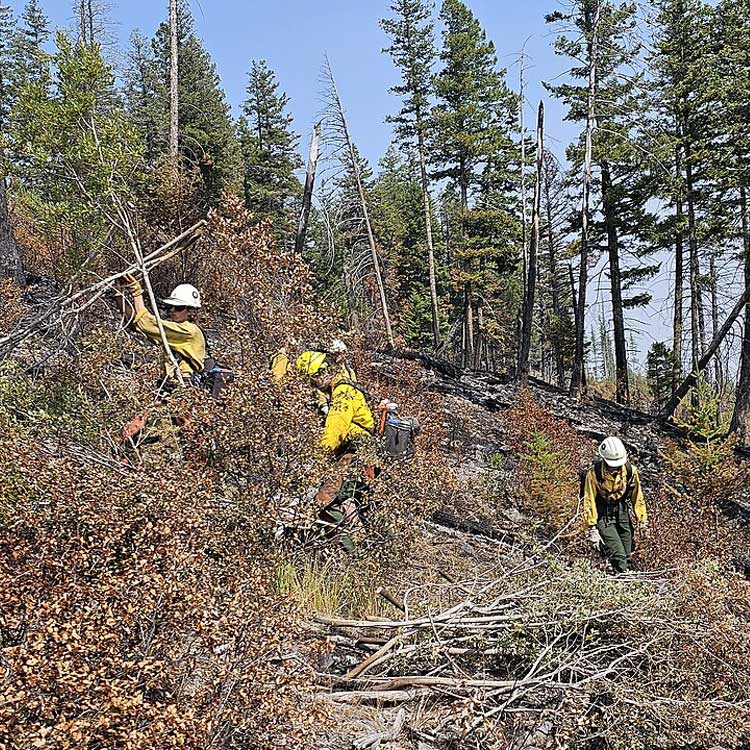
Now picture what’s on that Greene County ridge: dozer lines, wildland crews, volunteer departments and Black Hawks hauling water by the bucket. We don’t know the bill for this fire, and Waters said the cause is still under investigation. But you don’t want your name on a fire like that one.
If the state ever moves to a true burn ban, breaking it counts as reckless burning, a Class A misdemeanor. That carries up to 11 months and 29 days and a $2,500 fine.
Tennessee Has Seen a Steep-Mountain November Fire Before
The details from Greene County sound familiar to anyone in Sevier County. Waters described crews climbing toward a peak where bulldozers can’t reach.
The Chimney Tops 2 Fire was reported on Nov. 23, 2016, in remote terrain with vertical cliffs and narrow, rocky ridges. For days, crews worked to hold it lower on the mountain. Then on Nov. 28, winds gusting up to 87 mph threw embers into Gatlinburg. The after-action review counted 14 people killed and about 2,500 structures destroyed or damaged.
This weekend isn’t 2016. That fall, the Park Service described “exceptional drought,” and gusts hit 87 mph. Friday evening, the National Weather Service in Morristown forecast breezy winds and low humidity Saturday, adding up to “a slightly elevated fire weather concern” in the higher elevations of the East Tennessee mountains and Northeast Tennessee.
Rain won’t bail anyone out, either. Forecasters expect about a tenth of an inch or less for most areas, with better rain chances closer to Thanksgiving.
Smoke Is Reaching People Who Live Miles Away
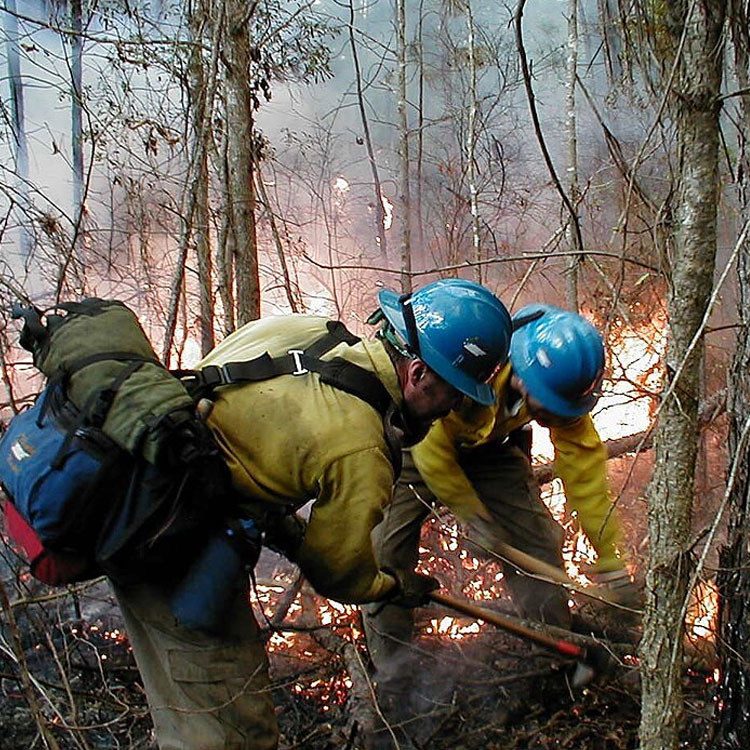
Three Greene County schools closed Friday because of air quality, WCYB reported. Baileyton Elementary had already closed Thursday.
Matt Allen owns Baileyton Drug Company, and his counter is busier than usual. “We’re definitely seeing a lot of people coming in with asthma and COPD,” Allen told WCYB. “They’re needing their extra rescue inhalers, and they’re trying to shelter in place indoors because of the extra smoke.”
Drivers noticed it, too. “Smoke was extremely thick on I-81,” Michael Gibson posted Thursday evening alongside a look at the fire. If you’re heading up I-81 next week, our Thanksgiving driving guide covers what else to check before you leave.
The volunteer departments are watching the houses. “Right now, we’re on standby, my department just to make sure that all the residences are safe and if anything changes that we’re right here and ready,” said Michele Delotto of the Goshen Valley Volunteer Fire Department.
Waters made a pitch for them, too, asking East Tennesseans to stand behind their local volunteer fire departments through fire season.
Your East Tennessee Fire-Weather Checklist for This Weekend
- Leave leaf and brush piles alone until TDF starts issuing permits again. Permits are free, and each one is good for a single day.
- Call your city or county fire department before a campfire or burn barrel. Towns like Gatlinburg and Pigeon Forge can be stricter than the state.
- Keep grills, mowers and anything that sparks away from dry leaves and grass.
- Don’t park or idle on dry grass, and put cigarettes and matches out completely. Pigeon Forge firefighters list both.
- Asthma or COPD at home? Check AirNow before outdoor plans, and refill rescue inhalers before you run low.
- See flames or smoke that shouldn’t be there? Call 911. Report illegal burning to TDEC at 1-888-891-TDEC.
- Headed to the Smokies? Add fire danger to the list, right next to road closures on Newfound Gap Road.
- Once permits return, rake a firebreak at least 3 feet wide through leaves, or 5 feet through tall grass or brush. Keep piles small, and stay with your fire until it’s dead out. In Tennessee, that’s the law.
For more on what can go wrong outside, from copperheads to flash floods, see our guide to Tennessee’s outdoor hazards.
More from Real Tennessee Life…

Tennessee Returned a Record 169,303 Unclaimed Property Claims. So Why Did the Checks Get Smaller?

Three Liver Transplants in 12 Hours: How Vanderbilt’s Team Did It and Why Nashville’s Transplant Center Is the Nation’s Busiest