
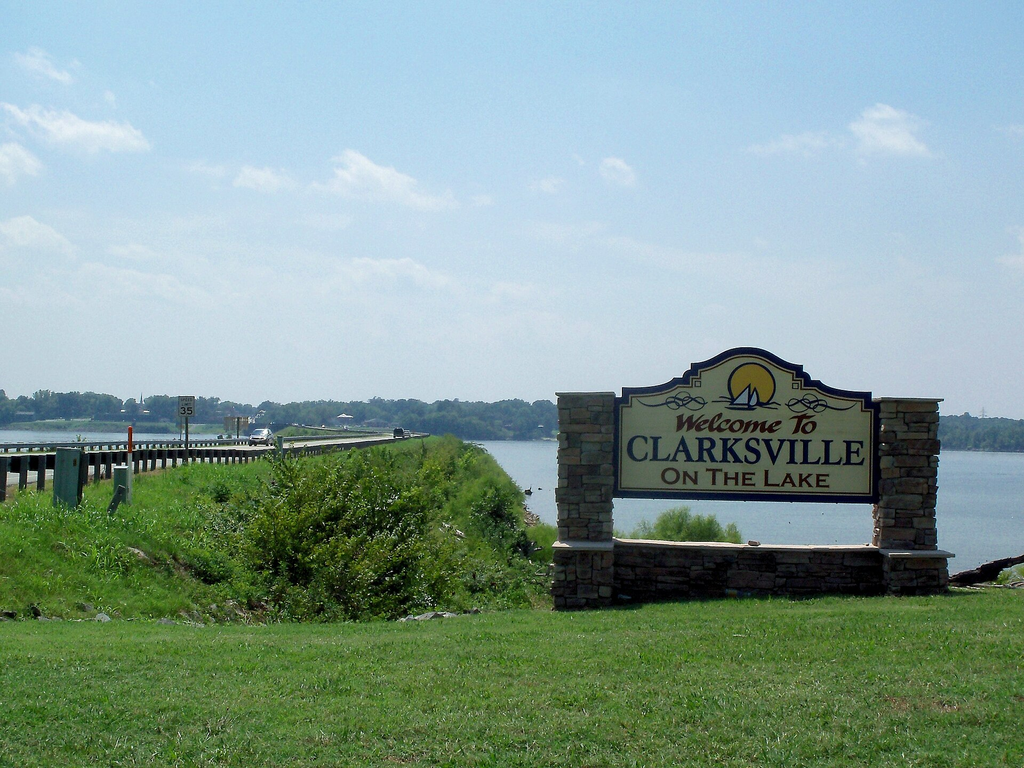
In 1978, a new zinc refinery started up beside the Cumberland River in Clarksville. It was built to run on ore from zinc mines in Smith County.
A year later, Tennessee led the nation in zinc production.
Nearly 50 years on, that same pairing of a Clarksville refinery and Gordonsville mines is at the center of the largest private investment ever announced in Tennessee: Korea Zinc’s $6.6 billion plan.
For Gordonsville, it’s the third shot at mining jobs in about a decade. For everyone else, here’s what’s being built, who could get hired, why it matters to the electronics in your pocket, and what Tennessee learned from its last record-breaking deal.

A 1978 Plan Gets a $6.6 Billion Second Life
The Clarksville smelter opened in 1978 as a joint venture between New Jersey Zinc and Belgium’s Union Minière. Its owners were developing the Gordonsville mine at the same time, specifically to feed the new refinery. Mine in Smith County, metal in Montgomery County.
That system ran for decades under several owners, most recently Nyrstar, which has described Clarksville as the only primary zinc producer in the United States. In April 2026, Korea Zinc bought Nyrstar’s U.S. mines and smelter, and the existing plant keeps running while a far bigger one is planned around it.
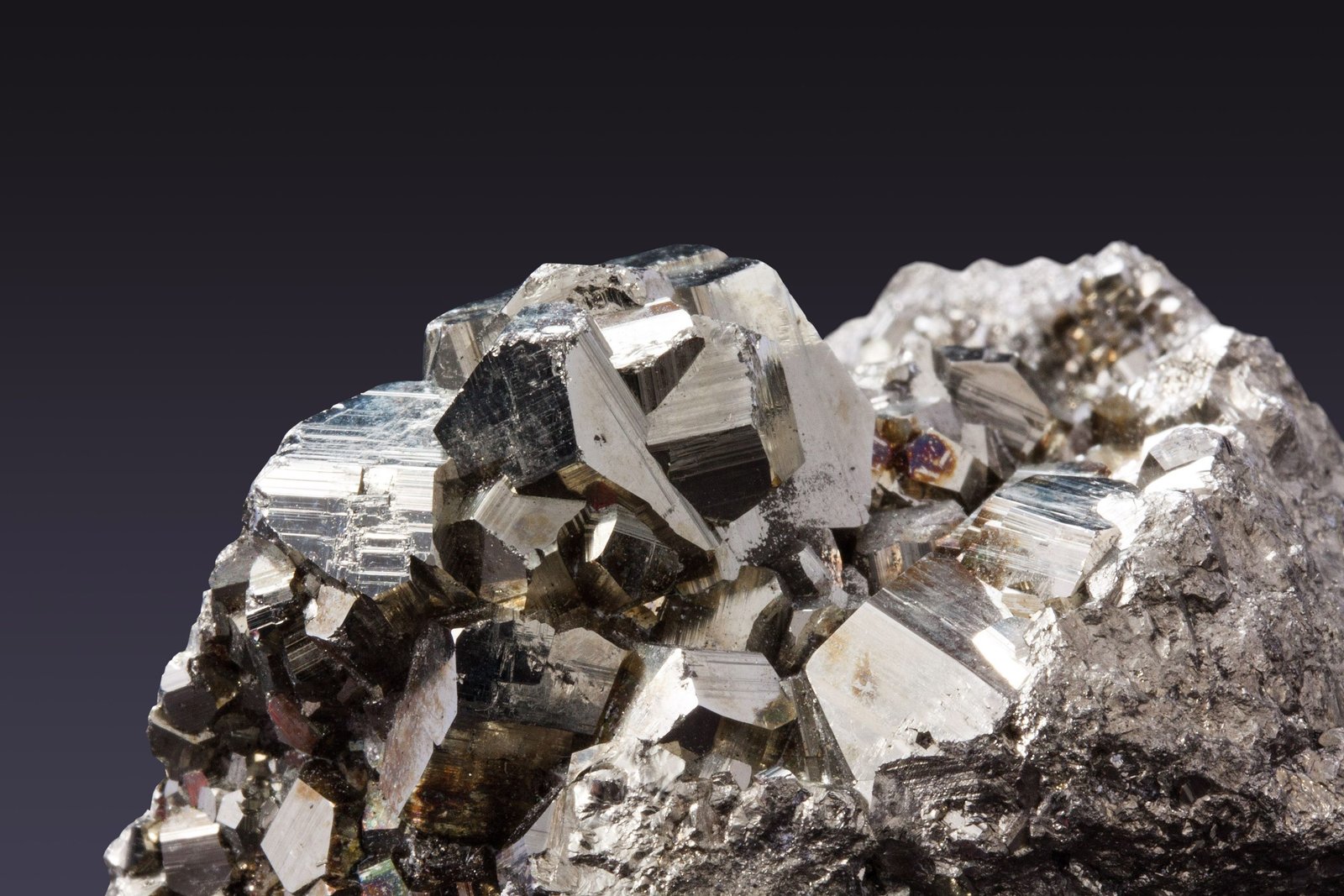
What a smelter does: It takes mineral concentrates, the crushed and processed ore from mines, and refines the valuable metals out of them. The expanded Clarksville complex is designed to produce several at once:
- Zinc, which coats steel so it doesn’t rust, from cars to guardrails to roofing
- Copper, for wiring, motors, and nearly everything electric
- Gallium, germanium, and indium, in small amounts, for computer chips, fiber-optic lines, specialized electronics, and screens
The key difference from the old plant is recovering many metals from the same material, including by-products older technology couldn’t handle well.
Gordonsville’s Third Shot at Mining Jobs
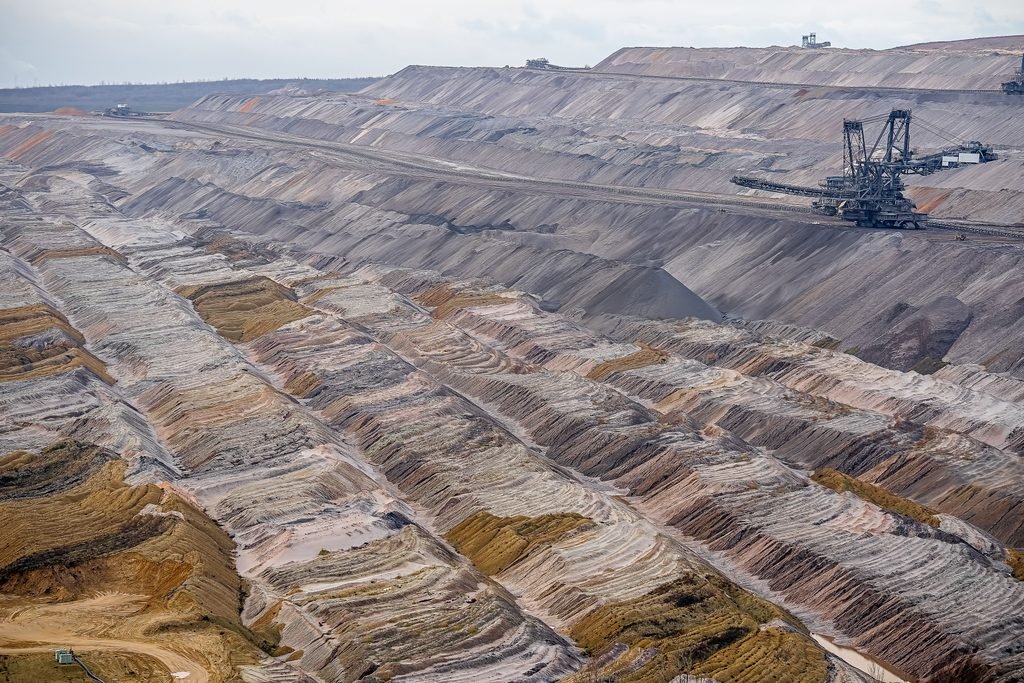
Smith County has watched its mines go quiet twice in about a decade.
- December 2015: With zinc prices down, the Gordonsville mining operation filed a state layoff notice covering 692 workers.
- November 2023: The mines came back, then paused again. Nyrstar blamed weak market conditions and rising costs, and the state layoff notice listed 300 workers.
When it announced that 2023 pause, Nyrstar said the mines would restart once it was economically viable, or once planned gallium and germanium production in Clarksville came online. That second condition is now the heart of Korea Zinc’s plan.
The company expects to create 320 new jobs in Smith County tied to reopening the mines. No reopening date has been set yet.
For a town of Gordonsville’s size, a few hundred mining jobs coming back for a third time isn’t a statistic. It’s neighbors returning to work. If you or someone in your family worked those mines, we’d like to hear what this news means to you. Tell us in the comments.
Why Two Obscure Metals Made Clarksville a National Priority
You’ve probably never bought gallium or germanium. But the chips, fiber-optic lines, and electronics you use every day depend on them, and almost all of the world’s supply comes from one country.
- China produces about 98% of the world’s primary gallium and about 91% of its primary germanium.
- In December 2024, China banned exports of both metals to the United States, which led to shortages for companies making semiconductors and fiber-optic cable.
- China later suspended that ban, but the suspension is set to run only until November 27, 2026.
That’s why a Tennessee refinery that can recover these metals as by-products of zinc matters well beyond Clarksville, and why federal agencies are helping fund it.
740 New Jobs, With Clarksville Pay Projected Up to $196,000
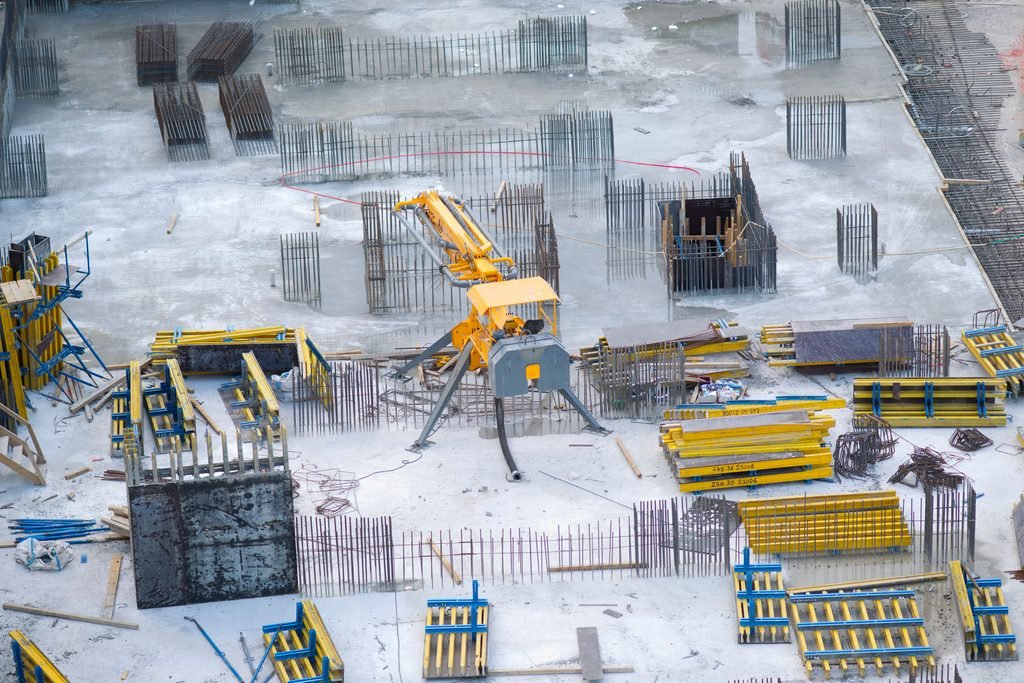
Korea Zinc plans 740 new jobs over roughly five years:
| County | New jobs | Tied to |
|---|---|---|
| Montgomery County | 420 | The Clarksville refinery |
| Smith County | 320 | Reopening the Gordonsville mines |
The roughly 300 to 320 people already working at the Clarksville smelter are expected to stay on. They’re separate from the 740 new jobs.
During Montgomery County’s 2026 incentive talks, the company shared projected pay for the 420 new Clarksville positions:
| Position type | Number | Projected annual salary |
|---|---|---|
| Office and production | 271 | $83,000 |
| Installation and maintenance | 112 | $100,000 |
| Management | 37 | $196,000 |
These are projections, not job offers, and they don’t cover the Smith County mining jobs. Counting suppliers, contractors, and other spin-off work, Montgomery County’s own projections reach about 1,464 total jobs.
Why Korea Zinc Picked Clarksville After Looking at 18-Plus Sites
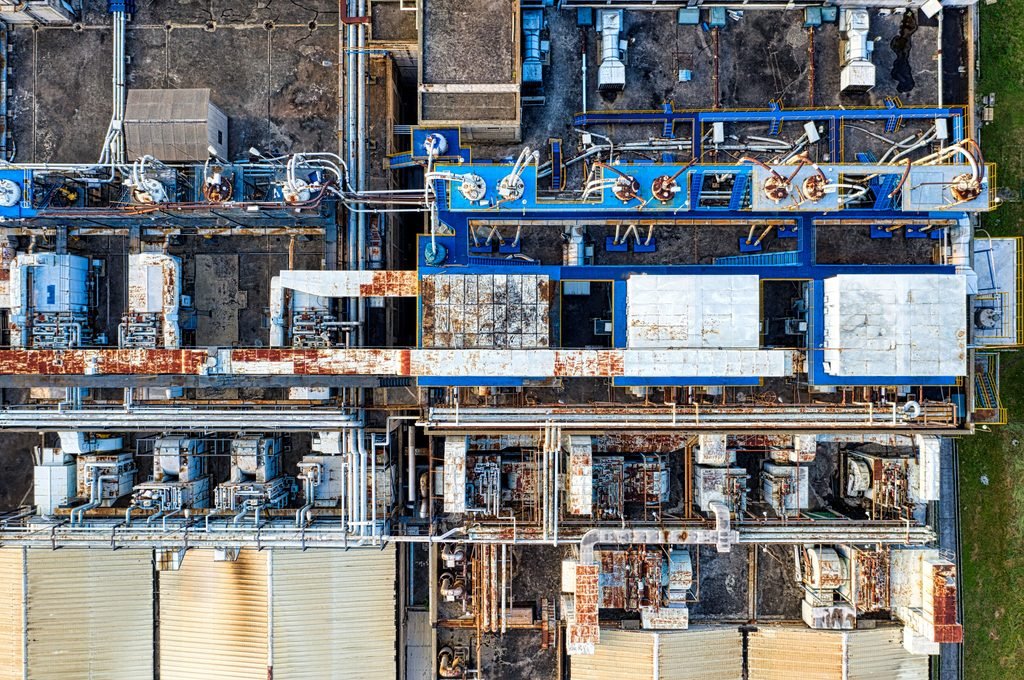
A project representative said at an August 2026 local economic development meeting that the company had studied more than 18 sites across several states. Clarksville came out ahead on five things:
- A working plant. Buying an existing smelter meant equipment, infrastructure, and employees who already know the work.
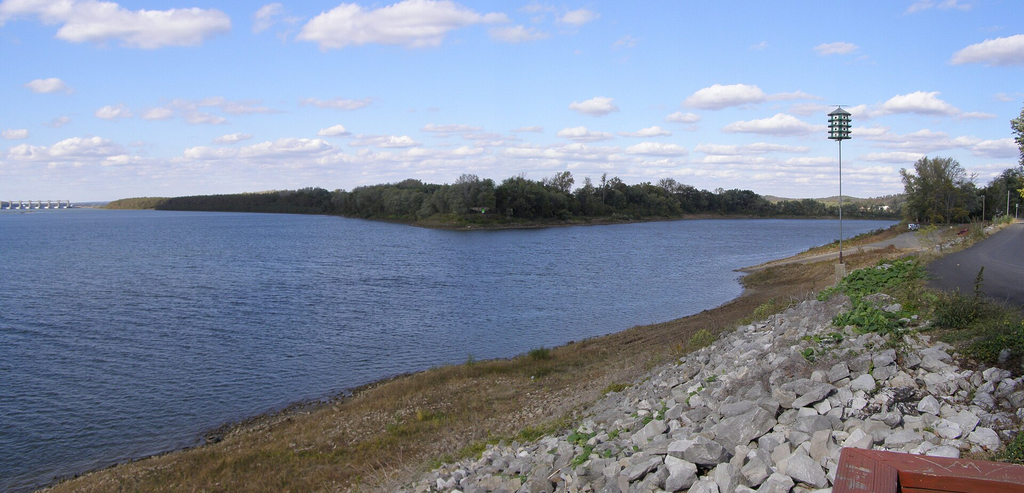
- Three ways to move freight. Interstate 24, rail, and the plant’s own spot on the Cumberland River let raw materials and finished metal travel by truck, train, or barge.
- Power. Smelting uses enormous amounts of electricity, and the company pointed to the region’s power costs and infrastructure.
- People. Local economic development leaders say about 300 soldiers leave the military at nearby Fort Campbell every month, a steady supply of workers looking for a next career. (Tennessee also passed a 2026 law that gives a fee break to service members stationed far from home.)
- Government backing at the state, county, and federal levels, covered below.
What Tennessee’s Last Record-Breaker Can Teach Us
Korea Zinc’s $6.6 billion tops the record set in 2021, when Ford and SK On announced $5.6 billion for BlueOval City in Stanton. That project is a useful reality check.
What was promised: Ford pledged 5,800 jobs in exchange for a state incentive of nearly $1 billion, with electric trucks rolling out in 2025.
What happened: Delays, a shift in strategy, and the end of Ford’s battery partnership with SK On pushed everything back. Five years later, Ford now plans to build gas-powered trucks at the renamed Tennessee Truck Plant starting in 2029, and the battery side laid off 150 workers in March 2026. Ford still has time to meet its jobs promise, since the state agreement gives it 10 years to reach at least 90% of the 5,800 jobs.
How Korea Zinc is different:
- It bought a plant that’s already running, with workers already on the payroll.
- It isn’t betting on a brand-new consumer product. Zinc and copper are long-established markets.
- Federal agencies are partners in the project, not just cheerleaders.
What could still slow it down:
- Metal prices. Weak zinc prices are exactly what closed the Gordonsville mines in 2015 and 2023.
- Permits. Several federal approvals are still in process, with a timeline that runs into 2028.
- Trade. The gallium and germanium case depends partly on global supply, which can shift.
The takeaway: a record announcement is a promise, not a finished plant. The numbers to watch are actual hiring, construction, and production.
Who’s Helping Pay for It
Tennessee’s official announcement calls this the largest single private corporate investment in state history. Two numbers matter: $6.6 billion is planned capital spending, while the company puts the full project at about $7.4 billion including financing and working capital.
Public support comes in several forms:
| Source | Support |
|---|---|
| State of Tennessee | $45 million FastTrack grant, tied to investment and hiring commitments |
| U.S. Department of Commerce | $210 million CHIPS funding award |
| Federal government | Loans and an equity stake in the project’s financing |
| Montgomery County | A 20-year property tax agreement that phases in taxes while requiring payments |
A loan isn’t a grant, and an equity stake isn’t a tax break. The $6.6 billion isn’t taxpayer money, but the project isn’t free of public support either.
A City Already Bursting at the Seams
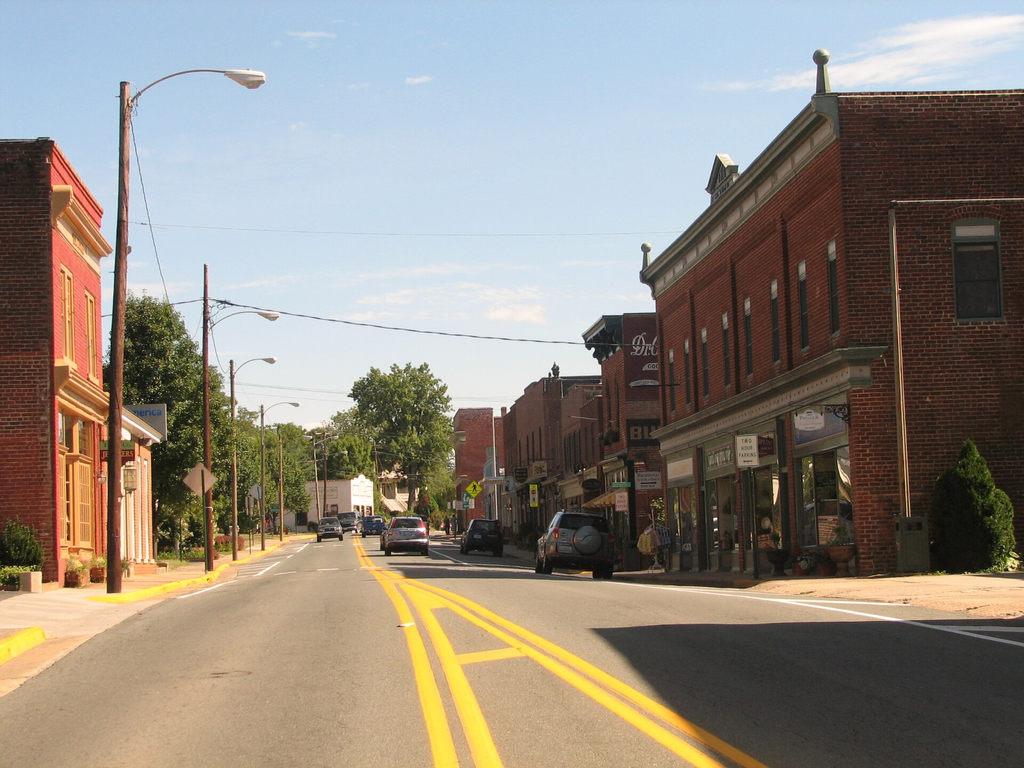
Korea Zinc is landing in one of Tennessee’s fastest-growing cities. Clarksville’s population has doubled since 1995, and it’s close to passing Chattanooga as the state’s fourth-largest city. One local realtor summed up the mood: it’s “growing pain season.”
New high-paying jobs are good news for families. They also mean more demand for housing, roads, and schools in a city already racing to keep up. Statewide, growth has gotten fast enough that plenty of Tennesseans say the state is already full.
Some infrastructure is already moving. Tennessee’s 2026 budget includes $40 million for bridge work in Montgomery County near the plant, which local reporting ties to the Cunningham Bridge on Zinc Plant Road over the Cumberland River. Federal filings describe that work as independent of the refinery, but it serves the same industrial corridor. The plant will also need major new electrical service and a proposed natural gas line.
Nothing This Big Opens Before 2029
- 1978: The Clarksville refinery opens, fed by Smith County zinc.
- 2015 and 2023: The Gordonsville mines shut down, then shut down again.
- December 15, 2025: Korea Zinc announces the $6.6 billion investment.
- April 2026: Korea Zinc launches Project Crucible and completes its purchase of Nyrstar’s U.S. mines and smelter.
- August 2026: Engineering and site preparation are underway.
- September 2026: Federal officials complete a major environmental assessment with a Finding of No Significant Impact.
- 2027: Major new construction is scheduled to start.
- Through 2028: Remaining federal permits work their way through.
- 2029: New equipment is tested and brought online.
- 2030: Fuller commercial operations are targeted.
How to Position Yourself for One of These Jobs
The hiring will come in waves over several years, which gives job seekers time to prepare.
Know where the jobs are. Production and office roles make up the biggest group, but the 112 installation and maintenance positions are projected to pay more, at $100,000. Industrial maintenance skills, like electrical, mechanical, and equipment repair, are a strong bet.
Look at local training. The Tennessee College of Applied Technology campus in Clarksville already offers advanced manufacturing pathways, including industry certifications like Certified Production Technician. Credentials like that show employers you can work safely in a plant.
Veterans have an edge. Fort Campbell’s steady stream of transitioning soldiers is one reason the company chose Clarksville. Military experience in maintenance, logistics, or equipment operation translates well.
Former miners, stay ready. If you worked the Gordonsville or Elmwood mines, your experience is exactly what a reopening needs. Watch for Smith County hiring announcements.
Follow the official sources:
- Crucible, Korea Zinc’s U.S. project company, for career postings
- The Clarksville-Montgomery County Economic Development Council job board
- Tennessee Department of Economic and Community Development announcements
- The federal Project Crucible permitting dashboard for construction and permit progress
In 1978, Tennessee built a pipeline from Smith County mines to a Clarksville refinery. Whether its second life delivers will show up in the next few years, one hiring wave at a time.
Details via the Tennessee Department of Economic and Community Development, WSMV, and local and federal project filings.