
You’ve heard these musicians thousands of times. You just probably don’t know their names.
That’s the whole idea behind the Musicians Hall of Fame and Museum in downtown Nashville. It sits a little off the beaten tourist path, which is exactly why so many visitors miss it. I visited recently and came home with a phone full of photos of guitars, drum kits, and one stage that a young Jimi Hendrix used to play on.
Here’s what I saw and what to know before you go.
Getting There Was the Easy Part
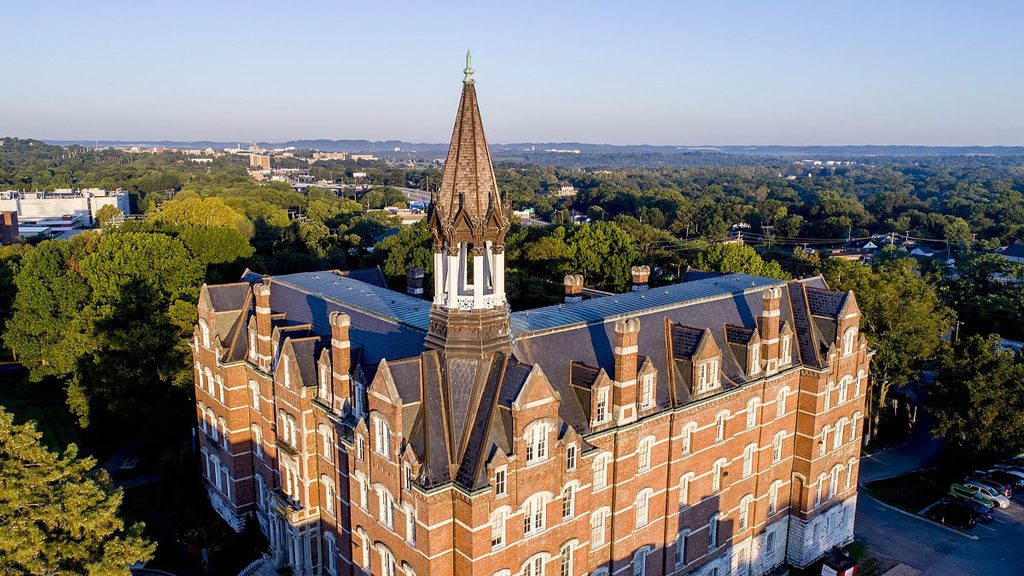
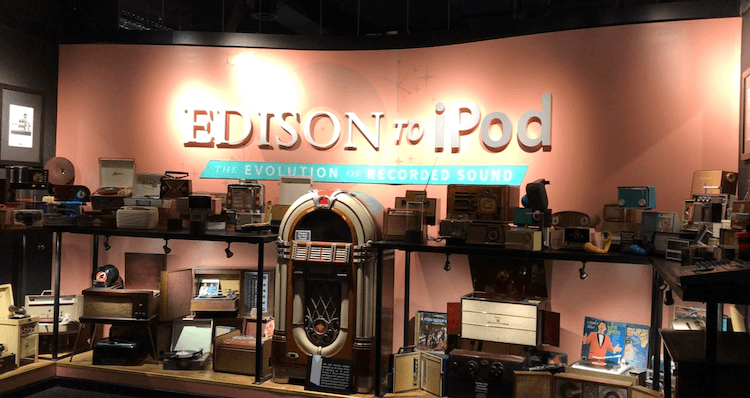
The museum is on the first floor of the historic Municipal Auditorium, about a 10- to 15-minute walk from Broadway. If you’d rather not walk, the Hop On Hop Off trolley stops right there.
You can just hop off, see the museum, and hop back on. It makes the visit really easy.
As soon as I walked in, a short video set the stage for what I was about to see. That’s when it clicked for me how different this place is from other music museums.
We all know Elvis, Glen Campbell, Dolly Parton and the Eagles. This museum puts the spotlight on the studio musicians, producers and songwriters who played on all those big hit records, the people you don’t necessarily know by name.
A Museum Organized by City
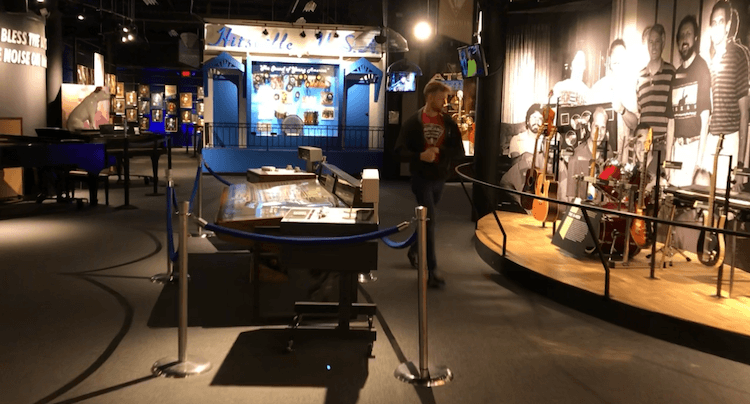
The museum is laid out by the places where the music was made: Nashville, Los Angeles, Detroit, Muscle Shoals and more. Each section features the session players and the gear behind that city’s sound.
The Nashville section was my highlight. You’ll learn about the A-Team, the session players behind the Nashville Sound of the 1950s and 1960s, who backed artists like Elvis Presley and Patsy Cline.
I got to learn about Garth Brooks’ studio band, the G-Men, and see the actual recording console and instruments used on a lot of his biggest hits.
From there, the museum moves to Motown, where Detroit’s Funk Brothers are often credited with playing on more No. 1 hits than the Beatles, Elvis, the Beach Boys and the Rolling Stones combined. Then it heads to Los Angeles and the Wrecking Crew, the session players behind records by the Beach Boys, Frank Sinatra, and countless others.
I really enjoyed seeing instruments from studio musicians like Glen Campbell, before he became a star, and Don Felder of the Eagles. There’s also a lot of gear from the Wrecking Crew.
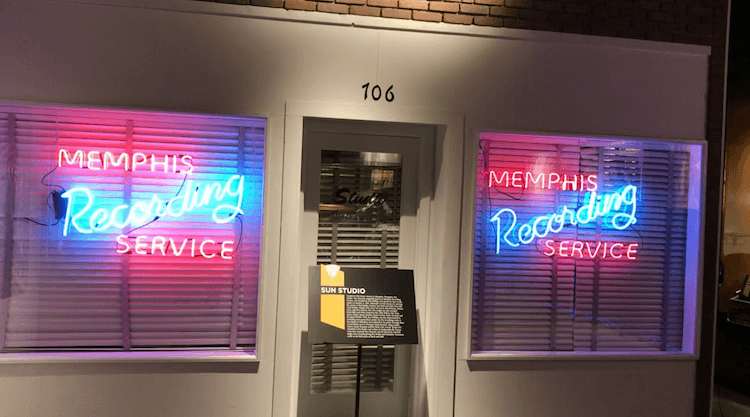
One of the coolest things I saw was a piece of history from American Sound Studio in Memphis, where Elvis himself recorded. It was salvaged and now lives in the museum.
The Stage Jimi Hendrix Played On
This is the exhibit I’d send any music fan straight to.
A lot of people don’t realize that Jimi Hendrix got his start right here in Nashville. He played at a club called the Jolly Roger, and when that club was torn down, the museum’s founder saved the stage.
Joe Chambers, the museum’s founder, was a songwriter, producer and musician here in Nashville himself. Standing in front of that stage, you’re looking at a real piece of Nashville music history.
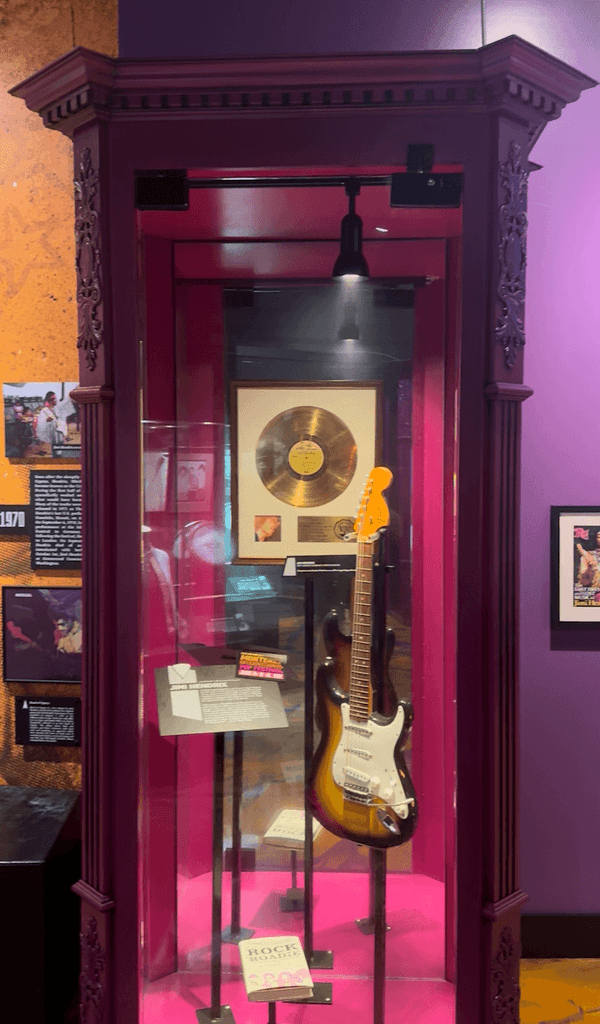
Even the entrance is a nice touch. Guitars line the way in while “Purple Haze” plays. Inside, you’ll find artifacts tied to Hendrix’s band, including Billy Cox, and incredibly, even a tie that belonged to Jimi Hendrix himself.
Glen Campbell and Johnny Cash
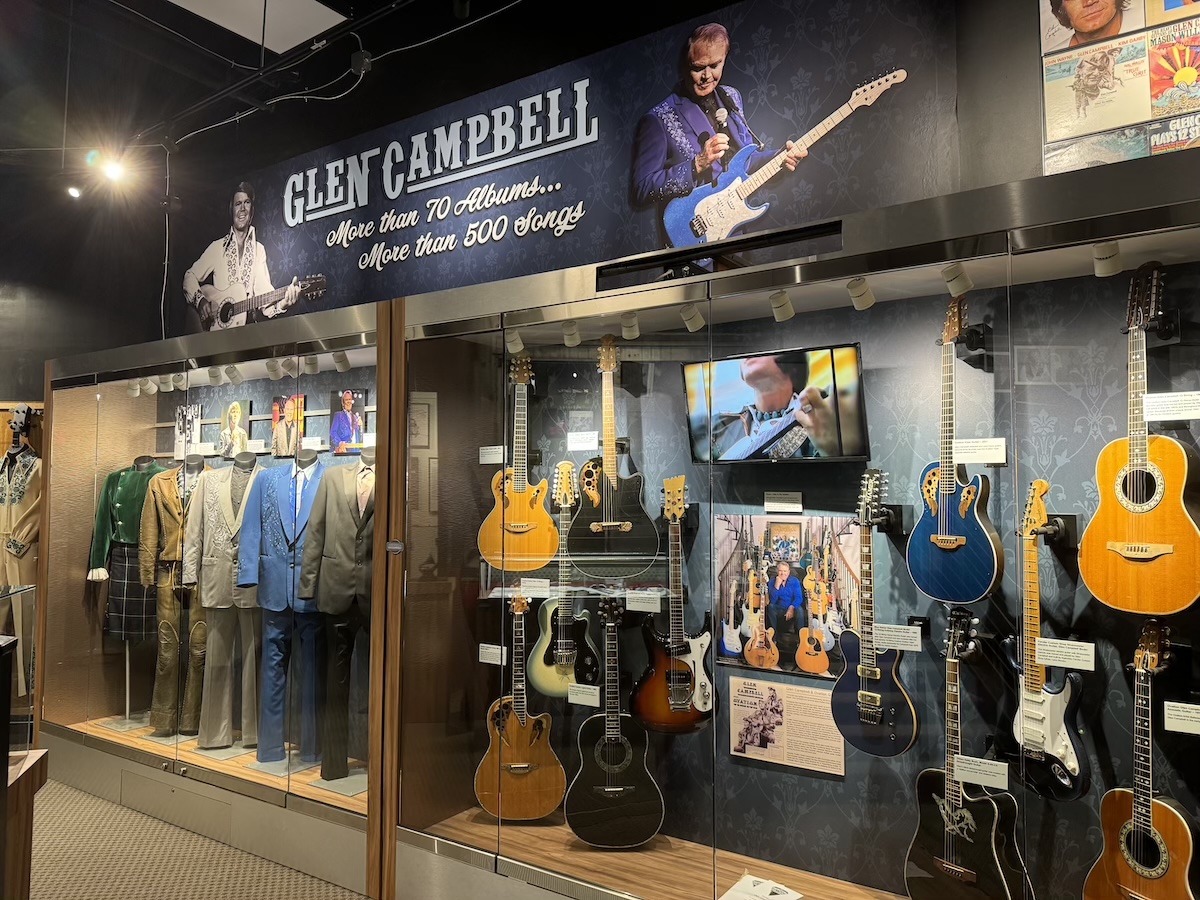
If you’re a Glen Campbell fan, plan to linger. The museum has an expansive exhibit of his outfits, artifacts and memorabilia, all the way down to his passports and jewelry.
There’s also a lot of Johnny Cash memorabilia, including guitars, which I really, really liked.
Ringo Starr’s Shea Stadium Drum Kit
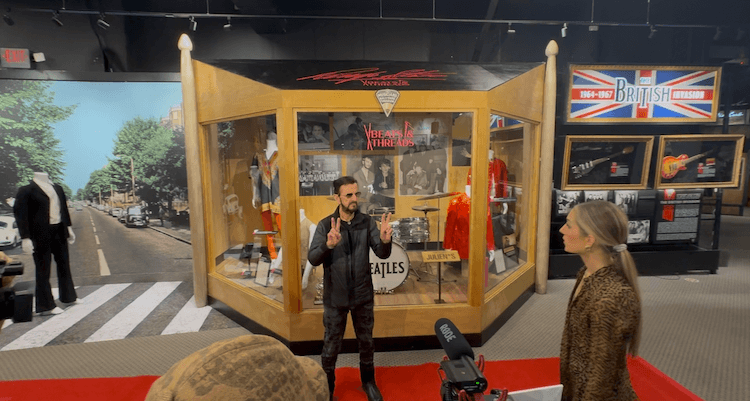
One of my absolute favorite stops was the Ringo Starr exhibit, “Beats & Threads.” It celebrates his career, his drumming and his very distinct sense of style.
It includes the 1965 Shea Stadium Ludwig drum set. Look up the Shea Stadium show on YouTube, and you’ll see the same kit.
The exhibit follows Ringo’s clothing from his early days with the Beatles through his solo career, along with rare photos and behind-the-scenes pieces that follow him from a young Liverpool drummer to a worldwide star.
Ringo himself opened the exhibit at the museum in February 2025. Special exhibits can rotate, so check the museum’s website before you go if this is the one you’re coming for.
The GRAMMY Museum Gallery Is Where Kids Light Up
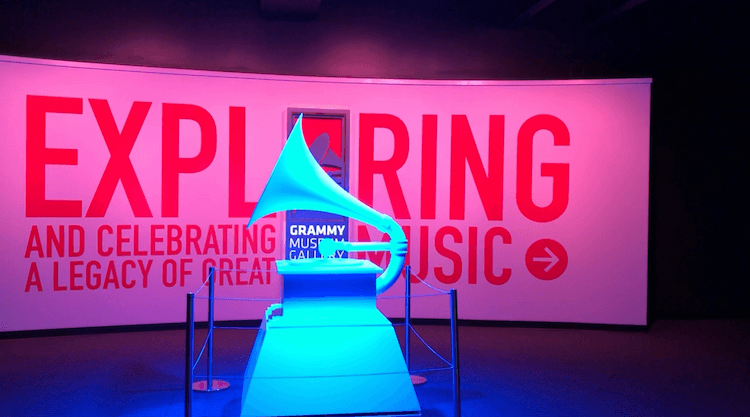
One of the biggest draws is the GRAMMY Museum Gallery, an interactive space that’s included with admission.
Kids absolutely love it, and it’s set up to welcome school groups of all ages.
Here’s what you can do:
- Sing along to Ray Charles songs
- See how songs are recorded and produced
- Learn how a GRAMMY is made
- Play on a stage with real guitars and pianos
- Walk through the history of the GRAMMY Awards
Because the whole museum is indoors and affordable for families, it’s one of my go-to recommendations for a rainy day in Nashville.
Things You Won’t Expect
The staff were really friendly, and the museum has plenty of surprises tucked between the big exhibits. One that stood out was a Corvette that belonged to Roy Orbison. Yes, a whole car, inside a music museum.
My Verdict
I highly recommend it. Nashville is Music City, and it doesn’t get much more Music City than this.
If you want to go beyond the big names and really see what made Nashville Nashville, you have to check out the Musicians Hall of Fame and Museum.
If you’re putting together a list of Nashville stops, add this one next to Tennessee locals’ favorite places to visit.
Plan Your Visit
Where: 401 Gay Street, on the first floor of the historic Nashville Municipal Auditorium. The entrance is on Musicians Way.
Getting there: About a 10- to 15-minute walk from Broadway, or hop off at the museum’s Hop On Hop Off trolley stop.
Hours: Monday through Saturday, 10 a.m. to 5 p.m. Closed Sundays, plus Christmas Eve, Christmas Day and New Year’s Day. Check the museum’s site before you go, since special events can change the schedule.
How long: Plan on about 1½ to 2 hours to see everything without rushing.
Tickets: Admission includes the GRAMMY Museum Gallery. Buy online for a faster check-in, or at the ticket counter. Caregivers of visitors with disabilities get in free. Current prices are on the museum’s official website.
Best for: Music fans, families, school groups and rainy days.