
She turns 60 in March. The spring semester starts in January.
In Tennessee, that kind of calendar math can be the difference between sitting in on a college class without paying tuition and getting a regular bill.
State law lets older Tennesseans audit or, later, take courses for credit at state-supported colleges and universities for little or no tuition. The ages, the fees and the fine print are specific, and the fine print is where people get surprised, the same way they do with other quiet Tennessee rules that affect daily life.

At 60, you can sit in without paying tuition
If you are domiciled in Tennessee and you will turn 60 during the academic quarter or semester when classes begin, you may audit courses at a state-supported college or university without paying tuition, maintenance fees, student activity fees or registration fees.
That wording matters. A woman who turns 60 in March can qualify for a spring semester that starts in January, because her birthday falls during that term.
Audit means you are in the room learning. You are not taking the class for credit.
The same audit benefit also applies to people with a qualifying permanent total disability, and to people who retired from state service with 30 or more years, regardless of age.
There is a catch, and it is written into the law: a campus can limit or deny the seat based on space in that individual classroom. This is not a guaranteed chair in every popular course.
At 65, you can take it for credit
At 65, the door opens wider. If you will turn 65 during that term, and you are domiciled in Tennessee, you may enroll in courses for credit without those same tuition and fees.
Campuses may charge a records service fee, capped at $70 a semester, or $45 a quarter. That fee is for keeping your student records, not a back-door tuition charge.
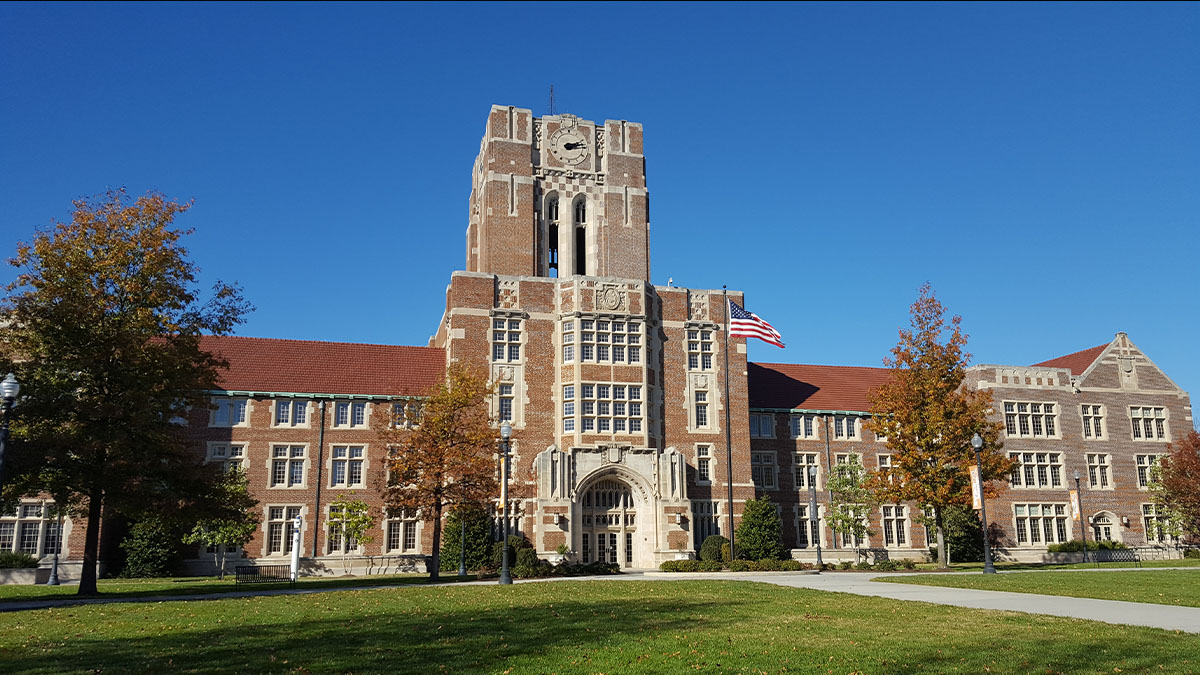
The legal text is in Tennessee Code section 49-7-113. Middle Tennessee State University also posts the statute and its own steps on its senior adult discount page.

The parts that trip people up
This waiver does not apply at medical, dental or pharmacy schools.
It also does not wipe out every cost. MTSU, for example, says students still pay for materials, online or distance-education charges, specialized course fees, study-abroad fees, flight training and books. There is a separate application fee to be admitted: $25 for undergraduate applicants and $50 for graduate applicants, on that campus.
MTSU also says the reduced rate will not be applied during priority registration because of the space-availability rule. Senior adult students there register on a later date listed for fee-waiver participants, and they submit a form each semester by the fee payment deadline, with proof of age.
Other campuses will have their own forms and calendars. Call the registrar or bursar where you want to go and ask for the senior or disabled-and-elderly waiver process. Do not assume the MTSU dates apply at UT, a community college or a different state university.
If you are already lining up other official Tennessee to-dos, we have explainers on the January 1 vehicle registration change and on how to search Tennessee’s unclaimed property database and file a free claim.
The Real Tennessee take: We like this law because it treats learning like something that does not expire at retirement. It will not cover your books or every course fee, and you may not get a seat in the most popular class. But a semester of history, art or Spanish at a state school, for no tuition or a small records fee, is one of the better deals Tennessee offers its own people.
If you are close to 60 or 65, the useful move is simple: look up the term dates at the school you want, look at your birthday, and call that campus before registration fills the room.