
The elevated lanes getting attention in West Knoxville would cover about two miles. Most of the proposed paid lanes would stay on the ground.
For drivers, the bigger question is whether either proposal would improve the stretch they actually use.
Tennessee transportation officials are considering additional regular lanes or an optional paid-lane system along the I-40/I-75 corridor. Neither approach has been approved for construction. Public comments close Thursday, November 26, 2026, which is Thanksgiving Day.
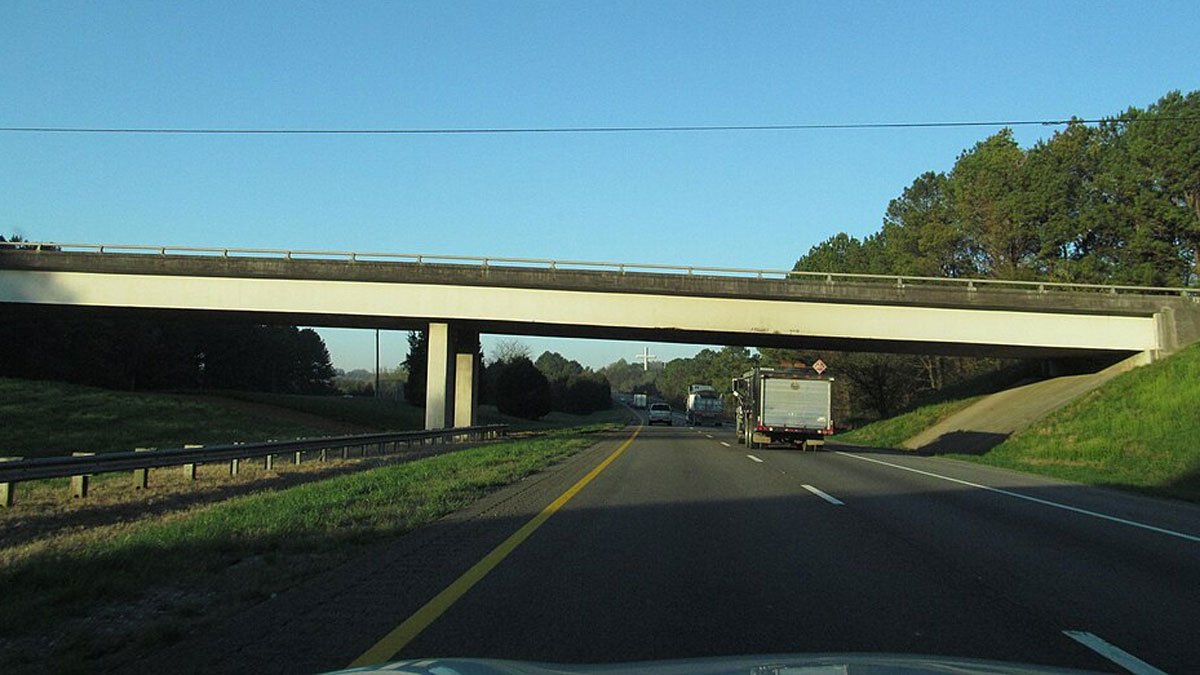
The study covers roughly 17 miles between the interstate split in Loudon County and I-640 in Knoxville.
A driver making a short trip near Campbell Station Road has different needs from someone traveling across West Knoxville. A household beside the interstate has another set of concerns altogether. Here is how to compare the plans against your own trip, budget, and neighborhood.
What Each Proposal Would Add
TDOT’s official corridor page describes two recommended alternatives:
| What to compare | General-purpose widening | Choice Lanes |
|---|---|---|
| New lanes | Generally one regular lane in each direction | Two managed lanes in each direction |
| Payment | No additional toll for the regular lanes | Demand-based prices for the new lanes; existing lanes remain free |
| Main proposal limits | Westbound starts just west of the interstate split; eastbound starts at Watt Road. Both continue to Middlebrook Pike | Just west of the interstate split to Middlebrook Pike |
| Elevated Choice Lane section | Not part of this alternative | About two miles, from east of Cedar Bluff Road to east of Papermill Drive; mostly ground-level elsewhere |
| Useful question | How would widening change my merging area and daily trip? | Could I enter and leave the paid lanes where I need to, and what happens to the free lanes? |
The elevated section is intended to reduce property impacts around the interchanges. That explains the design choice, but nearby residents should still examine how the structure would relate to their homes and streets.
Also for Tennessee drivers: our guide to the January 1 vehicle registration change explains a separate change to prepare for.
Judge the Trip You Make, Including the Free Lanes
Counting lanes is an easy comparison. It is also incomplete.
For a short local trip, the location of a paid-lane entrance could matter more than the system’s overall length. A driver needs to know whether using it would fit the journey between their usual entrance ramp and exit.
For a longer commute, compare the full trip in both directions. A quicker stretch of interstate would have less value if a difficult transition near the destination consumed the time saved.
And for households that would rarely pay, the performance of the free lanes should be central to the comparison.
TDOT describes Choice Lanes as a way to offer more reliable travel times. That makes two questions worth asking separately: how would the paid lanes perform, and how would the regular lanes perform under the same conditions?
A forecast for the paid lanes alone would not tell a nonpaying driver what to expect.
Readers reviewing traffic projections should look for comparable times of day, directions, and future years. A morning eastbound forecast and an afternoon westbound forecast answer different questions. So do a corridor-wide average and a forecast for the stretch between your exits.
For the widening option, timing also matters. WVLT’s reporting on the study identifies priority work between Watt Road and Campbell Station Road, Campbell Station Road and Pellissippi Parkway, and Papermill Drive and I-640, plus reconstruction of the I-640 interchange. Widening between Pellissippi Parkway and Papermill Drive would follow in later phases.
That raises a practical question: what would your trip look like after the first phase, before the rest was built?
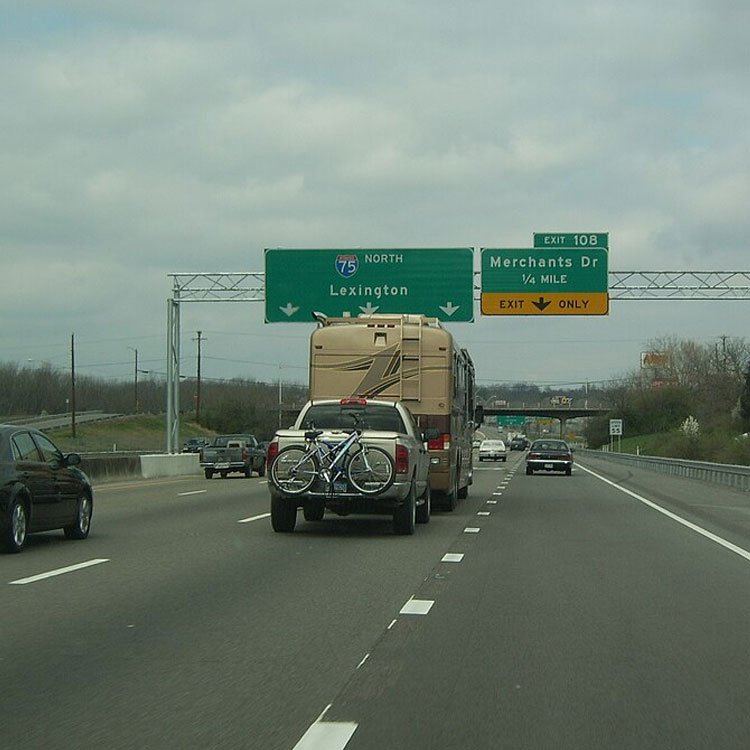
The Merging Problem Deserves Its Own Answer
In an earlier voluntary TDOT survey, 96% of the 2,232 respondents answering the roadway-conditions question reported congestion. Another 74% identified a high number of semi-trucks, and 41% reported insufficient merging lanes.
People could pick more than one answer, and it was a voluntary survey, not a scientific poll.
The merging response is particularly useful when evaluating the proposals. It gives readers a specific problem to follow from the existing road into the proposed design.
TDOT’s February 2025 presentation to regional transportation planners identified westbound bottlenecks near Campbell Station Road and Lovell Road using 2021–2023 data. The presentation also attributed 41% of corridor congestion to incidents.
Those findings are a reason to ask about both everyday merging and what happens when a crash blocks traffic. Adding capacity and improving incident response address different parts of a driver’s experience.
The widening alternative includes changes to short merging and weaving areas. When reviewing a location that concerns you, ask TDOT to show how the design would change there. Which traffic movements would be separated? Where would drivers join the roadway? How much room would they have before needing to change lanes again?
For the Choice Lanes proposal, ask about transitions between the paid and free lanes as well as nearby exits. A faster lane is only part of the journey.
Three Ways to Read the Plans
You do not need to evaluate every mile of the corridor. Start with the part that affects you.
| Your situation | Focus your review on | A useful question for TDOT |
|---|---|---|
| You make short trips between nearby exits | Ramp connections, merging areas, and managed-lane access | How would each alternative serve a trip between my usual entrance and exit? |
| You regularly travel across West Knoxville | Travel-time forecasts in both directions, free-lane performance, and construction phases | What benefits are projected for my route at my usual travel time, including if I stay in the free lanes? |
| You live beside the interstate | The proposed footprint, elevated section, and connections to local streets | What property, noise, visual, and construction effects would be evaluated near my address? |
On the project page, start with the existing-condition materials showing bottlenecks, weekday speeds, and design deficiencies. Then compare your location with the proposed improvements.
Keep track of the map or figure you used. It makes your comment easier to connect to a particular design.
What the Study Can Change Right Now
The state screened nine preliminary alternatives before recommending two for further consideration, according to WVLT. A full I-75 bypass, collector-distributor roads, and standalone express bus lanes did not advance on the recommended list.
The remaining alternatives are planning recommendations. Additional environmental and engineering work would come before construction.
TDOT’s 10-Year Project Plan already funds two corridor projects, but that does not approve either broader alternative.
For residents, the useful distinction is between supporting a concept and accepting every detail of a future design. A comment can express a preference while identifying conditions that matter: workable access, evidence of benefits in the free lanes, or a closer examination of effects near a neighborhood.
Public comments are not a binding vote. TDOT says comments received during this review will be documented and considered before the report is finalized.
Write a Comment TDOT Can Connect to a Location
A general complaint about congestion describes the frustration. A location, direction, and time help explain the problem you want examined.
Before submitting, include:
- Your route: where you enter and leave the interstate.
- Your direction and time: morning and evening trips may have different problems.
- What you encounter: describe an observation, such as a recurring queue or difficulty merging.
- What you want compared: ask how each alternative addresses that location.
- A document reference: add the section, page, figure, or appendix when possible.
Here’s an example of the kind of detail that helps:
My weekday trip uses eastbound I-40 between Campbell Station Road and Pellissippi Parkway around 7:30 a.m. Please compare projected travel times for that trip under both alternatives, including travel in the free lanes. Please also explain how the proposed merging arrangements and Choice Lane access would serve that route.
Replace the route and time with your own. If the concern is near your home rather than on your commute, identify the nearby street and the design feature you want explained.
My Take
Wider lanes and paid lanes both sound like solutions. But the survey answer that jumped out at me was merging. Ninety-six percent of respondents said congestion was a problem, and the state’s own data says 41% of the corridor’s slowdowns come from crashes and other incidents. More pavement won’t fix either of those on its own. If you drive this stretch, the most useful comment you can send isn’t “please fix traffic.” It’s your exit, your direction, your time of day, and the exact spot where you get stuck. That’s the kind of comment that can actually shape the next round of design.
How to Comment Before the Thanksgiving Deadline
TDOT accepts comments through November 26, 2026.
Review the report and supporting documents on the official West Knoxville Corridor project page. Printed materials are available at:
- Lenoir City Public Library: 120 W Broadway St., Lenoir City.
- Farragut Branch Library: 417 N Campbell Station Rd., Knoxville.
- Bearden Branch Library: 100 Golf Club Rd., Knoxville.
The deadline falls on Thanksgiving. Farragut and Bearden will be closed for the holiday, according to the Knox County Public Library calendar. Review printed materials earlier, or use the online documents.
Submit comments by:
- Email: westknox@publicinput.com.
- Phone: 1-855-925-2801, project code 11074.
- Mail: TDOT I-40/I-75 West Knoxville Corridor PEL Study Comments, 312 Rosa L Parks Ave., 24th Floor, Nashville, TN 37243-0349.
If mailing, allow time for delivery before the deadline.
Start with one familiar trip or one nearby street. Find it in the study materials, compare the alternatives there, and tell TDOT what you want the next stage of planning to answer.
For your current travel planning, TDOT SmartWay provides access to current highway incidents, construction, and road conditions. Our guides to Tennessee deer-collision patterns and Tennessee winter weather cover separate seasonal concerns.