

I asked Tennessee locals on Facebook to name one place everyone in the state should visit. Just one.
Some gave me three or four. One person flatly refused to choose, and by the end of this list, you’ll see why.
The answers included a 256-foot waterfall you don’t have to hike to, a lake created by an earthquake, and a boat ride on a lake deep underground.
Here are the ten places locals named most often, plus what to know before you go.
1. Great Smoky Mountains National Park: The Mountains, Not the Tourist Stuff
One local’s advice was blunt: go for the actual mountains, not the tourist stuff. You can see the best of the Smokies without buying a single attraction ticket.
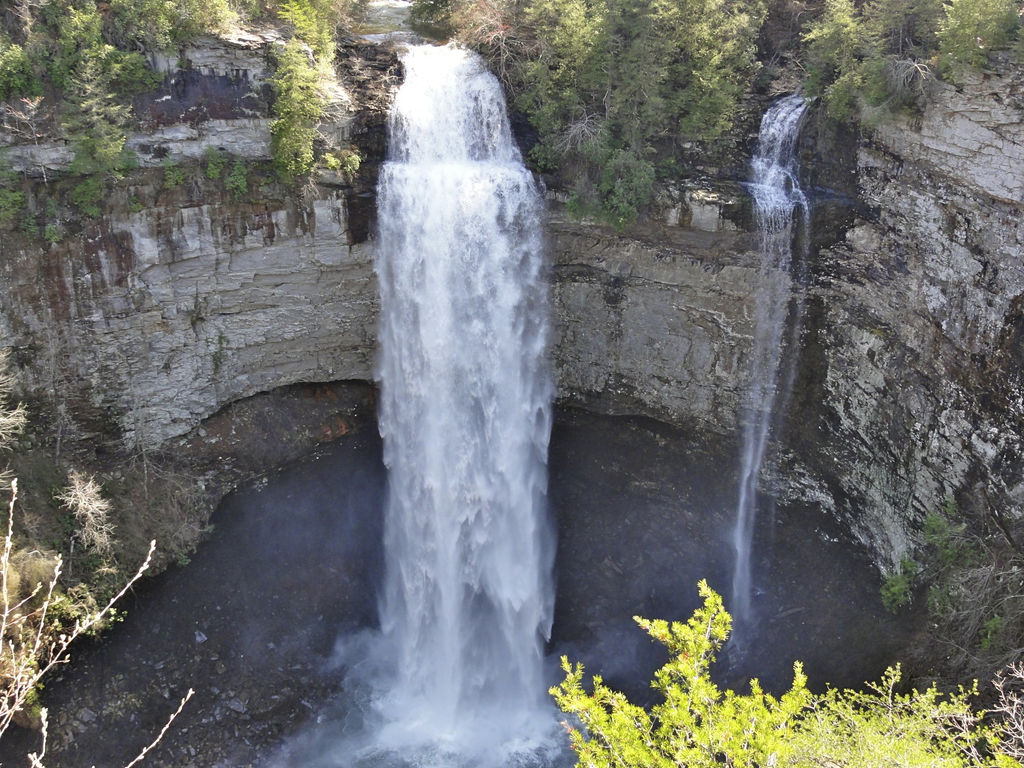
Newfound Gap Road climbs through thick forest to overlooks where the view opens across layer after layer of ridges. With only a few hours, you can drive it, stop at Newfound Gap for photos, and still fit in a short walk.
The easiest walk is the paved, half-mile Sugarlands Valley Nature Trail near Sugarlands Visitor Center. The toughest short one is Kuwohi, formerly Clingmans Dome, the park’s highest point at 6,643 feet. The paved path to its observation tower is only about a mile round trip, but it’s steep enough to wear people out. The access road is seasonal and closes in bad weather.
Entry is free, but vehicles parked more than 15 minutes need a parking tag, and a daily tag costs $5. Locals have more advice on beating Smokies gridlock and avoiding fines before you go.
2. Cades Cove: 11 Miles That Take Half a Day
For one local, Cades Cove is simply “my happy place!” Several others just wrote its name and didn’t feel the need to explain.
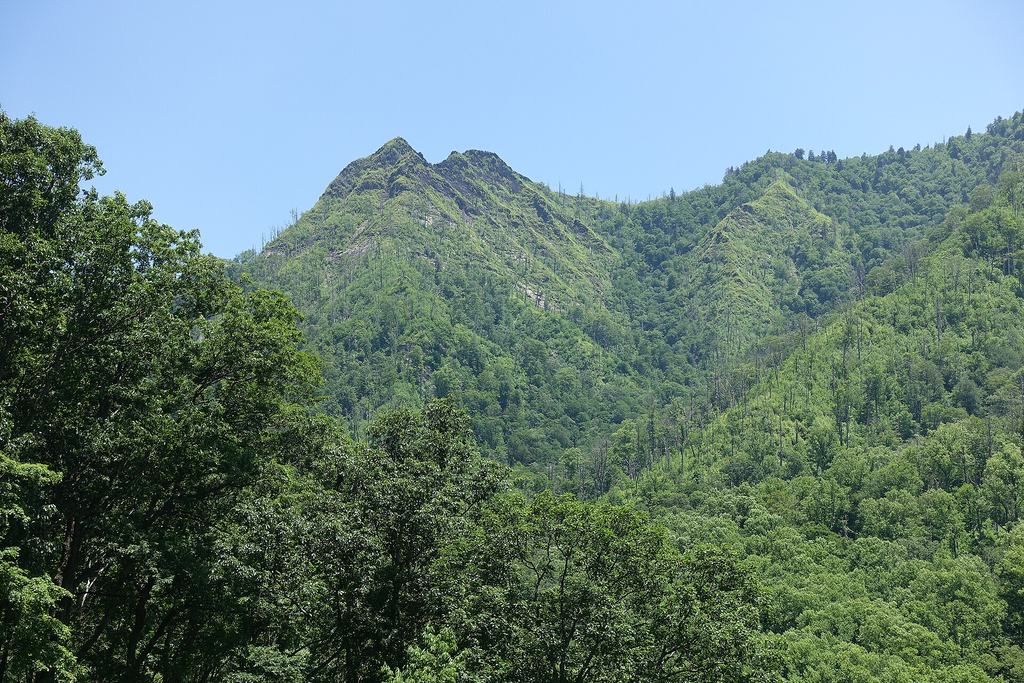
It’s technically part of the Smokies, but it earns its own spot. An 11-mile, one-way loop winds through a broad mountain valley past open fields, historic cabins, and old churches.
Don’t mistake 11 miles for a quick drive. The National Park Service recommends allowing at least two to four hours, and fall traffic and busy weekends slow things down even more. Arrive early and leave your schedule open.
Make time for the Cable Mill historic area, where an old gristmill and preserved buildings show how families once lived in the valley.
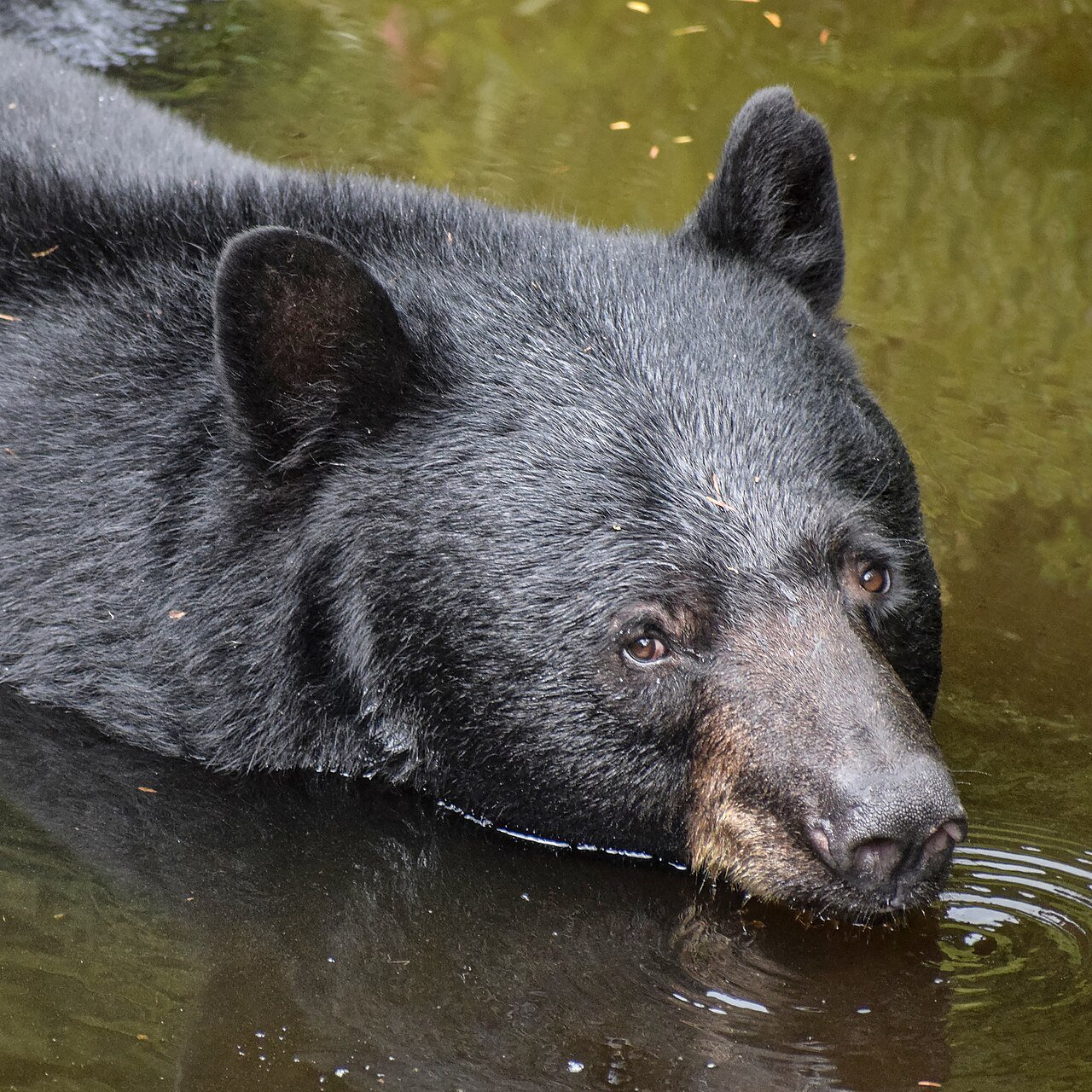
And keep watching the fields for deer, wild turkeys, and occasionally black bears. Nearly 1,900 black bears live in the Smokies, and fall is one of their busiest seasons.
3. Fall Creek Falls: A 256-Foot Waterfall With a Paved Path
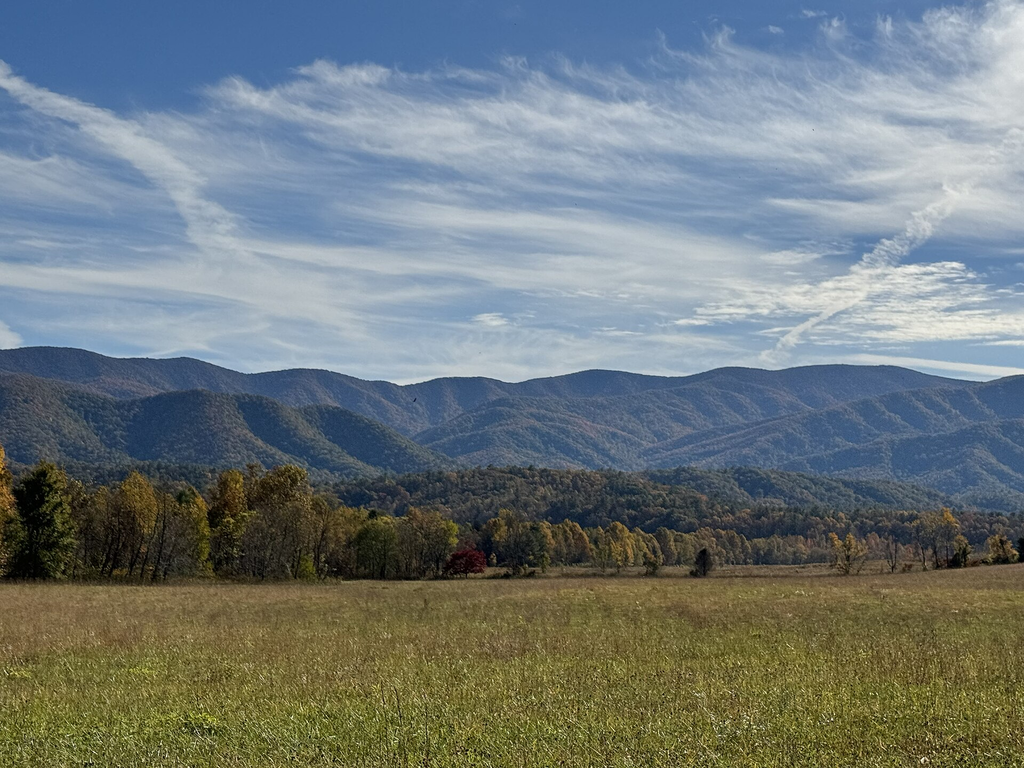
Fall Creek Falls drops 256 feet into a wooded gorge, and you can reach the main overlook on a paved, wheelchair-friendly path.
That makes this park on the Cumberland Plateau near Spencer one of the easiest big views in Tennessee to share with family members who walk at different speeds. The trail to the base is another story. It’s steep and uneven, and the climb back out is much harder than the trip down.
The park has more than one waterfall. Near the Betty Dunn Nature Center, Cane Creek Cascades and a suspension bridge add another view, along with wooded trails, lake activities, and picnic spots. Cabins, a campground, and a lodge can turn a day trip into a weekend, and general admission is free.
Come in spring for the strongest flow after rain, or in autumn for color around the gorge.
When locals picked the most beautiful place in Tennessee, Fall Creek Falls came in second. See which spot beat it.
4. Gatlinburg
The best part of Gatlinburg might be the part most visitors never find.
The Great Smoky Arts & Crafts Community is an eight-mile loop of artists, galleries, and working studios where people still make pottery, woodcarvings, and other traditional Appalachian crafts. It dates back to 1937, and it feels nothing like shopping on the Parkway.
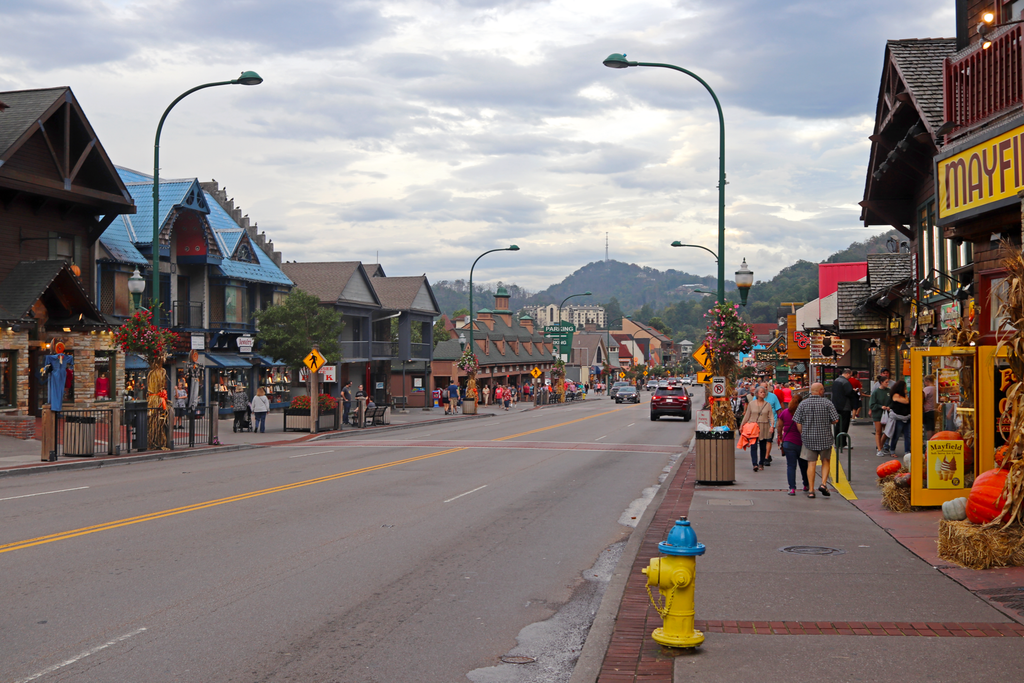
The Parkway still has its pull. Gatlinburg came up again and again in the answers, often alongside the Smokies and Pigeon Forge, and the busy main strip of candy shops, craft stores, restaurants, and mountain views between the buildings is a family tradition for plenty of Tennesseans.
Downtown parking gets expensive, so park once and ride the free trolley. Fall is the busiest season, while winter decorations and holiday celebrations give you a reason to come back.
5. Dollywood: Locals Say Timing Is Everything
Locals didn’t just recommend Dollywood. They recommended when to go: Christmas, above all, with Easter close behind.
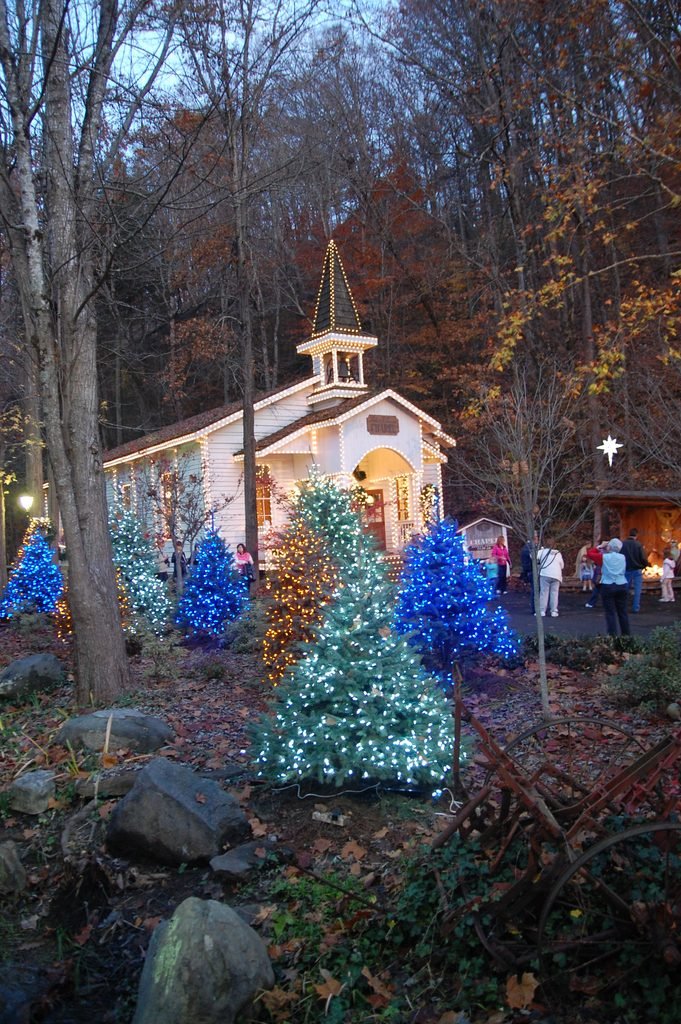
At Christmas, the Pigeon Forge park fills with millions of lights, decorated trees, seasonal shows, and nighttime displays. In fall, the Harvest Festival swaps that for pumpkins, autumn decorations, and seasonal entertainment.
The rides get the attention, but the park also celebrates Appalachian music, traditional crafts, food, and Dolly Parton’s Tennessee roots. You can watch craftspeople at work, catch live music, and explore exhibits about Dolly’s life, so even people who skip the roller coasters can fill a whole day.
It’s one of the pricier stops on this list, and parking usually costs extra. Check the entertainment schedule before you go and build your day around the show you most want to see.
6. Graceland: The Rooms No Ticket Can Get You Into
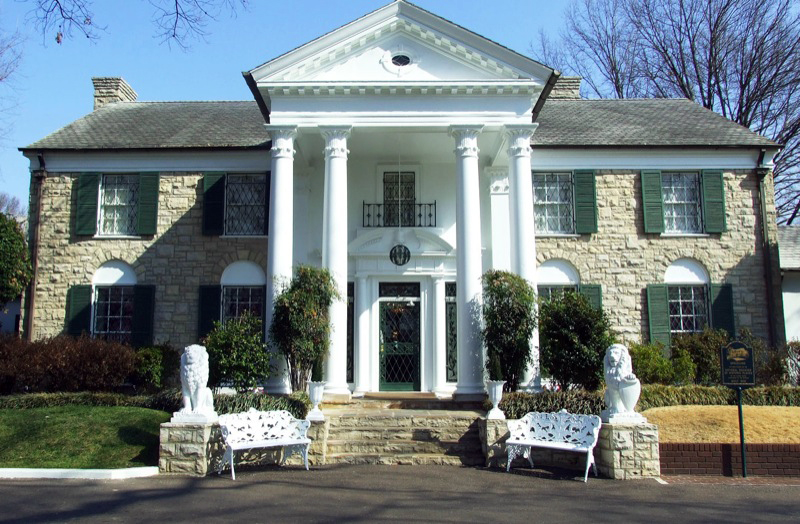
Even the most expensive Graceland ticket won’t get you upstairs. Elvis Presley’s private rooms are still closed to the public.
The rest of the house still tells plenty. Elvis bought the Memphis mansion in 1957, and it opened for public tours in 1982. Today you can walk through the living room, the dining room, and the famous Jungle Room. Nearby, the museum complex holds his stage costumes, gold records, and cars.
Locals recommended it again and again, especially for Elvis fans. But seeing the costumes behind glass is different from standing in the home he came back to when the shows were over.
Allow three to five hours to see the mansion and major exhibits without rushing. And read the ticket options carefully. Some packages cover the museum exhibits but not the mansion itself.
7. Reelfoot Lake: Created by an Earthquake
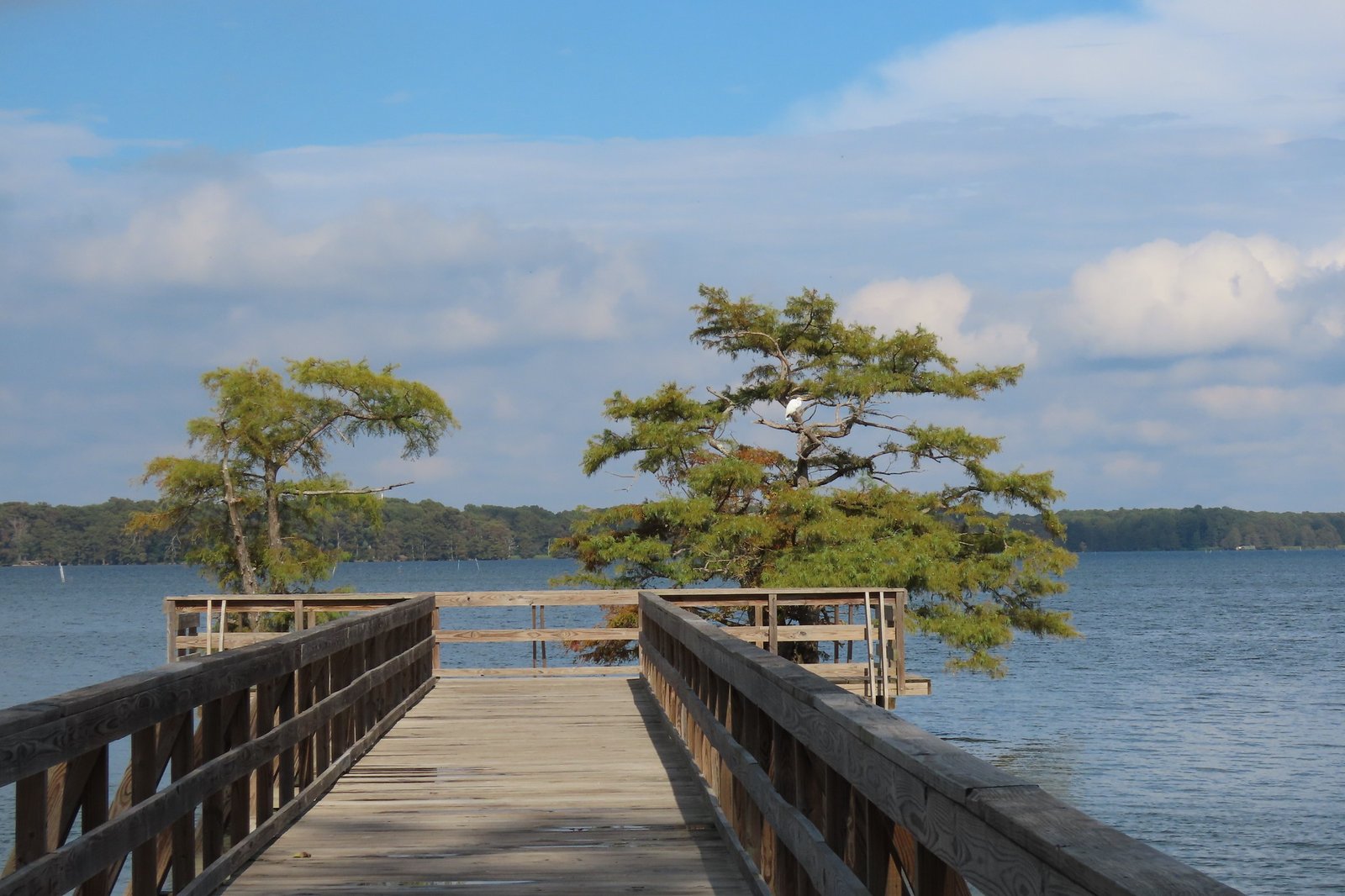
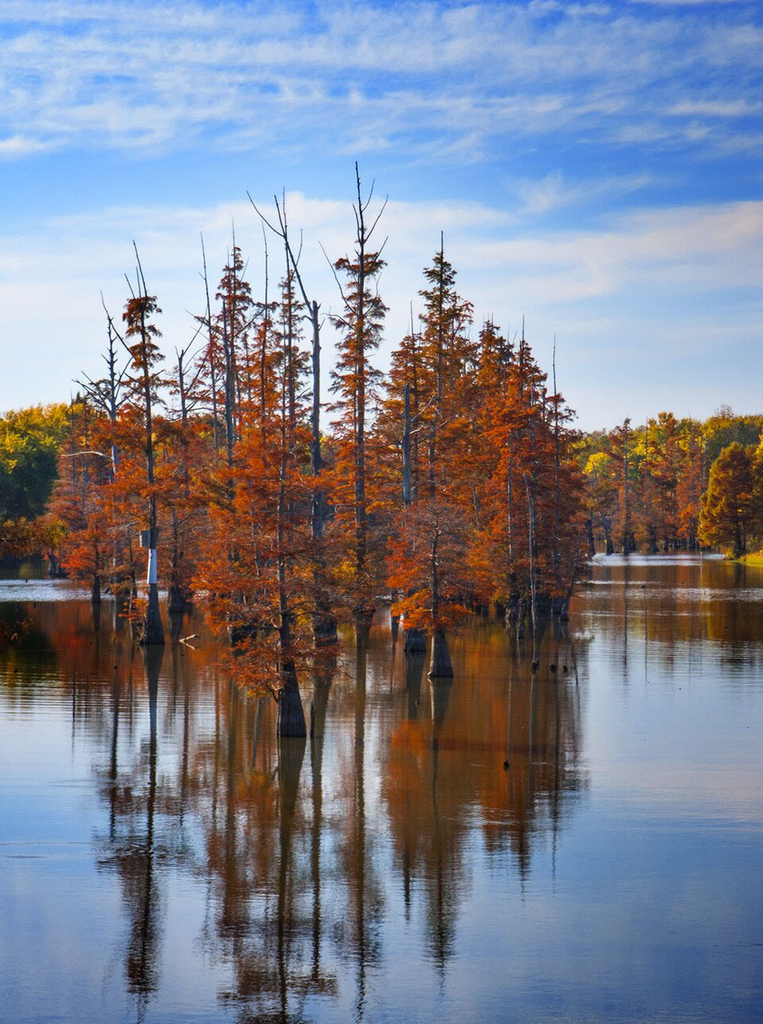
Reelfoot Lake exists because the ground shook. The New Madrid earthquakes of 1811 and 1812 reshaped the Mississippi River region and left behind a shallow lake filled with flooded cypress trees.
It sits near Tiptonville in northwest Tennessee, about as far from the Smokies as you can get without leaving the state, and it looks nothing like them. Locals kept bringing it up anyway.
Winter is the time to go. Bald eagles and migrating waterfowl gather around the lake, though sightings are never guaranteed. Photographers should come early, when morning light falls across the trees and water.
You don’t need a boat or a fishing rod. Reelfoot Lake State Park has lakeside areas and ways to learn about the wildlife, but some facilities have been affected by renovations and closures, so check what’s open before you make the drive.
Reelfoot also landed on locals’ list of the Tennessee parks they love most.
8. Jack Daniel’s Distillery: Worth It Even If You Don’t Drink
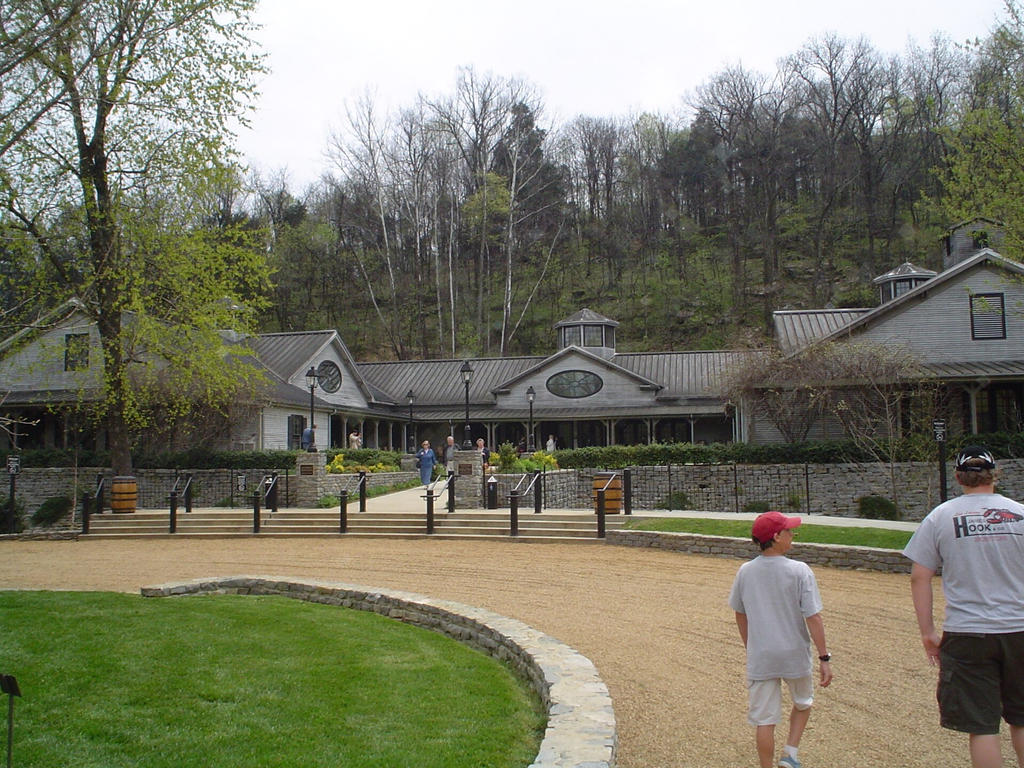
One local’s tip: take the Jack Daniel’s tour whether you drink or not, because the property alone is beautiful.
The distillery in Lynchburg traces its history to 1866. Depending on the tour, you may see historic buildings, the limestone cave spring, areas tied to charcoal-making, and other parts of the working property. You can pick a history-focused tour without an upgraded tasting. Tours differ in price, age restrictions, and what’s included, and reservations are a good idea, especially on weekends.
Don’t leave town right after. Lynchburg’s historic square has shops and restaurants, and the whole outing makes a manageable day trip from Nashville.
If you can, plan lunch at Miss Mary Bobo’s, one of the most unique places to eat in Tennessee.
9. The Lost Sea: A Boat Ride Inside a Cave
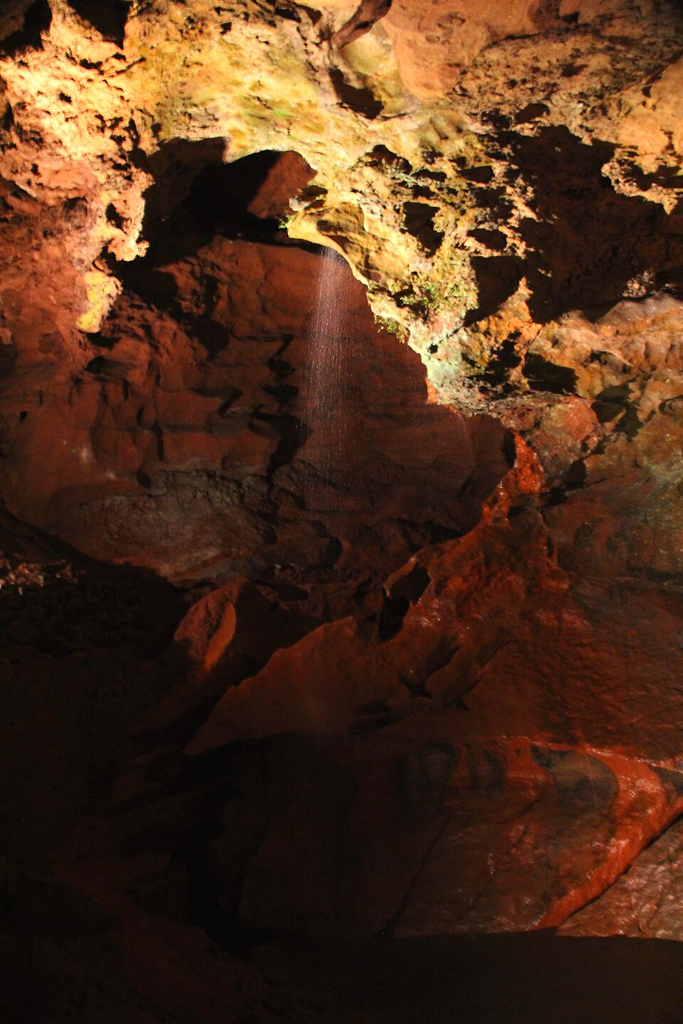
In Sweetwater, you can take a boat ride on a lake deep inside a cave.
The Lost Sea Adventure’s guided tour winds through the passages of Craighead Caverns, past rock formations, to an enormous underground lake. Then you get in a boat and go out on it.
The cavern has its own history, too, including accounts of earlier human activity and the discovery of prehistoric animal remains.
The standard tour runs about 75 minutes, plus time to check in. Two things to know before booking: the cave route has steep, sloping walkways, so visitors with significant mobility limits should check the attraction’s restrictions first. And the cave stays around 58 degrees all year, so bring a light jacket, even in July.
10. Ruby Falls: The Underground Waterfall Named for a Wife
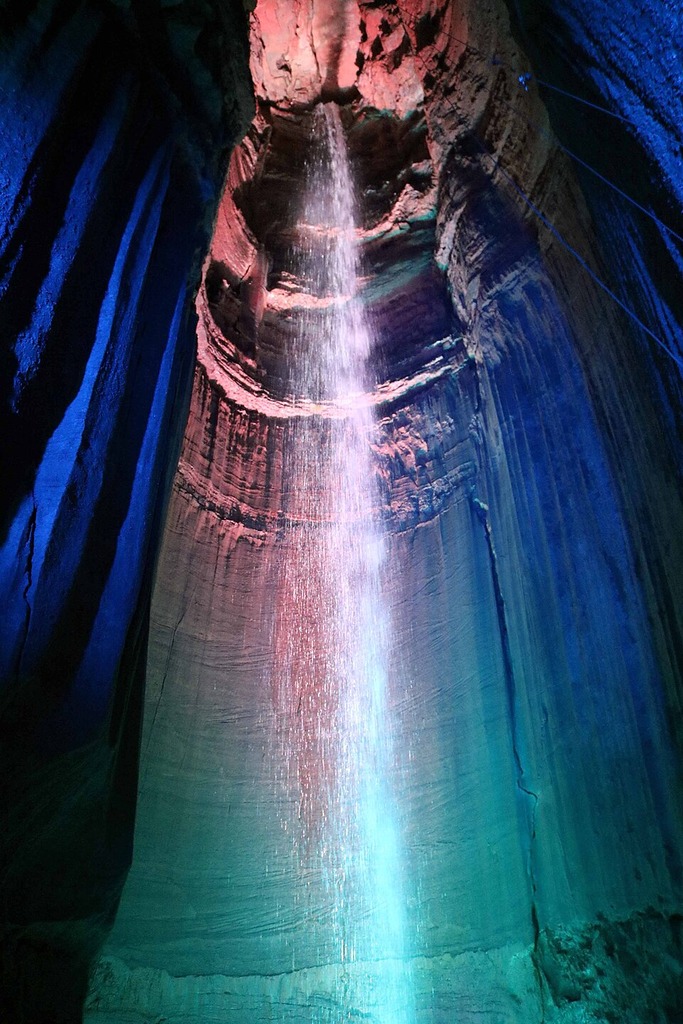
In 1928, Leo Lambert was exploring passages uncovered during work on an elevator shaft inside Lookout Mountain when he found a waterfall hidden in the rock. He named it after his wife, Ruby. It opened to visitors a year later.
Today, a visit to the Chattanooga attraction starts with an elevator ride down into the mountain, then a guided walk through cave passages to the falls. Some locals paired it with nearby Rock City.
The cave tour takes roughly 70 to 90 minutes, but allow two to three hours for the whole visit, including the overlooks above ground. Plan on about a mile of walking with stairs and narrow passages. The underground route isn’t wheelchair-accessible, though several aboveground facilities are.
Book a timed-entry ticket ahead during busy periods. Rain can boost the waterfall’s flow, but heavy rain sometimes interrupts tours.
The Person Who Refused to Choose
Remember the local who wouldn’t name just one place? Here’s their answer in full:
“Tennessee, you can’t just pick a single place. There are too many wonderful and marvelous places to single out just one!”
Ten picks later, with a waterfall you can roll up to, a lake made by an earthquake, and a boat ride underground, it’s hard to argue.



1 thought on “We Asked Tennesseans for ONE Place Everyone Should Visit. Here Are Their Top 10 Picks!”