
I asked Tennessee locals on Facebook, “What’s your favorite winter activity in Tennessee?” The most popular answer was avoiding winter entirely.
Stay inside. Sleep through it. Count the days until spring.
But not everyone is hiding. Some locals live for the cold, whether that means a trail with no ticks, a deer stand before sunrise, or a lake with one very specific advantage in January. That last answer, saved for the end, might be the best one on the list.
Here are the ten answers that came up most, plus what to know if you want to try them.
1. Staying Inside: The Most Popular Answer
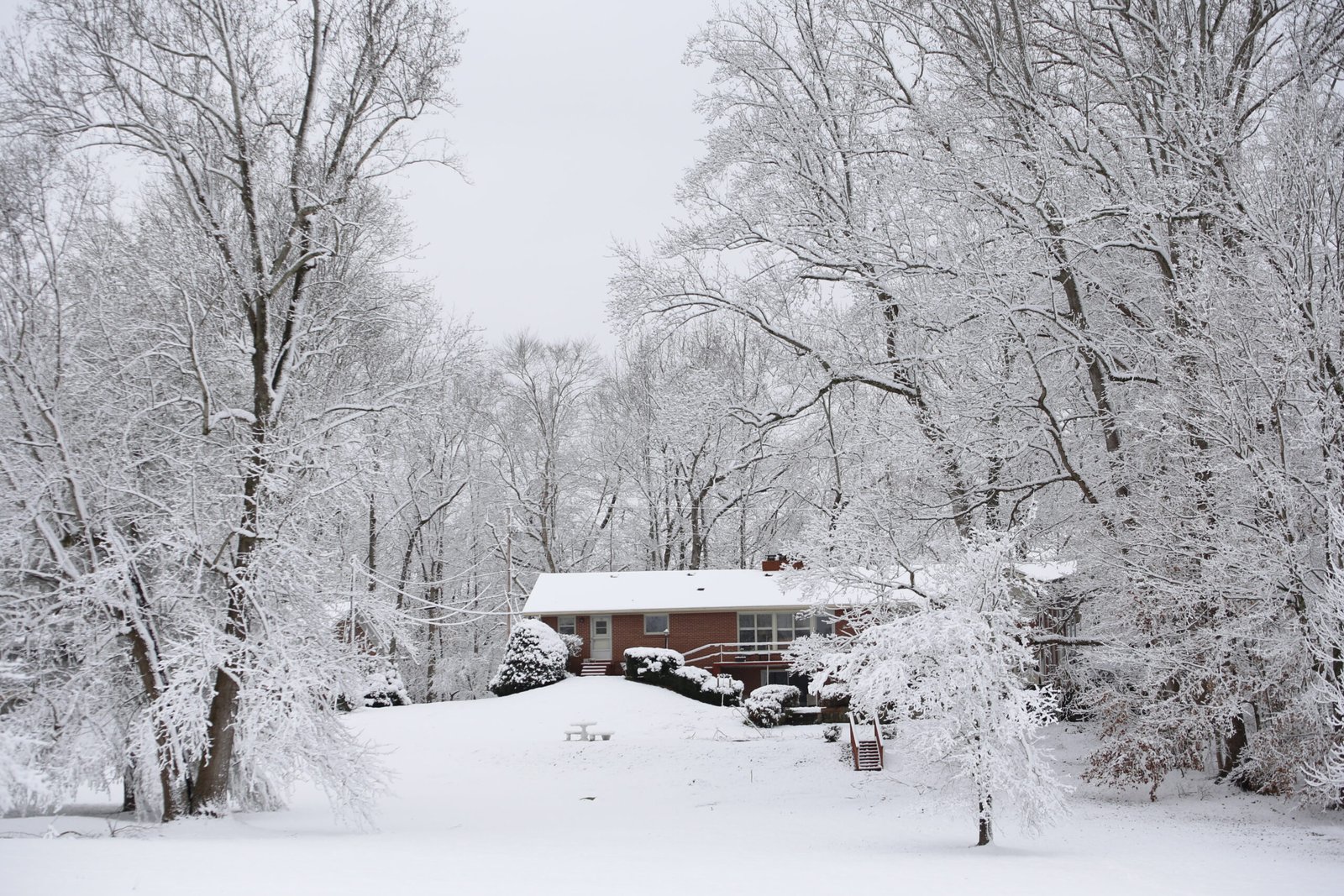
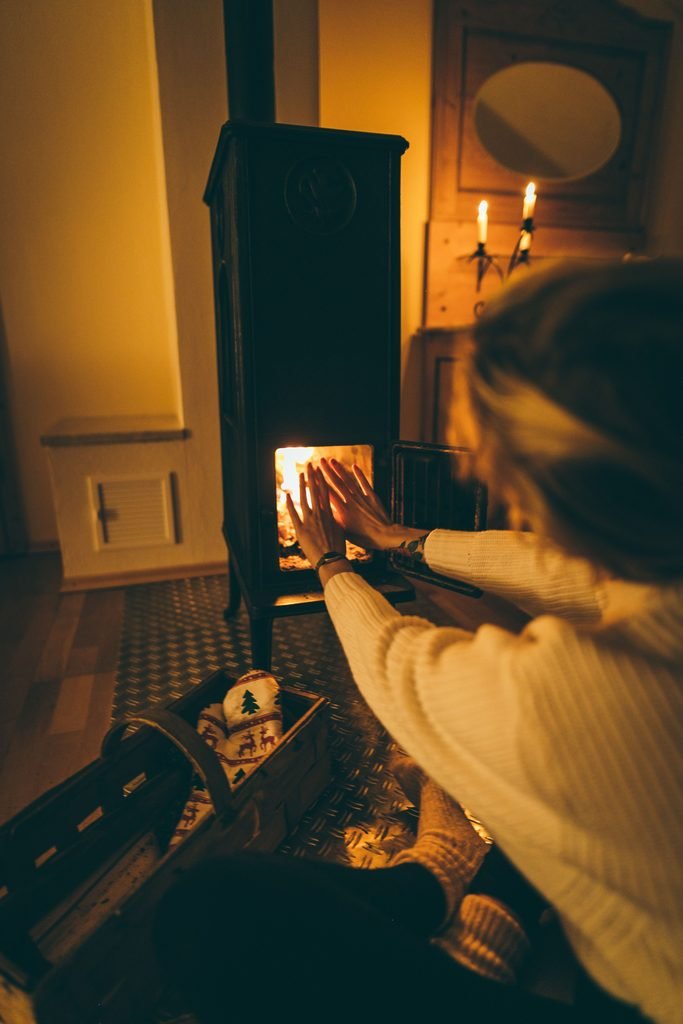
The top plan for a Tennessee winter is staying inside where it’s warm until spring. For one local, the best part of the season is looking out the window and being glad they don’t have to go out in it.
The numbers alone don’t explain it. In Nashville, the average January afternoon reaches about 49 degrees, and nights drop to around 30.
The real problem is everything else: cold rain, freezing mornings, and the occasional ice storm that turns a pleasant afternoon into a miserable evening. Conditions also swing across the state. Memphis can have a chilly but manageable day while the high elevations of East Tennessee deal with snow and ice.
There’s a reason locals joke that Tennessee can deliver all four seasons in a single week.
2. Hibernating: No Reservations Required
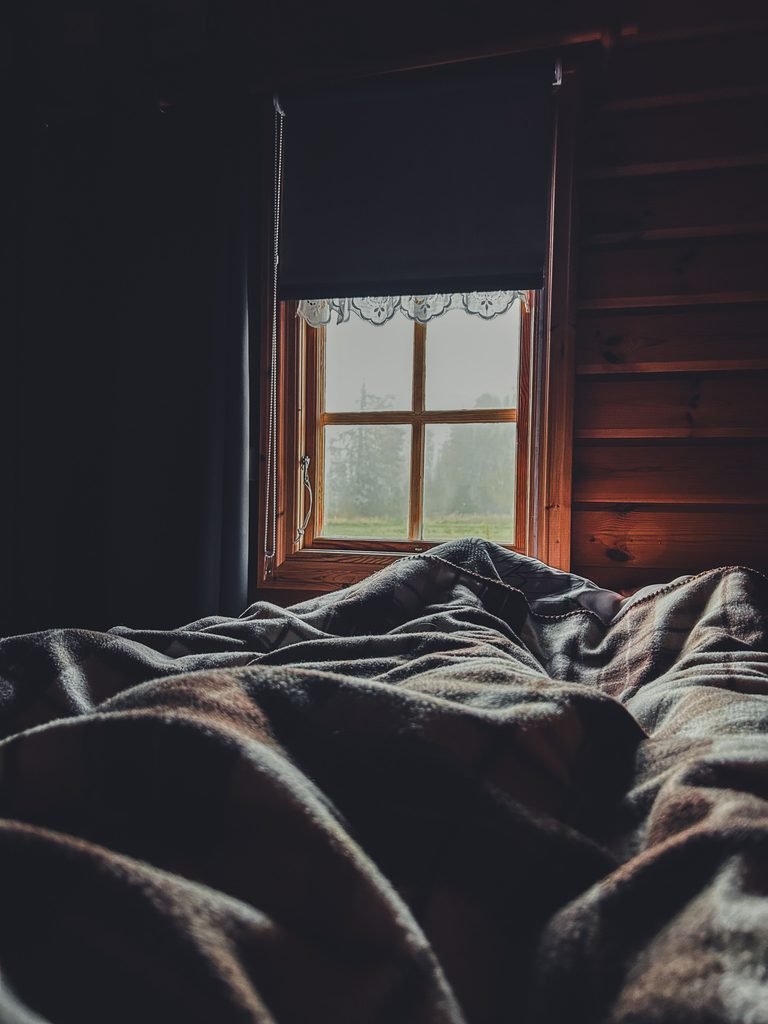
Some locals have found the easiest way through winter: sleep through it. Napping and “hibernating” came up again and again.
There may be some biology behind the urge. Natural light helps regulate our sleep-wake cycle, and December brings the shortest days of the year. By late afternoon, it already feels like the day is over.
Winter also clears the calendar. The yard work, outings, and weekend projects that fill up summer mostly disappear, leaving room for an afternoon with nothing urgent at all. A few people would clearly prefer to close their eyes in December and open them sometime in April.
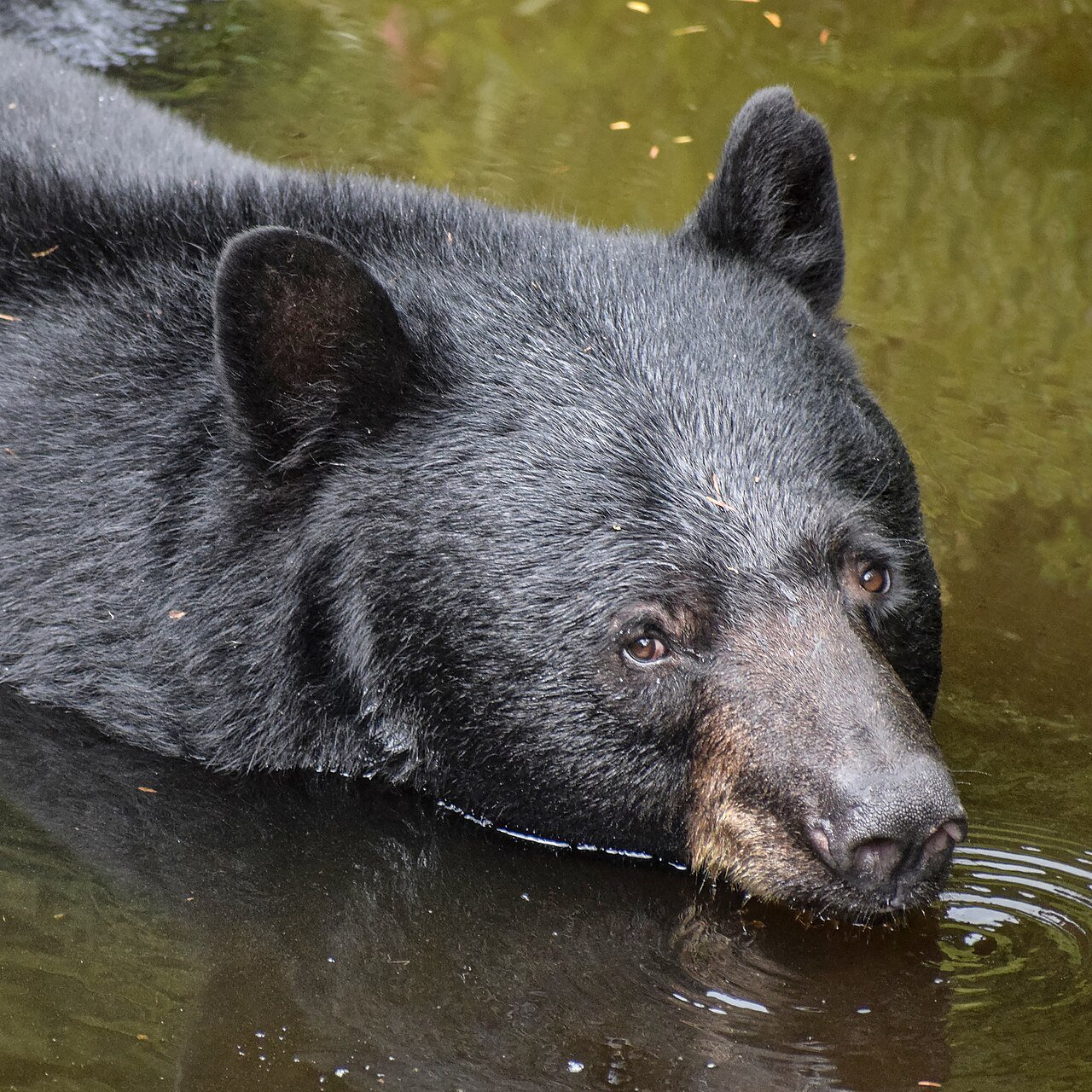
People can’t actually hibernate, but the Smokies’ bears get close. They spend fall eating up to 20,000 calories a day to make it through winter.
3. Counting Down to Spring: It Starts Sooner Than You Think
This one isn’t really a winter activity. It’s a countdown. Locals said they’re counting the days until spring, waiting for summer, or flat-out praying for spring.
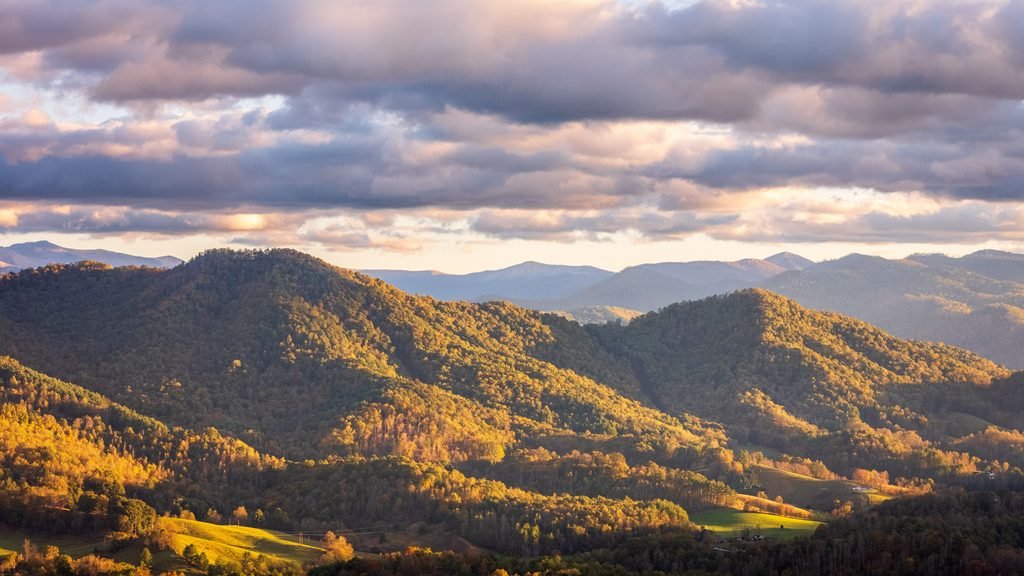
The good news is that it may come sooner than you think. Some wildflowers in the Smoky Mountains can start blooming in February, and the days have been getting longer since the December solstice.
Don’t pack away the coats yet, though. Nashville’s average last spring freeze falls around the end of March, and freezes can come later. That warm February afternoon that feels like spring has arrived? Tennessee weather doesn’t always agree.
If you’re already planning your first warm-weather outing, start with the Tennessee parks locals love most.
4. The Fireplace: For Some, Cutting the Wood Is Half the Fun
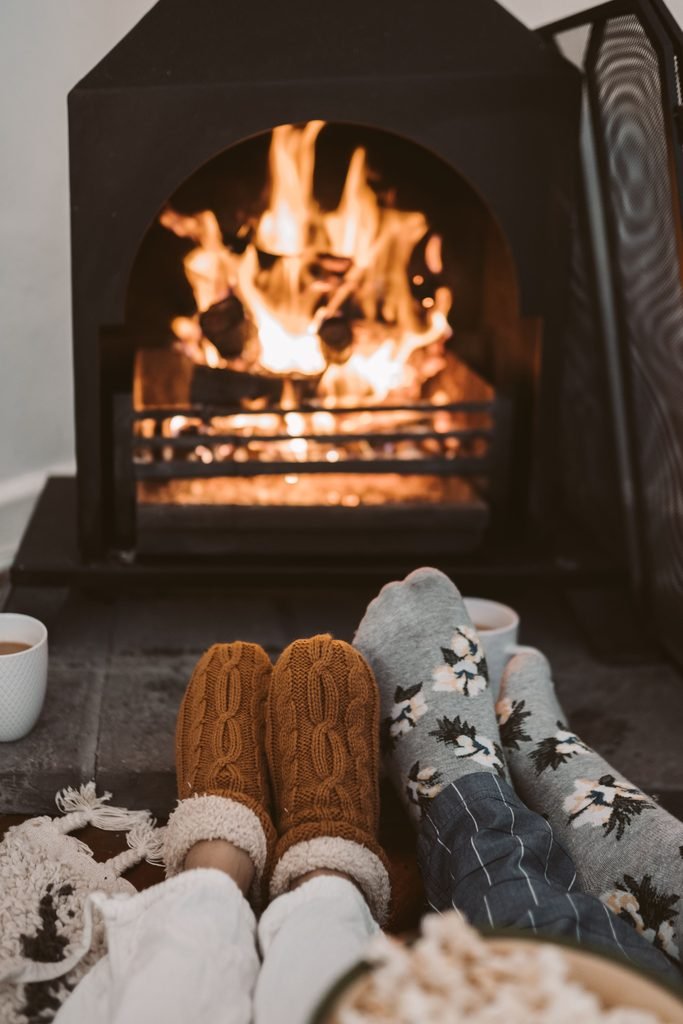
One local’s favorite part of winter starts long before the fire is lit. They cut the firewood, burn it, and then sit beside the stove, and the work is part of the pleasure.
Others keep it simpler: a wood burner at home, or a fire in a Gatlinburg cabin with a good book, with family and pets nearby.
That warm spot used to be a necessity. In the old Smoky Mountain communities, the fireplace was how families cooked and kept their homes warm. The National Park Service documents how mountain families spent winter days preparing food, doing household work, and gathering indoors when the weather shut them in. Today it’s mostly about comfort, though plenty of Tennessee households still heat with wood.
If you have a real fireplace or wood stove, keep the chimney maintained and anything flammable well away from the heat.
Dreaming of that cabin fire? Here’s where locals say to book your Smokies cabin.
5. Comfort Food: The Cheap Winter Meal Mountain Families Lived On
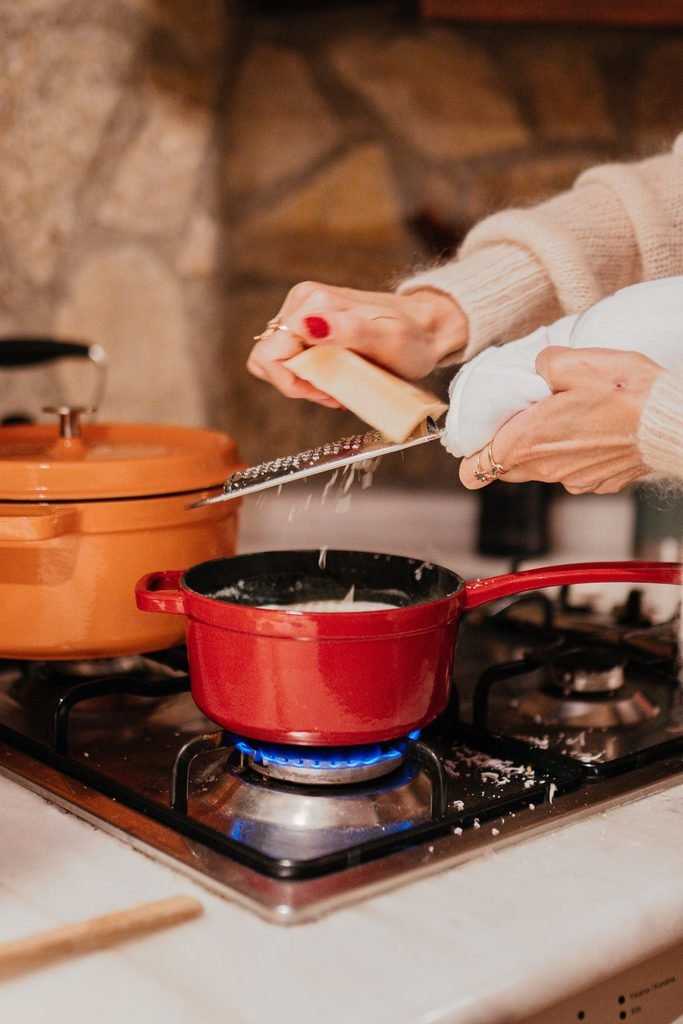
A pot of pinto beans, a skillet of cornbread, and maybe some onions or chow-chow on the side. In East Tennessee and across Appalachia, soup beans and cornbread have filled people up for generations, using some of the cheapest ingredients in the kitchen.
For mountain families before refrigeration, that wasn’t a choice. Winter cooking depended on food put up in earlier seasons: dried beans and vegetables, dried apples, and salted meat.
Locals’ winter favorites today sound a lot like that. Making and eating chili or soup came up often, along with coffee, tea, and hot chocolate, ideally while watching the weather from a warm kitchen. And if there’s enough snow, a few people are ready to make snow cream.
A big pot of soup has another advantage: tomorrow’s lunch is already done.
If you’d rather let someone else do the cooking, here are the most unique places to eat in Tennessee, according to locals.
6. TV and Sports: Tennessee’s Winter Schedule Is Packed
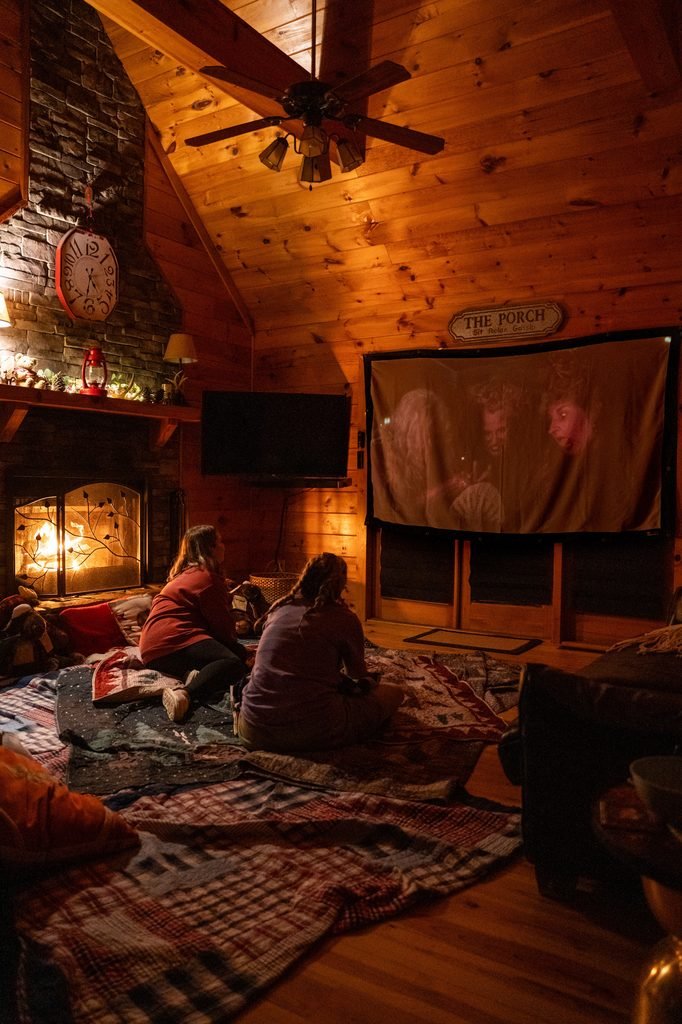
For plenty of locals, the best winter entertainment is already on TV. Football drew some of the most enthusiastic answers, along with college basketball, favorite movies, and shows best watched in pajamas.
Tennessee gives sports fans a full winter lineup. The Titans’ regular season runs to around early January, and college bowl games fill the holidays. By then, basketball is in full swing with the Tennessee Vols, the Memphis Tigers, and the Memphis Grizzlies, and the Nashville Predators keep hockey fans busy all season.
For others, it’s less about what’s on and more about a few uninterrupted hours with a movie they’ve seen a dozen times or a series they’ve been meaning to finish.
7. Hiking: No Heat, No Ticks, Better Views
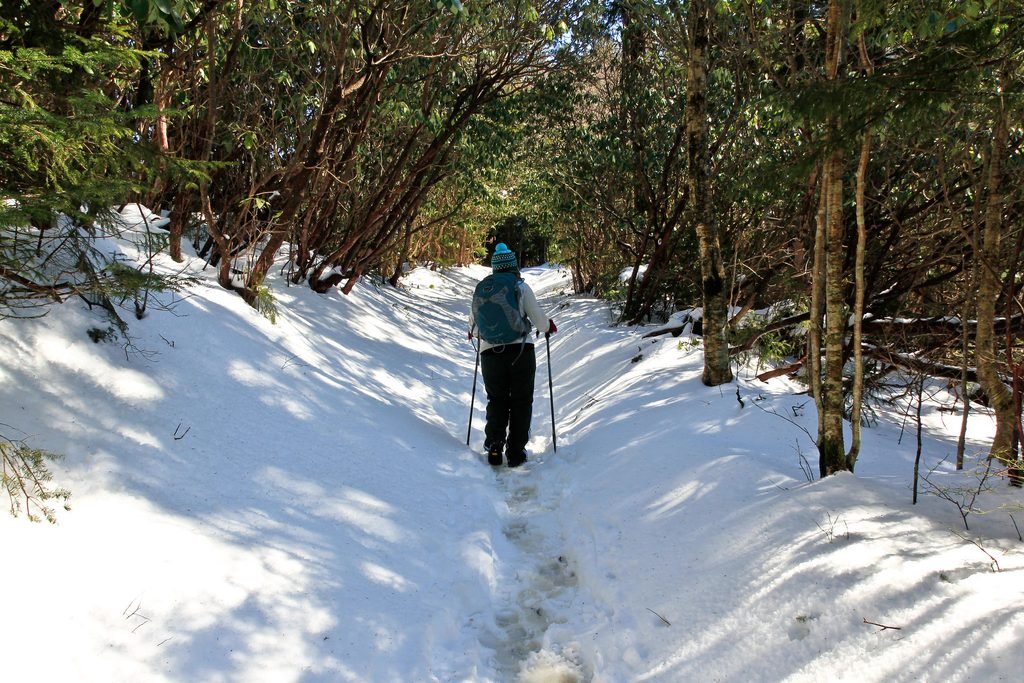
Winter hikers have a strong case. It’s beautiful and it’s not hot, as one local put it, and a hiker in Southeast Tennessee added fewer ticks and mosquitoes to the list.
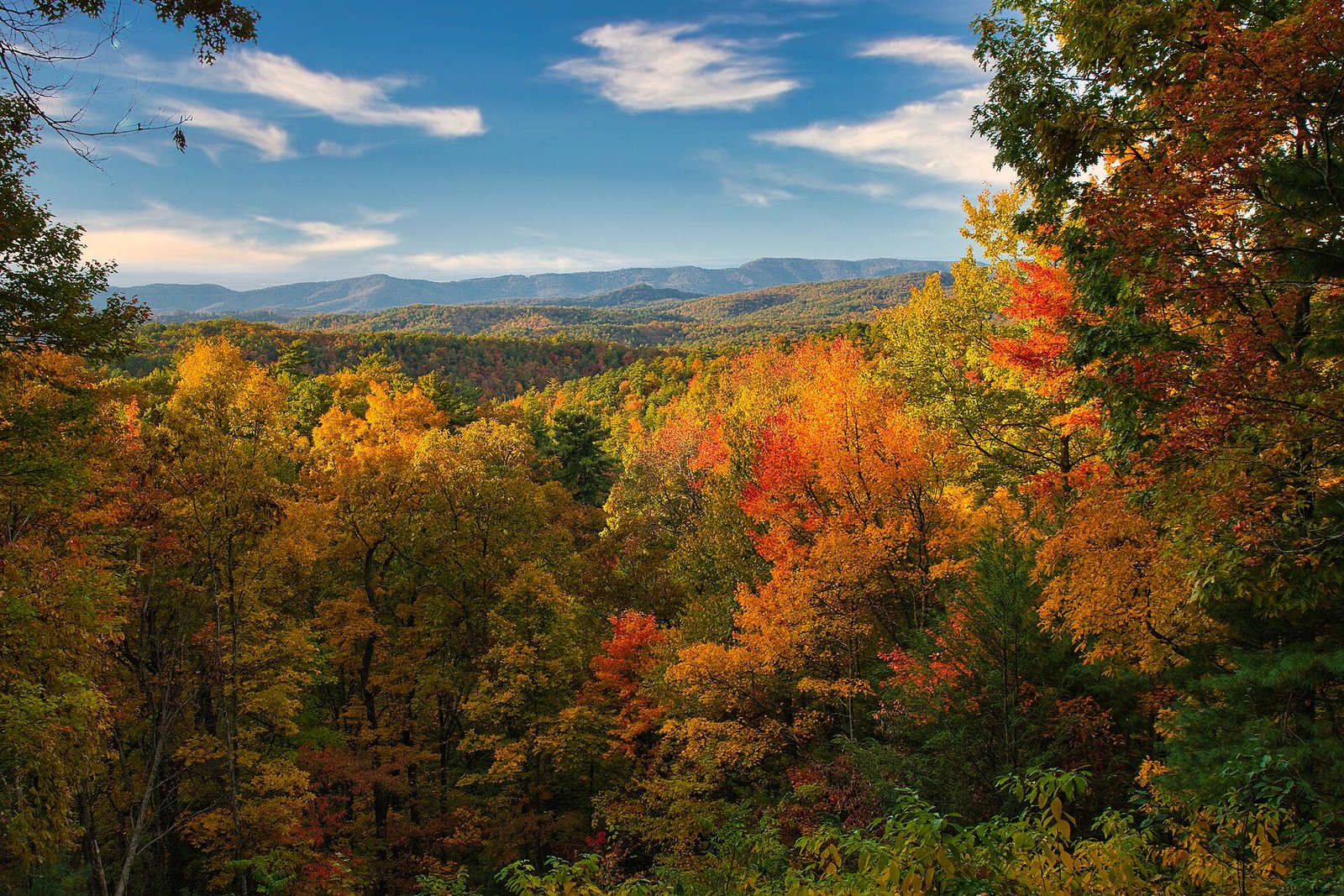
The views get better, too. Once the leaves drop, ridgelines, rock formations, and hillsides hidden all summer come into view, and a trail you walked in July can look like a different place in January. Waterfalls are often at their best after winter rain, though wet and icy rocks call for extra care.
You don’t need the mountains to try it. In Nashville, Radnor Lake State Park has wooded trails, lake views, and wildlife. Fall Creek Falls State Park on the Cumberland Plateau has waterfall overlooks you can enjoy without hiking into the gorge. North of Memphis, Meeman-Shelby Forest State Park offers trails through Mississippi River bluff country.
In the Smokies, the half-mile Sugarlands Valley Nature Trail is paved and fairly level, and the Gatlinburg Trail follows the river for a longer walk. Higher trails are a different story. Snow and ice can make them dangerous even when Gatlinburg feels mild.
Check trail and road conditions, wear good shoes, and plan around early sunsets.
8.Hunting: The Season Some Locals Wait All Year For
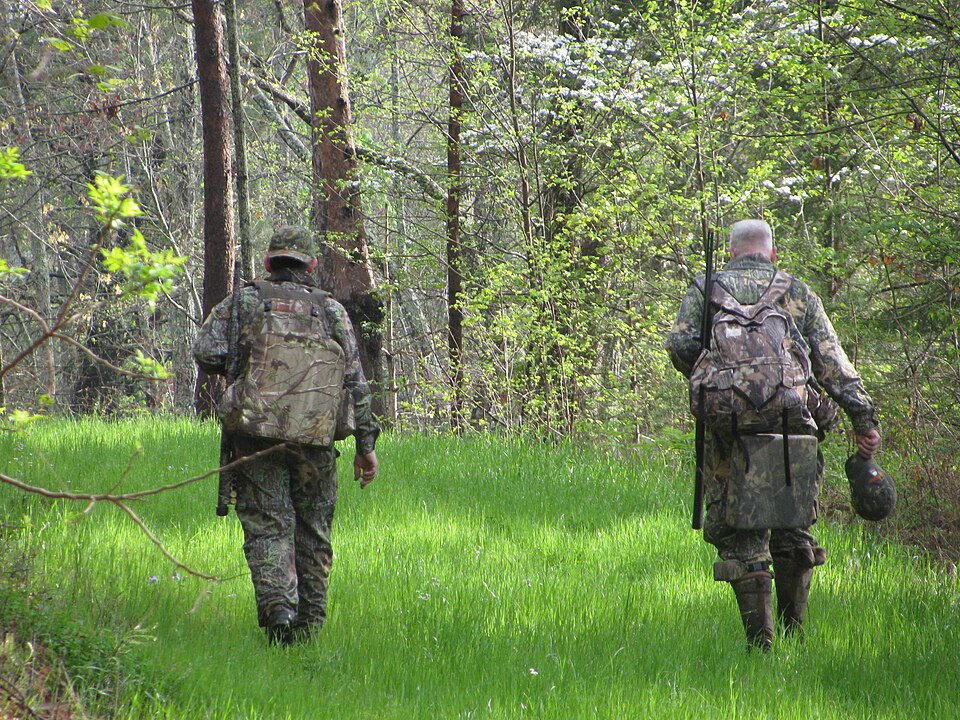
While half the state counts down to spring, hunters are hoping winter lasts a little longer. Deer, ducks, geese, and grouse all came up, and for many locals, a cold morning in the woods comes with years of family tradition.
Timing matters. Tennessee’s regular deer seasons generally run into early January, while some waterfowl and small-game seasons continue later into winter.
For ducks, West Tennessee’s wetlands are the draw, and Reelfoot Wildlife Management Area near Tiptonville is one of the state’s best-known waterfowl spots. Farther east, Catoosa Wildlife Management Area on the Cumberland Plateau offers regulated hunting for other species.
Public hunting areas can require special permits, set designated hunt days, or carry rules that differ from statewide regulations. Check the current Tennessee Wildlife Resources Agency rules before you go.
9. Reading: A Blanket, a Book, and the Dog
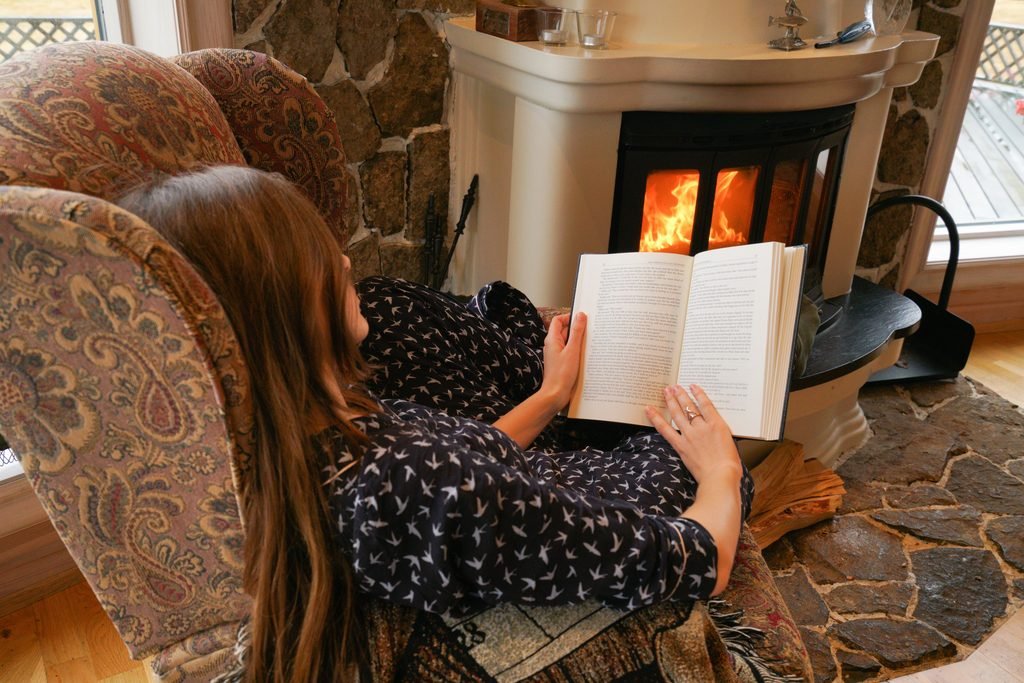
One local’s perfect winter afternoon: curled up under a blanket with a good book and the dog. Another just needs a book and a cup of coffee.
It’s the kind of pleasure that gets crowded out the rest of the year by mowing, gardening, and weekend plans. Winter finally makes room for the book you’ve been meaning to start.
It doesn’t have to cost anything. Tennessee residents with an eligible library card can borrow books from their local public library, and participating libraries offer digital books and audiobooks through Tennessee READS. That’s handy if you prefer a tablet, need larger print, or would rather listen.
10. Fishing: The Best Answer on the List
Here’s the answer promised at the top. One local summed up the appeal of winter fishing in five words:
“Fishing. Hardly any water skiers.”
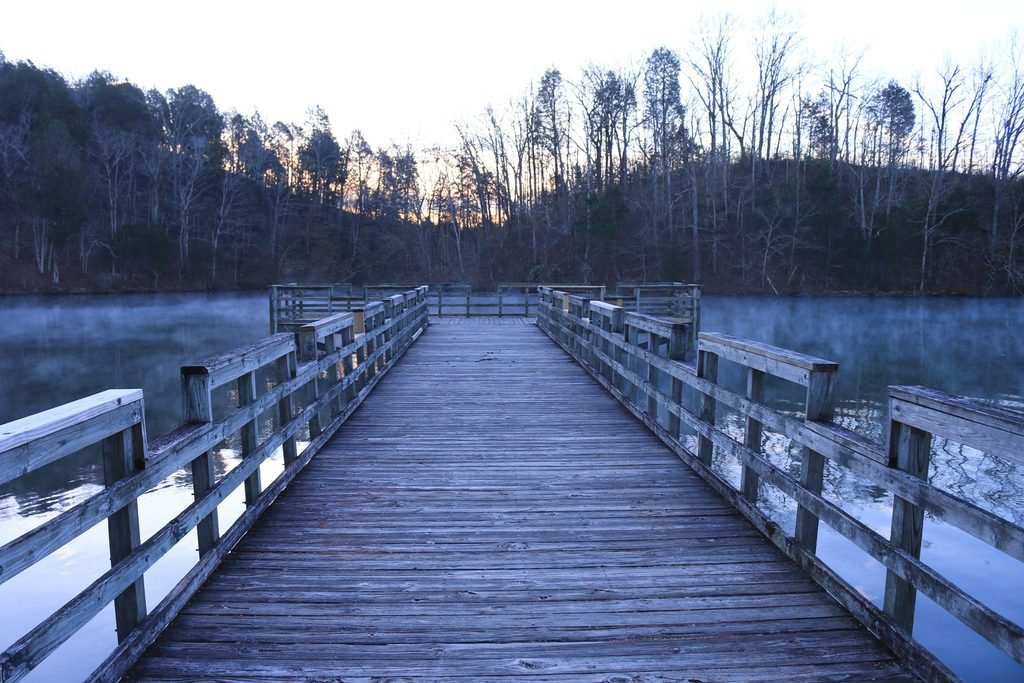
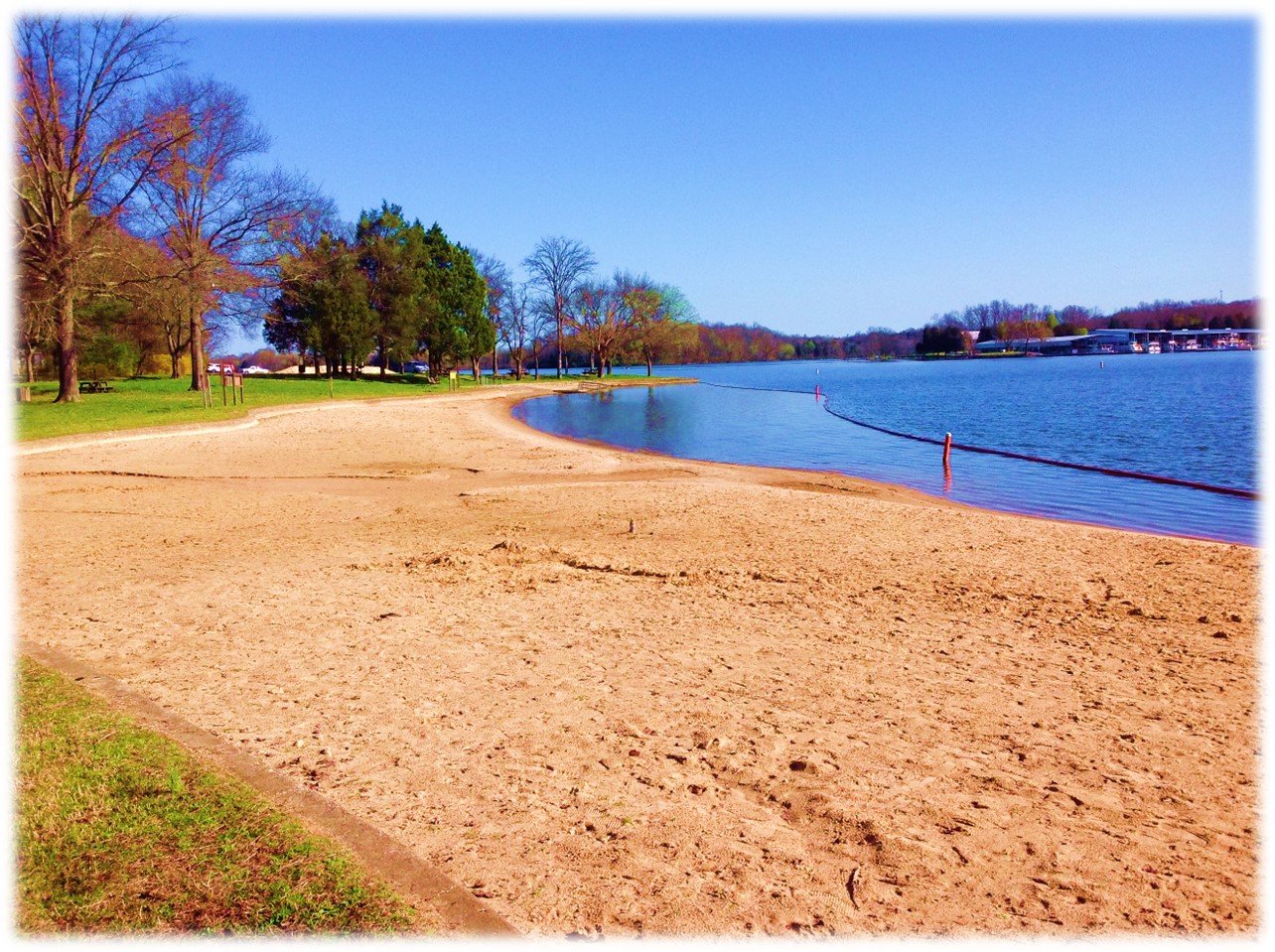
With summer boaters at home, the lakes go quiet, and anglers after bass and crappie have the water mostly to themselves.
Winter also opens up some of Tennessee’s best cold-weather fishing. Reelfoot Lake in northwest Tennessee is known for crappie among its shallow water, cypress trees, and submerged stumps, though winter calls for different techniques than summer. In Middle Tennessee, Cheatham Reservoir is a sauger and walleye spot, especially below Old Hickory Dam, and the Tennessee Wildlife Resources Agency points to November through March as prime time for those fish. Dale Hollow Reservoir on the Kentucky line is famous for smallmouth bass.
Cold water changes how fish behave and makes falling overboard far more dangerous, and reservoir levels shift through the season. Rules also vary by lake, so check current regulations before you go.
Then enjoy the quiet. No water skiers required.