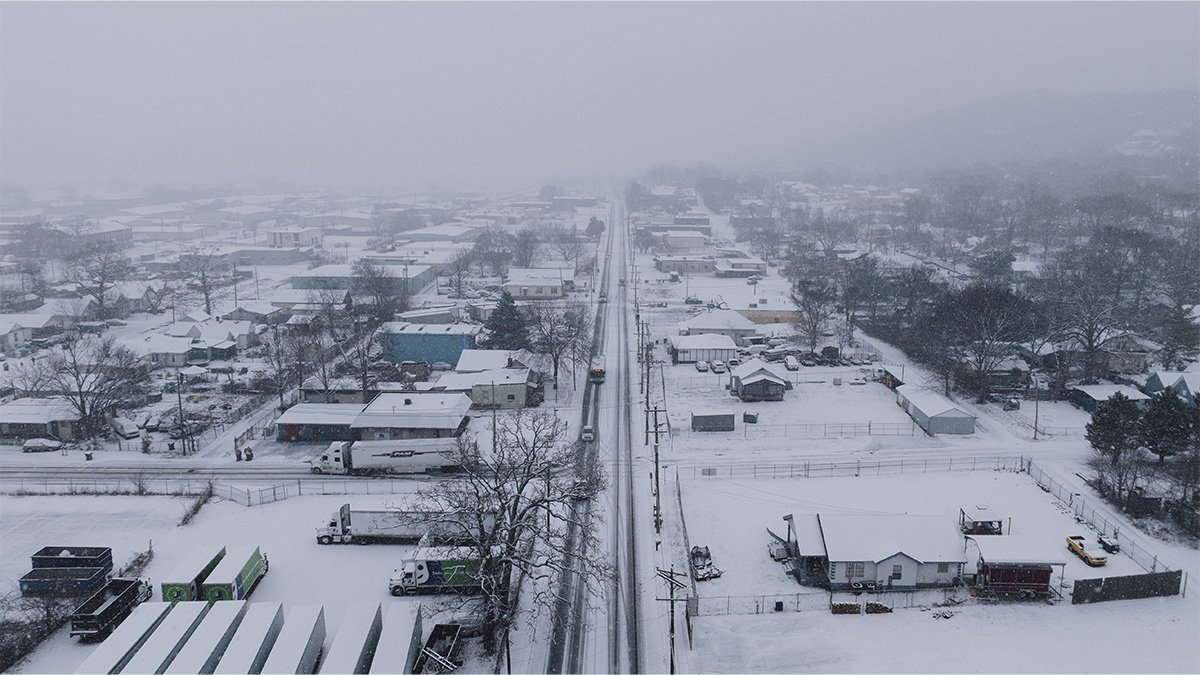

You check the forecast for your Tennessee trip, see an afternoon high near 50°F, and figure winter won’t be much of a concern. Nashville’s average January high is about 49°F. Its average low is about 30°F.
Pack for both. An afternoon walk and the drive back after dinner can bring different conditions, especially if you’re staying above town on a mountain road.
What a Tennessee Winter Usually Feels Like
For many lower-elevation city visits, prepare for cool afternoons, cold nights, and wet weather. Warm layers and shoes that can handle rain will be useful even if there’s no snow in the forecast.
Memphis is somewhat warmer than Nashville, with January averages near 51°F during the day and 33°F at night. Yet that airport station averages about 15 January days when the temperature reaches freezing or below. An average nighttime low just above freezing doesn’t mean freezing weather is unusual.
Cold rain deserves attention, too. It can make outdoor sightseeing uncomfortable without producing a single snowflake. Removable layers and a rain-resistant outer layer give you more flexibility than packing only for snow.
December through February is the standard winter period used for climate comparisons. It isn’t a firm boundary for winter weather: freezing conditions and snow can occur outside those months, particularly at higher elevations.
Occasional stretches of much harsher cold, snow, or ice can disrupt travel and daily routines. They deserve a contingency plan, but they don’t describe every winter week.
Where You Are Makes a Big Difference
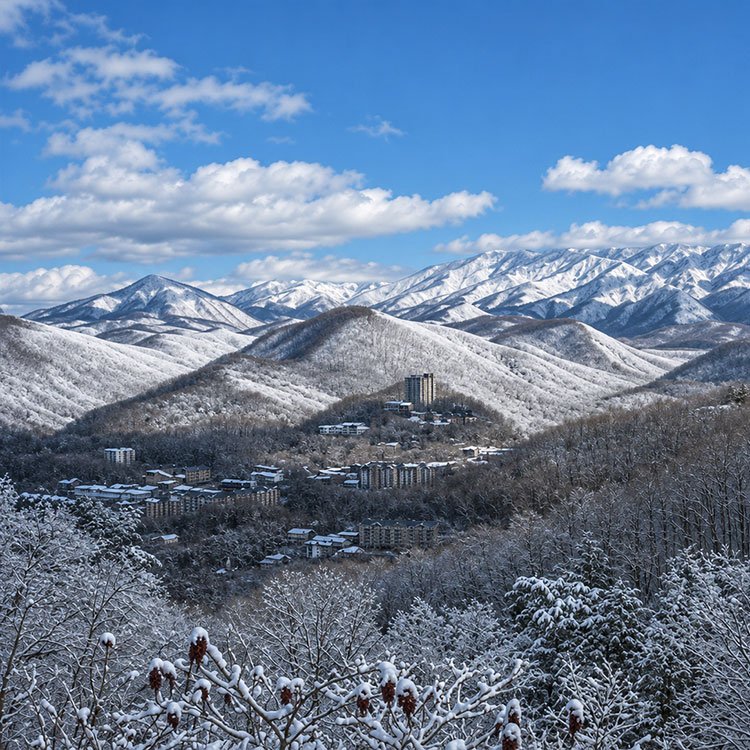
A winter in Memphis and a winter high in the Smokies are very different experiences. Even moving from a valley to a nearby ridge can change what you need to prepare for.
The Cumberland Plateau deserves particular attention. Crossville’s research station is colder and records considerably more snowfall than the selected Nashville, Knoxville, and Chattanooga airports. If you’re driving across Tennessee, the conditions at your starting point may tell you little about this part of the route.
| Observation location | Average January high / low | Average annual snowfall |
|---|---|---|
| Memphis International Airport | 51°F / 33°F | 2.7 inches |
| Nashville International Airport | 49°F / 30°F | 4.7 inches |
| Crossville Education and Research station | 42°F / 25°F | 14.1 inches |
| Chattanooga Lovell Field Airport | 51°F / 32°F | 3.6 inches |
| Knoxville McGhee Tyson Airport | 48°F / 30°F | 4.6 inches |
| Tri-Cities Airport | 47°F / 26°F | 9.2 inches |
| Mount Le Conte station, about 6,493 feet | 34°F / 18°F | 76.8 inches |
Source: NOAA’s 1991–2020 climate normals. Temperatures are rounded; snowfall totals cover the entire year, not just December through February.
Mount Le Conte’s station describes a high-mountain environment. Its snowfall average does not describe Gatlinburg, Pigeon Forge, or the whole Smokies region.
The same caution applies on a smaller scale elsewhere. Chattanooga’s airport conditions don’t describe every home on a nearby mountain. Knoxville’s airport, in the Alcoa area, isn’t a substitute for a forecast at your hiking destination.
Don’t Build Your Trip Around Guaranteed Snow
Nashville’s 4.7-inch average doesn’t mean one dependable snowfall each winter. It also doesn’t mean you’ll find that much snow sitting on the ground. Snowfall measures fresh accumulation over time; snow depth measures what remains after melting, settling, and other changes.
One storm can exceed that annual average. The National Weather Service documented 8 inches at Nashville International Airport during the January 22–23, 2016 snowstorm.
If you’re planning a city weekend, choose activities you’ll enjoy without snow. Our guide to Tennessee winter activities recommended by locals offers ideas for your itinerary.
For natural mountain snow, January and February offer better prospects, according to the National Park Service. Still, a particular date comes with no guarantee. The conditions that bring snow to higher elevations can also make getting there difficult.
There’s another distinction if you’re booking skiing or tubing: an attraction using snowmaking may operate while the surrounding town has no natural snow cover. Check the activity’s operating report, available terrain or sessions, and cancellation terms. A ticket for a snow activity doesn’t promise a snowy landscape everywhere else.
Look Beyond the Snow Total Before Driving
“One inch of snow” tells you less about a drive than you might expect.
Is there ice underneath? Will wet pavement freeze before you return? Does your route cross bridges or climb a shaded hill?
Freezing rain falls as liquid and freezes on contact with cold surfaces. Sleet reaches the ground as ice pellets. Black ice is a thin, hard-to-see coating that can resemble wet pavement. Each creates concerns that a snowfall total alone won’t explain.
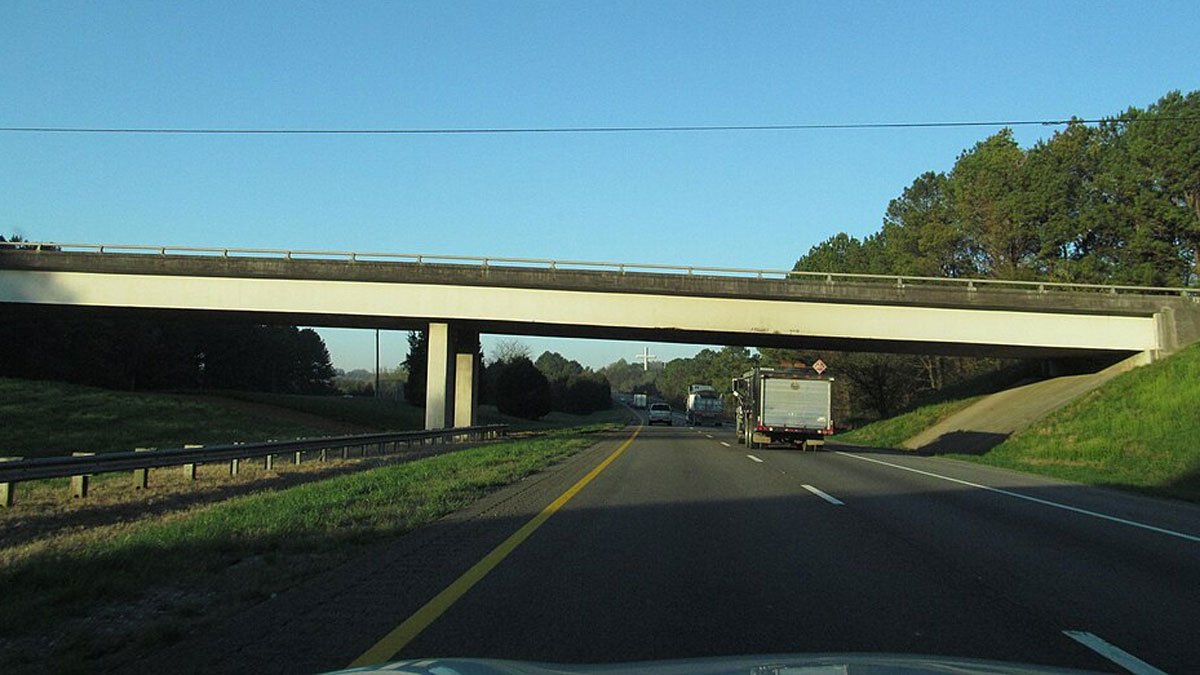
Bridges can freeze before nearby roads because they lose heat from above and below. Shaded stretches may remain icy after sunny sections improve.
Tennessee does use plows, salt, and pretreatment. TDOT prioritizes interstates and heavily traveled state routes, while local governments have their own treatment priorities. Private roads and driveways may fall to a property owner or another responsible party.
The final miles can be the deciding part of the drive. A clear interstate doesn’t mean the road to your cabin—or your future driveway—is passable.
Four-wheel drive and all-wheel drive can help a vehicle move, but they don’t eliminate the limits of tires and brakes on ice. Equipment doesn’t override a closure or advice to postpone travel.
During a winter storm, delaying a drive may be your best option. If travel is necessary, check Tennessee SmartWay for incidents and cameras before leaving, along with the forecast and local notices. Avoid assuming a back-road shortcut will be easier.
Plan a Winter Visit That Can Handle Changes
For a Nashville or Memphis weekend, choose one indoor alternative to your main outdoor activity.
If a storm arrives, confirm that your alternative is operating. Indoor attractions can close, too.
For a Knoxville or Chattanooga stay with a mountain outing, consider how much of the trip depends on that excursion. A hotel in town keeps your lodging separate from access to a particular mountain road. A cabin may be the experience you want, but its approach deserves attention before you book. If you’re considering a park stay, our guide to booking Tennessee state park cabins explains what to compare before reserving.
Ask the manager:
- Who treats the private access road and driveway?
- Is the approach steep or shaded, and what winter route do they recommend?
- Is AWD or four-wheel drive recommended or required?
- What happens under the booking terms if the property cannot be reached?
Get access and cancellation policies in writing. Shortly before arrival, ask about conditions at that specific property.
For park outings, distinguish scheduled seasonal closures from temporary weather closures. If you’re still choosing dates, compare Smokies crowd levels by month alongside the road schedules. The Smokies’ seasonal road schedules show which roads close for winter. Year-round roads can still close during bad weather; check current conditions for temporary restrictions.
Hiking needs its own judgment. An open road doesn’t mean a trail is safe, and higher trails can be icy. Choose a realistic route, carry a separate light source, and leave enough time to return before dark. A shorter route leaves more daylight for stops.
Before You Move, Check the House and the Commute
A pleasant afternoon viewing won’t show you how a home handles winter.
Start with the driveway’s slope, shaded sections, and the route to the nearest main road. Ask which agency maintains the street and where public maintenance ends. For a private road or shared driveway, find out who arranges clearing, who pays, and what the agreement actually promises.
These answers matter most when you need to leave at a particular time. Consider the full commute and your employer’s expectations during difficult weather, rather than judging access only from the property itself.
Inside the home, focus on heating performance and building condition.
Ask what provides the heat, how old the equipment is, and whether supplemental heat is used during colder weather. Request recent winter utility bills and usage figures. One dollar amount is difficult to interpret without knowing occupancy, thermostat settings, billing days, and whether another fuel bill is involved.
Insulation, air leaks, and attic or crawlspace conditions deserve attention, too. A relatively warm city average won’t tell you whether a particular house is comfortable or expensive to heat.
For plumbing, find out where vulnerable pipes run and where the main water shutoff is located. Pipes in unheated garages, crawlspaces, attics, or exterior walls may need protection. Renters should know whom to contact if a pipe freezes or bursts.
Ask how the utility sends outage alerts. If the property has backup power, find out exactly what it supplies so you can plan around any remaining needs.
Finally, think through a disrupted weekday. Your street may look clear while a school district is assessing icy bus routes elsewhere. Ask how your district announces closures, whether childcare follows the same schedule, and what that means for your workday.
What to Check Before You Set Out
Check the latest National Weather Service forecast for both the outward and return journeys. Keep alerts enabled for heavy rain, thunderstorms, and flooding as well as snow and ice. Keep your departure time flexible if conditions deteriorate.





2 thoughts on “What to Know About Tennessee Winter Weather Before You Move or Visit”