
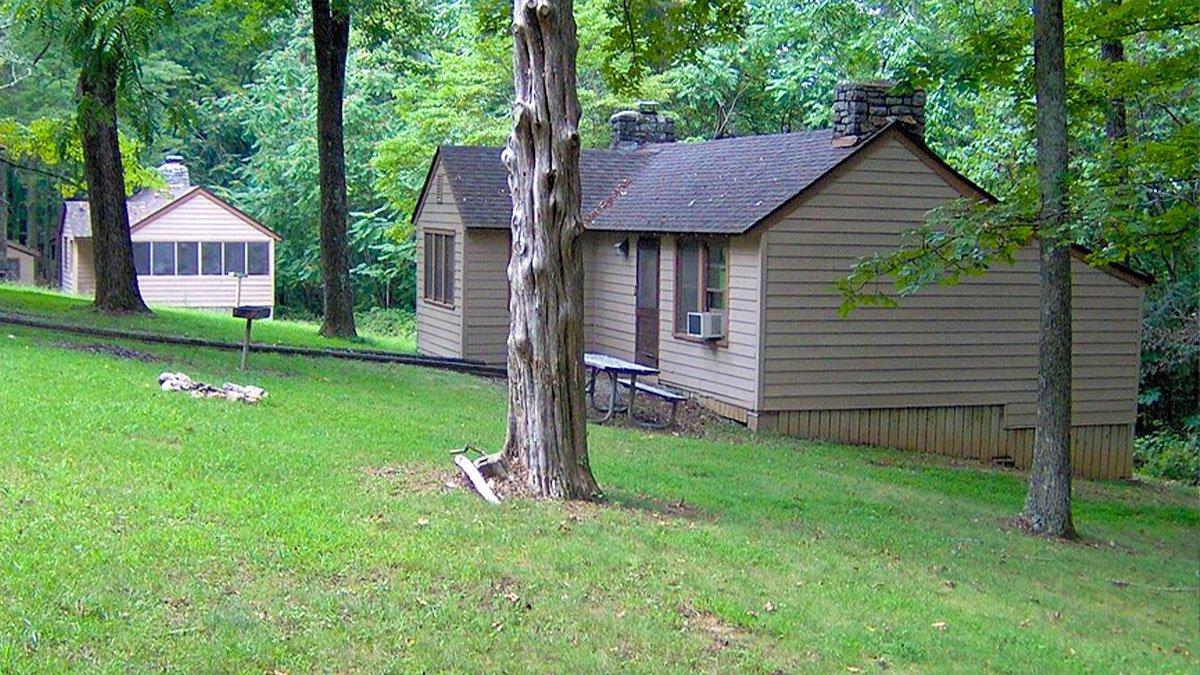

Book a Tennessee state park cabin within 14 days of your trip, and your deposit is already nonrefundable the moment you pay.
Bring two dogs for three nights, and you’ll add $120 in pet fees.
And at some parks, there are only six or seven cabins to choose from.
Here’s how to find a cabin that actually fits your group, what it really costs, and what to do when your dates are gone.
Decide What Your Cabin Needs to Have
Start with your preferred dates, how many nights you want, and whether you could shift the trip.
If everyone’s schedule is fixed, you may need to be flexible about the park. If the park is the priority, having a second set of dates gives you more to search.
Next, work out who needs which bed. Maximum occupancy tells you how many guests are permitted, but it doesn’t tell you whether the sleeping arrangements suit your group.
Two couples may want separate bedrooms. A family with young children may need everyone sleeping on the same floor. Look at bed sizes, pullouts, lofts, and bathrooms before deciding that a cabin is large enough.
Bringing a dog? Pets are allowed only in designated cabins. Permission to bring one into the park doesn’t mean every rental cabin allows them.
For mobility needs, ask about the actual route through the accommodation: parking to entrance, entrance to bedroom, and bedroom to bathroom. Confirm steps, handrails, doorway clearance, and the bathroom features your party needs.
Read the accommodation category carefully. A camping cabin is different from a full-service cabin. Confirm whether your choice includes a private bathroom, kitchen, linens, and the facilities you expect.
Make a short list of essentials before searching so you can compare units and weekends.
Know When You Can Book
The reservation platform’s calendar guidance describes viewing available nights up to a year ahead. That gives you a useful search horizon, particularly when your dates or cabin requirements are specific.
The exact time new dates open isn’t posted. If you’re trying to book at the edge of the calendar, contact the park or Central Reservations at 888-867-2757 to clarify when your dates become bookable.
For a longer stay, ask whether every night must already fall inside the booking window. Don’t assume selecting the arrival date automatically opens the rest of the week.
Groups reserving several cabins should call, too. Published group-booking guidance differs, so confirm your park’s requirements before coordinating everyone’s plans.
Search Through the Official Reservation System
Start with the official Tennessee State Parks reservation portal and select your park’s cabin reservations.
Read the alerts before searching. A park can have a cabin description online while rentals are temporarily closed for renovation. An unavailable result doesn’t automatically mean someone else booked it first.
Then enter your dates and inspect individual units. Calendar and map views help you compare locations, while photographs and descriptions let you check your essentials.
Pay attention to how dates are selected. Calendar instructions that ask for your first and last night place checkout on the following day. A field labeled “Check Out” asks for the departure date instead.
For example, staying Friday and Saturday nights means checking out Sunday. Review the resulting arrival and departure dates before paying.
Save your confirmation and review the cabin, dates, charges, remaining balance, cancellation terms, and arrival instructions. Follow the park’s stated check-in time and local time zone.
Check the Full Cost Before Paying
Once you’ve found a suitable cabin, compare the total for the stay.
There isn’t one statewide cabin price. Rates can vary by park, unit, season, and dates. The published cabin reservation policies list a $5 nonrefundable reservation fee, with applicable taxes and other charges to review before payment.
Pets can make a noticeable difference. The published pet-cabin terms list a $20 charge per pet per night for designated pet cabins. At that rate, two pets staying three nights add $120 before any applicable tax. Check the selected cabin’s terms for the charge that applies to your booking.
Minimum stays also affect the trip. The platform’s minimum-stay guidance generally lists a two-night minimum, with possible three-night holiday requirements and longer seasonal minimums at some parks. A two-night search may fail because those dates require a longer reservation.
Before paying, review what is due immediately and later. Make sure everyone sharing the cost understands the deposit and payment deadline.
Understand What Happens If Plans Change
Cancellation terms deserve a look before you pay, particularly if anyone’s schedule is still uncertain.
The published individual cabin cancellation terms state:
- 30 days or more before arrival: A refund less a $10 cancellation fee; the $5 reservation fee remains nonrefundable.
- 15–29 days before arrival: Forfeiture of the deposit for the first night’s stay, plus the nonrefundable reservation fee.
- 14 days or less before arrival: Forfeiture of the full deposit, plus the nonrefundable reservation fee.
The practical consequence is important: a reservation made within 14 days of arrival is already inside the published no-refund period for the deposit.
Losing the full deposit does not necessarily mean losing the entire stay’s price. Check how much your booking requires upfront and read its cancellation terms. Contracted group reservations can have different rules.
Cancel online or through a direct telephone transaction with Central Reservations or the park. The published cancellation instructions don’t accept voicemail or social media messages as cancellation methods.
For a late arrival, contact the park beforehand. Published no-show rules state that the remaining reservation can be cancelled if you haven’t checked in by 10 a.m. the morning after your scheduled arrival.
If you intend to miss the first night, those rules require arrangements with the park to pay for the entire reservation on or before the scheduled arrival date.
Which Cabins Should You Plan Ahead For?
Your choices narrow when you need a particular layout, pet permission, or specific accessible features. That makes early planning useful even when you’re flexible about the destination.
Small cabin programs also leave fewer units to compare. Meeman-Shelby Forest has six cabins; Reelfoot Lake has seven.
Start looking once you know what your group needs. A specific cabin on a fixed weekend gives you fewer alternatives.
Here’s how six popular cabin parks compare. For outing ideas during your stay, see our guide to Tennessee parks locals love.
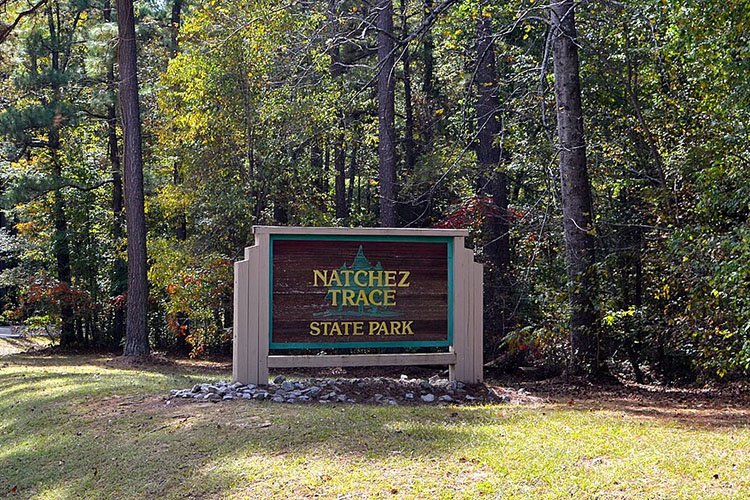
Natchez Trace: Choose Between Two Lake Settings
Natchez Trace offers 17 one-bedroom standard cabins along Cub Lake and ten two-bedroom deluxe cabins at Pin Oak Lake.
A smaller party can begin with the standard cabins, while a family wanting separate bedrooms can compare the deluxe options.
Camping cabins are a separate accommodation type. Keep that distinction in mind when comparing facilities and prices. The state’s Natchez Trace lodging guide describes the standard, deluxe, and camping cabin options.
Meeman-Shelby Forest: A Wooded Getaway Near Memphis
Meeman-Shelby Forest has six two-bedroom cabins in the woods along Poplar Tree Lake.
For Memphis-area travelers, it offers a wooded lake setting without planning a mountain trip. Trails, paddling, and birding provide possible outings.
Rock Island: Give Everyone a Little More Space
Rock Island’s ten cabins have three bedrooms and two bathrooms. For a shared family trip, that combination is worth considering when bedroom separation and a second bathroom are priorities.
The cabins are approximately half a mile from the sand beach, so plan for getting there rather than picturing the water immediately outside your door.
Norris Dam: Choose the Building as Well as the Destination
Norris Dam’s listed accommodation categories include historic CCC cabins, standard cabins, and a historic cottage.
Check the reservation system and park alerts to see which cabin types are available for your dates.
Roan Mountain: Settle Into a Wooded Mountain Stay
Roan Mountain has 30 furnished cabins with air-conditioning, Wi-Fi, and landlines—but no televisions.
Guests carry belongings from designated parking areas. Ask about the distance, slope, and steps on the approach to your selected cabin so you can judge the luggage access and pack accordingly.
Review current trail notices before choosing hikes.
My Take
The mistake I’d most want to avoid is booking the first open cabin and figuring out the details later. Write down your must-haves first: beds, bathrooms, pets, stairs. Then search. A cabin that’s available but doesn’t fit your group isn’t a deal, especially when the deposit is gone two weeks out.
What to Try When Your Dates Are Unavailable
Before giving up, look at what may be preventing the reservation.
Are your dates within the booking window? Is the cabin program operating? Does the stay meet the minimum-night requirement?
Then use the “Show Available Dates” feature on the unit’s listing where offered. It can help you find another opening without repeatedly guessing dates.
Try shifting the arrival or departure, including weekdays if your schedule allows. That gives you more possibilities, though it doesn’t guarantee lower prices or vacancies.
Compare other cabins against your essential requirements. A different view might be an easy compromise; losing a needed accessible feature isn’t.
For more ideas as you compare destinations, see our guide to where to enjoy nature in Tennessee.
You can also recheck for cancellations or call the park to clarify an unclear result. If you consider another park, compare its driving distance and facilities before switching.




2 thoughts on “How to Book Tennessee State Park Cabins and Which Parks Fill Fastest”