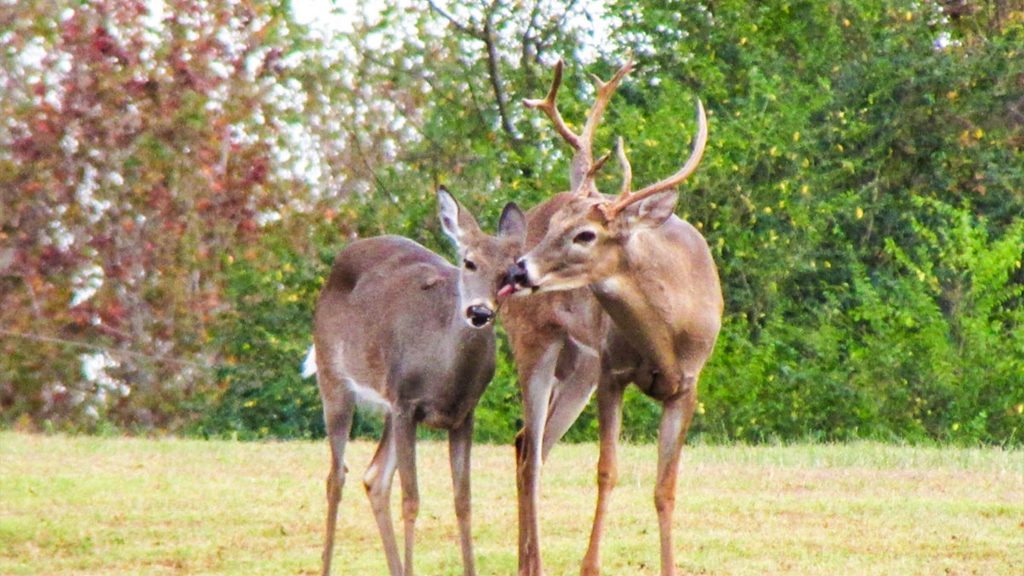

Tennessee had approximately 2,000 white-tailed deer left in the 1940s, according to the Tennessee Wildlife Resources Agency (TWRA). If you’re used to seeing them beside a road or feeding at a field’s edge, that scarcity can be hard to picture.
Their return is one of nine Tennessee wildlife comebacks worth understanding. Protection, habitat improvements, reintroductions, and natural expansion helped these animals regain ground. Some now live statewide. Others have returned to only part of their former range.
The differences are striking: wild birds succeeded where game-farm turkeys failed, eagles began nesting successfully again, and elk returned after more than a century away.
1. White-Tailed Deer: More Than 9,000 Relocated
Rebuilding Tennessee’s deer herd took decades—and a lot of moving deer.
From 1940 through 1985, state wildlife agencies released more than 9,000 deer into Tennessee counties and wildlife management areas. Enforceable hunting regulations, habitat management, and carefully managed harvests helped those populations grow.
Deer are now established statewide. A study published in 2025 produced a model-based estimate of roughly 891,000 Tennessee deer in 2023, using harvest records, hunter surveys, and demographic assumptions. That estimate carries uncertainty; it is not a direct count.
A deer feeding in a Cades Cove field offers a familiar view of that recovery. It also represents a shift in the work biologists face. If you’re planning a visit, our guide to Smokies crowd levels by month can help you choose when to go.
Where deer concentrate, browsing can damage vegetation, crops, and landscaping. Vehicle collisions create another concern, while chronic wasting disease requires continued monitoring. Conditions differ among local herds, so management now includes limiting abundance where necessary as well as keeping deer healthy.
2. Eastern Wild Turkey: Game-Farm Birds Failed
Tennessee’s early releases of game-farm turkeys failed to establish self-sustaining flocks. The approach that worked used birds already living in the wild.
Restoration with live-trapped wild turkeys began in 1951. Improved capture techniques later made it easier to move them into suitable habitat.
TWRA describes a few thousand turkeys surviving in only 18 counties during the 1950s. Today, the agency reports restoration to all 95 counties.
That return brought flocks back to fields and woodland edges across Tennessee. Regional declines and annual fluctuations, however, show that statewide restoration does not mean every local population is thriving.
Hens need nesting cover. Young birds need insects and low vegetation that provides concealment while allowing them to move. A landscape can look green and wooded to us while lacking the features a brood needs.
3. American Black Bear: Mountain Survivors and Plateau Releases
Some black bears survived in Tennessee’s eastern mountains, giving protection and habitat management a population to build upon. On the Cumberland Plateau, restoration took another route.
In 1996 and 1997, a partnership involving state and federal agencies and university researchers released 14 female bears from the Smokies into Big South Fork. Some dispersed; others established home ranges.
The National Park Service now documents adults and cubs throughout the park, which spans Tennessee and Kentucky. The cubs show that bears are reproducing in the area.
TWRA’s 2024–25 annual report estimated more than 6,000 bears statewide. Established populations remain centered in the Appalachians and northern Cumberland Plateau, although individuals can wander much farther.
For people living or vacationing in bear country, the responsibility starts with food. Our guide to black bears in the Smokies explains their seasonal feeding habits and how visitors can reduce conflicts. Secure garbage, pet food, and grills so a bear does not learn to find its next meal around a house or cabin.
4. River Otter: 137 Released in the Smokies
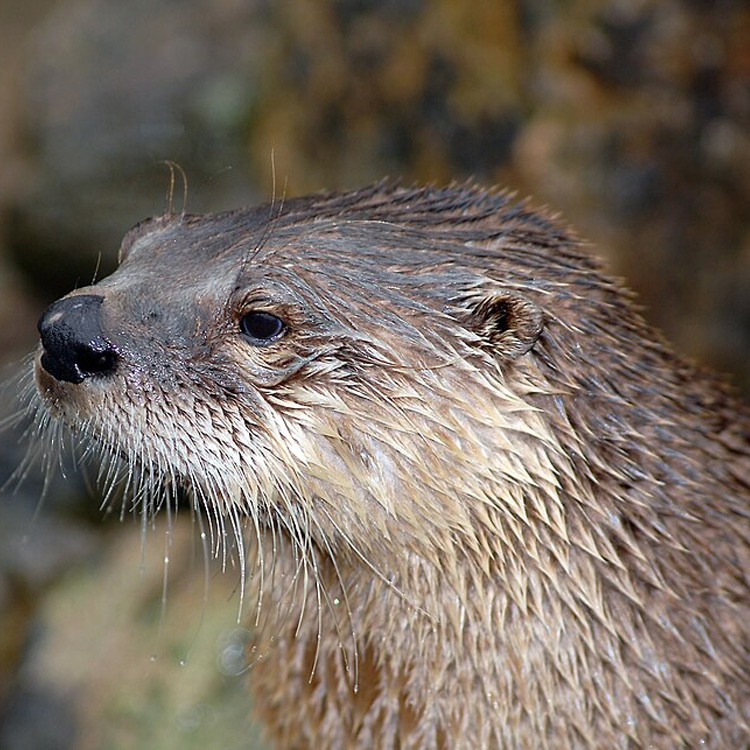
You may find an otter’s tracks before you see the animal. Their elusive habits make this comeback easy to overlook.
Western Tennessee experienced natural repopulation beginning in the 1950s. Farther east, deliberate releases helped restore otters to waterways where they had disappeared.
The Smokies program began in 1986 and released 137 otters over eight years across the park’s Tennessee and North Carolina landscape. Some traveled beyond their release areas, following connected waterways and crossing state boundaries.
In 2025, NPS described otters as established in the Smokies and believed to occur in every drainage. Their exact numbers and distribution remain unknown.
The park’s Otter Spotter project collects observations and photographs of animals or signs to help fill those gaps. If you explore public trails along Little River, watch from safe banks, leave dens undisturbed, and consider submitting what you find.
5. American Beaver: Common Again—and Reshaping Waterways
A beaver can change a place before most visitors ever see it.
Dams create ponds and alter water movement, providing habitat for other wetland wildlife. They can also flood timber, block drainage, or affect pond infrastructure.
Unregulated trapping severely depleted Tennessee’s beavers. TWRA now describes them as common across the state. That widespread presence supports a substantial historical comeback, although recent statewide population measurements are limited.
At Radnor Lake, structures and cut trees offer visible evidence of their work. Look for those clues from established public routes even when the animal stays out of sight.
Managing flooding can be more complicated than removing a resident beaver. Research in West Tennessee’s Wolf River bottomlands documented newcomers moving into an area after animals were removed. Where property is threatened, TWRA or a permitted wildlife damage professional can help assess site-specific options.
6. Wood Duck: Replacing Nest Sites Lost to Helene
Along the Nolichucky River in Greene County, Hurricane Helene destroyed trees with nesting cavities. Others were removed during recovery efforts. For wood ducks, that meant losing places to breed even where water remained.
TWRA reported installing replacement nest boxes in 2026. The work illustrates a need that helped shape this species’ comeback: suitable nesting spaces in wooded wetlands.
After a sharp decline in the early 1900s, Tennessee’s wood ducks began increasing in the early 1960s, according to TWRA’s species account. Migratory-bird protection, maturing woodlands, and public and private nest-box programs contributed to their return.
The agency now describes wood ducks as Tennessee’s most common nesting duck, although recent Tennessee population measurements are limited.
Boxes supplement natural cavities and require suitable locations, predator protection, and maintenance. TWRA provides wood-duck nest-box plans for landowners considering one.
7. Bald Eagle: Nesting Returned in 1983
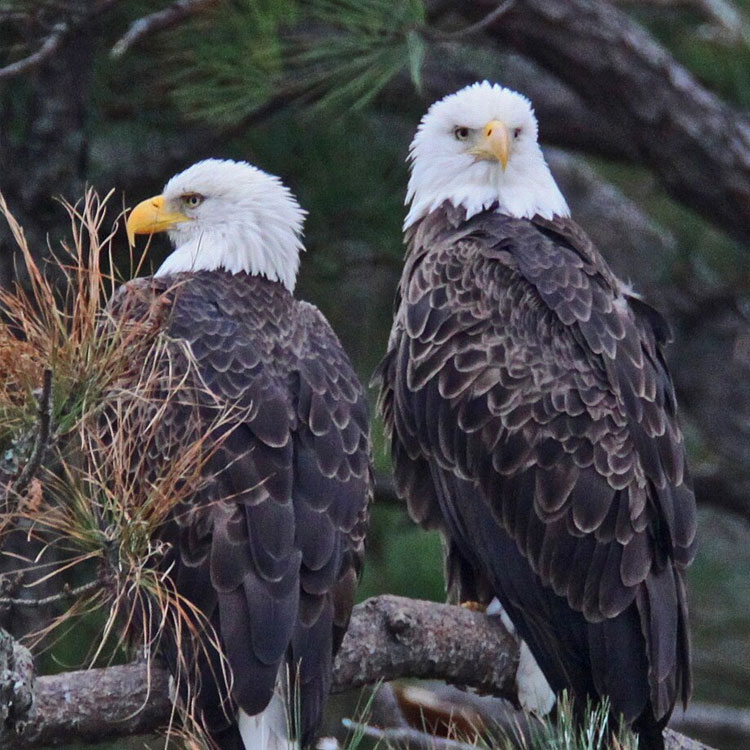
Tennessee went more than two decades without a known successful bald eagle nest. Successful nesting returned near Dover in spring 1983, ending the gap that began in 1961.
Eagles could still visit during that interval. Raising young in Tennessee was the missing milestone.
Reduced pesticide exposure following the national DDT ban, legal protection, nesting habitat, and Tennessee release efforts all contributed to recovery.
In October 2026, TWRA reported more than 375 established nests in Tennessee. Established nests are not the same as successful breeding pairs or young raised, but the figure shows how broadly nesting has returned.
At Reelfoot, winter migrants join resident birds around the lake. Bring binoculars, respect protected nesting areas, and keep discarded fishing line out of the water.
8. Osprey: More Than 150 Nests in a Partial Survey
TWRA’s historical account records about three active osprey nests in Tennessee in 1980 and 131 in 1999. In 2012, waterbird surveys found more than 150 nests while covering only about 10% of the state’s river miles.
That was a partial survey, not a statewide census. A recent statewide nest count was not available.
Pesticide restrictions, releases of young birds, nesting structures, and suitable aquatic habitat contributed to recovery. Reservoirs expanded habitat for a bird that had historically been a rare Tennessee breeder.
Artificial supports also create challenges. Safe platforms offer nesting sites, while nests on electrical equipment can require intervention by utilities and wildlife agencies.
For watching, Hiwassee Refuge lists osprey as common to abundant from March through September. Its observation platform is open year-round, including during the broader refuge’s seasonal closure from November 15 through the last day of February. Use binoculars from the viewing area without approaching nests. For a different seasonal visit, our guide to winter sandhill-crane watching explains Hiwassee’s viewing options.
9. Elk: Back After More Than a Century
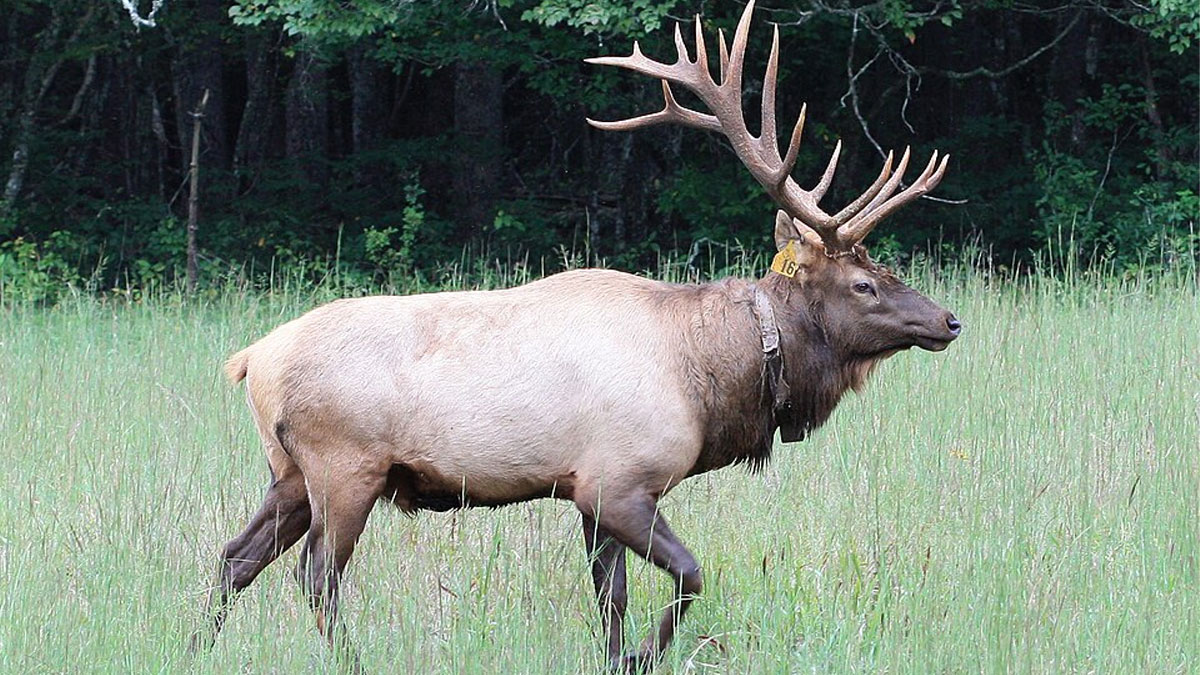
TWRA cites an 1865 killing in Obion County as Tennessee’s last historical elk record. Releases began in December 2000, more than a century later.
By March 2008, 201 elk had been released. Reproduction and continued management established the herd that followed.
Tennessee’s original eastern elk subspecies is extinct. The restoration used Manitoba elk, another subspecies of the same native species. These animals return elk to part of their historical range without recreating the exact population that once lived here.
In November 2025 reporting, TWRA officials estimated about 400 Tennessee elk. The herd remains centered on North Cumberland Wildlife Management Area and surrounding country, where habitat work and protection from illegal killing remain important.
Hatfield Knob’s viewing tower offers a public place to look for them. Early or late daylight can be rewarding, and fall may bring bugling. TWRA’s live camera provides another way to watch.
More from Real Tennessee Life…

Tennessee Returned a Record 169,303 Unclaimed Property Claims. So Why Did the Checks Get Smaller?

Three Liver Transplants in 12 Hours: How Vanderbilt’s Team Did It and Why Nashville’s Transplant Center Is the Nation’s Busiest