
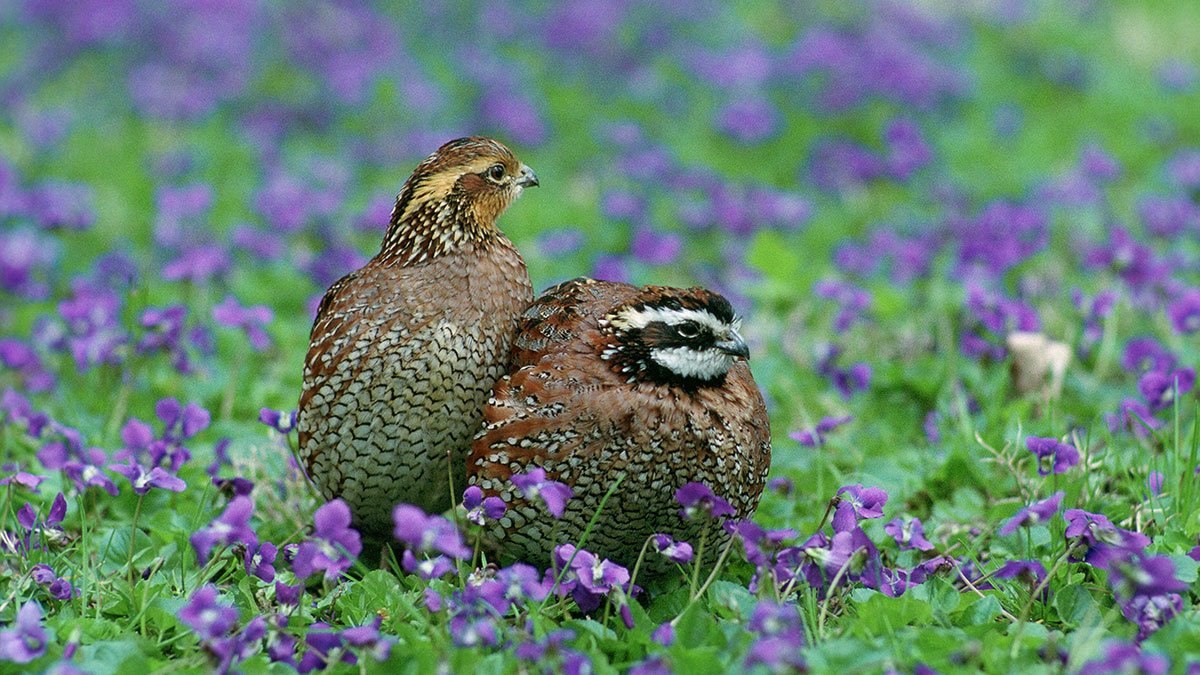

Helping Tennessee’s state game bird can mean cutting down trees.
At the Ames AgResearch and Education Center in Grand Junction, crews are opening dense woodland to rebuild habitat for bobwhite quail. Now, multiple groups of wild birds have been spotted on the property.
The University of Tennessee reported the sightings in its October 12 announcement. Since a partnership with conservation nonprofit Tall Timbers began in 2025, approximately 1,500 acres have been treated within more than 5,000 acres of bird dog competition grounds.
For Tennessee landowners, the useful question is what their own property could contribute.
TWRA says more than 90% of Tennessee land is privately owned. That makes decisions about fields, timber and farm edges part of the larger conservation picture. A research center can demonstrate what restoration involves; private owners help determine what habitat exists beyond its boundaries. arts.tn.gov
Why Cutting Trees Can Help Quail
It sounds like a contradiction alongside Tennessee’s effort to collect white oak acorns for forest restoration. One project needs more trees. Another is removing some.
The distinction is the habitat each project is trying to create.
Ames is using thinning, mulching and prescribed fire to develop open savanna. Bobwhites need vegetation beneath the trees for nesting and raising chicks.
“We cannot expect pen-raised quail to establish a permanent population,” Alex Jackson, Tall Timbers’ Mid-South regional program director, said in UT’s announcement. Institute News
Our takeaway for landowners: choose the habitat goal before choosing the work. Planting trees and thinning trees can both serve conservation purposes, but neither is a universal prescription for a Tennessee property.
Ames also has a specialized role as a bird dog competition site. Its management program should inform the questions you ask a biologist, rather than become a shopping list of treatments to copy.
Mowing Less Still Requires a Plan
A closely cut field may look cared for while offering little cover for nesting wildlife.
In mowing guidance from UT Extension and TWRA, specialists explain that old fields with grasses, clovers and broadleaf plants provide nesting and brood-rearing habitat. They recommend considering mowed paths when access is the goal, allowing the rest of the field to retain cover.
Waiting until after mid-August greatly reduces the risk of killing or injuring nesting and newborn wildlife. It does not establish that every nest is finished afterward. utianews.tennessee.edu
That gives a landowner a useful distinction to make: which areas genuinely need to be cut for access or production, and which are being cut simply because they always have been?
Working hayfields, grazing land and required access routes need advice suited to those uses.
There is another distinction, too. Reducing unnecessary mowing does not mean abandoning a field indefinitely. Mississippi State University Extension explains that vegetation changes over time, and fields can become too woody or develop dense ground conditions unsuitable for quail. extension.msstate.edu
The practical goal is to keep useful cover available through planned management. Ask what should happen this season and what will keep the area suitable several years from now.
That second question matters when judging whether a project fits your time and budget.
What Your Property Could Contribute
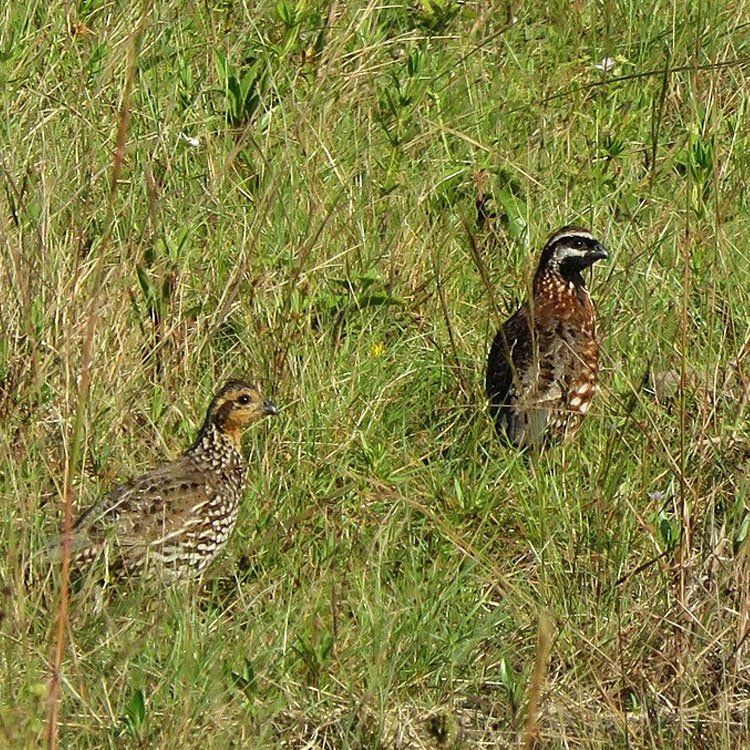
Bobwhites need a mixture of native grasses, broadleaf plants and protective shrubs. Chicks also need places where they can move along the ground and find insects.
Mississippi State’s regional guidance says smaller managed properties can help survival and reproduction, but isolation and surrounding habitat affect their usefulness. Nearby birds matter, too. Mississippi State University Extension Service
For a smaller landowner, that changes the question from “Do I own enough acres?” to “What could my acres contribute here?”
Use these questions to organize a property assessment.
| What you have | What to ask a habitat biologist |
|---|---|
| A field regularly cut for appearance | Could paths provide the access I need while retaining useful cover elsewhere? |
| Dense woods beside an open field | Would changes along this edge help quail, and what would maintenance involve? |
| A smaller parcel near other rural properties | Would coordinating with neighbors make habitat improvements more useful? |
| Land you are considering planting | What useful plants are already present, and is purchased seed necessary? |
That last question can prevent an unnecessary purchase. Mississippi State notes that some sites already have beneficial native plant seeds in the soil, and food plots are not always needed. Mississippi State University Extension Service
An assessment can help you decide where spending would solve a real problem.
What the Ames Sightings Actually Tell Us
The sightings are encouraging, but UT provides no bird count or population trend establishing recovery.
Ames has used pen-raised quail for competitions because wild numbers were insufficient. Plans include moving wild birds to the property over several years, alongside continuing habitat management. Institute News
That distinction matters when following restoration news, including Tennessee’s separate long-running lake sturgeon comeback effort. Seeing wildlife, releasing wildlife and establishing a lasting population are different milestones.
For future Ames updates, the questions we would ask are straightforward: Are birds successfully raising young? Are they surviving from year to year? How are those outcomes being monitored?
Those answers would show more than a sighting alone. They would help readers judge whether the habitat is supporting birds through the stages needed for a lasting population.
Get Free Advice Before Committing Money
Tennessee landowners can explore their options without first signing up for a funding program.
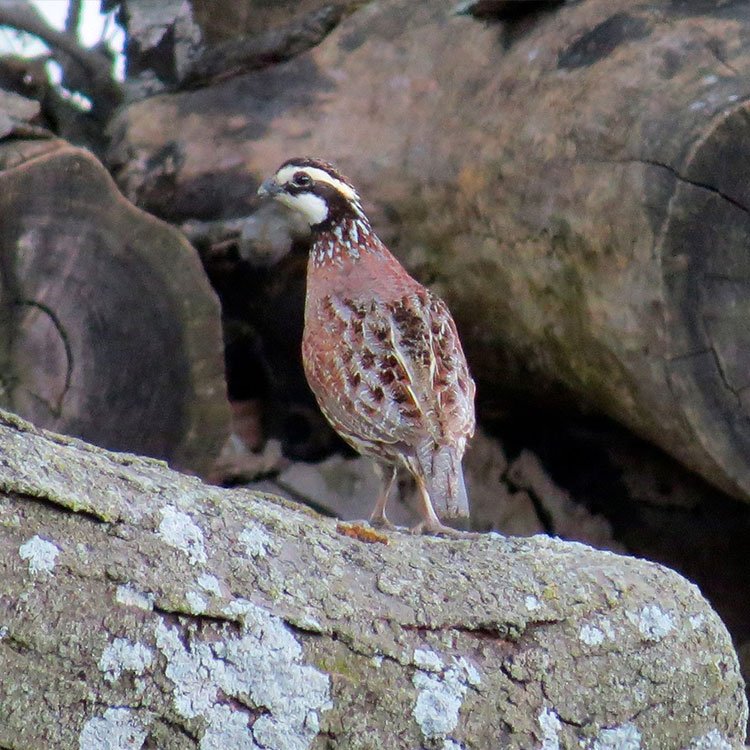
TWRA says technical assistance and habitat management plans are free, and participation in a formal conservation program is not required. TWRA and Quail Forever habitat biologists can meet with landowners or property managers and discuss suitable improvements. tn.gov
To make that conversation useful, we suggest gathering:
- Your county, approximate acreage and a map or aerial image.
- Photos of fields, woods and the areas between them.
- Notes about mowing, grazing, hay production and timber use.
- Recent quail sightings or calls, with dates and locations.
- The time and money you could realistically devote to maintenance.
Then ask the biologist to identify the most useful first change, explain what continuing work it requires, and say whether neighboring land would affect the outcome.
Our advice is to compare the first-year work with the commitment that follows. A project that fits your equipment, schedule and land use is easier to evaluate than an ambitious plan with maintenance you have not budgeted for.
The consultation is free; carrying out recommendations may cost money. Tennessee NRCS’s Environmental Quality Incentives Program may help eligible agricultural producers and forest landowners. Applications are ranked, and funding is not automatic. www.nrcs.usda.gov
If you do not manage acreage, our guide to places to enjoy nature in Tennessee offers public outings without taking on a habitat project.
For landowners, the next step is a conversation: find a TWRA or Quail Forever habitat biologist, explain what you have, and ask what your property could realistically contribute.




2 thoughts on “Wild Bobwhite Quail Spotted at Ames and What Tennessee Landowners Can Learn”