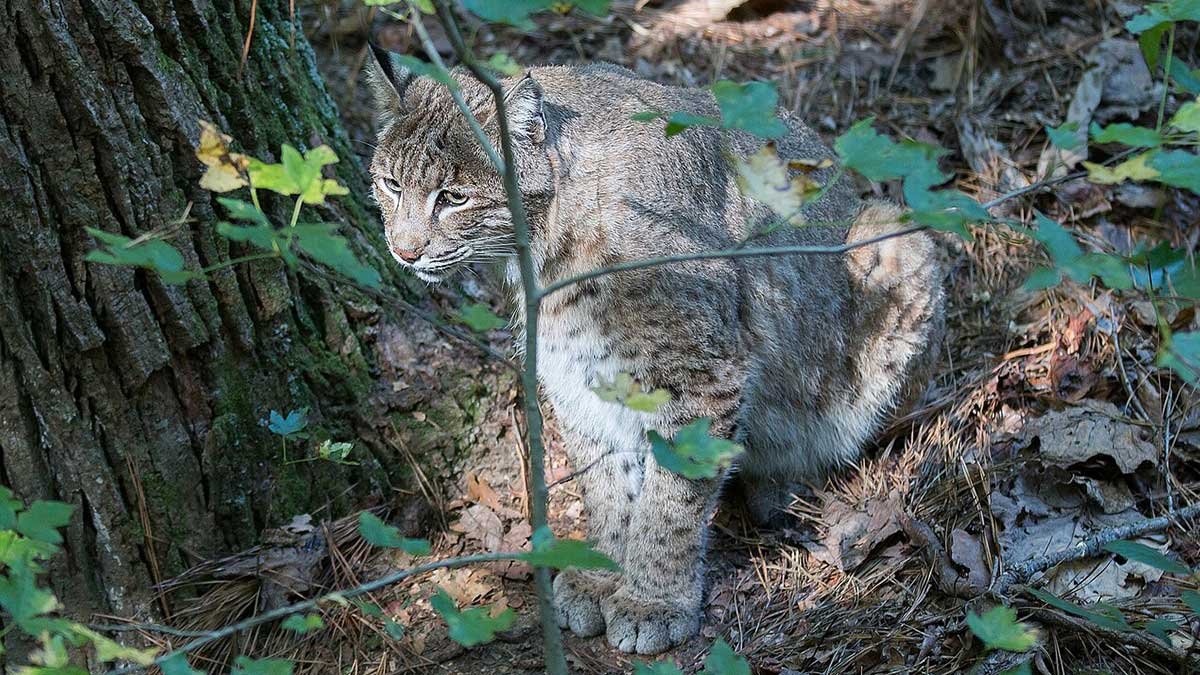

T’challa cleared a fence fitted with a hot wire. He still needed a familiar person to bring him home.
The escaped bobcat from For Fox Sake Wildlife Rescue in Chattanooga’s East Brainerd area was found in the woods by his owner and followed them back to his enclosure. The rescue announced his safe return Tuesday afternoon, November 3, 2026, according to Local 3 News.
For neighbors watching for him, the search was over. For his caregivers, the daily work continued.
T’challa needs permanent care because a veterinarian determined that he lacked the skills to survive independently.
Why Returning to Care Was the Right Outcome
In its 2020 account of T’challa’s early life, For Fox Sake described a kitten who missed developmental milestones and showed little interest in hunting. Staff kept their distance to encourage wild behavior, but he remained unusually friendly toward people.
At four months old, a veterinarian assessed him as unsuitable for release and unlikely to develop the necessary survival skills. The rescue also reported that other bobcats rejected and attacked him.
That history changes how we should read his escape.
Wildlife stories often celebrate animals living freely, including wild bobwhite quail returning to restored habitat at Tennessee’s Ames research center. T’challa’s circumstances call for a different measure of success: whether his needs are being met in a setting where he can survive.
Clearing a hot-wire fence proves he can jump. It doesn’t prove he can hunt or defend himself, and those are the skills his vet said he’d never develop.
Permanent care also deserves a careful distinction from pet ownership. The rescue’s account ties its decision to an individual assessment and warns against expecting other bobcats to share his temperament. Loving an animal isn’t a reason to keep one.
Bobcats are native Tennessee wildlife, which the state regulates far more strictly than exotic animals like kangaroos or giraffes. Here’s what Tennessee law says about which animals you can own.
The encouraging part of this story is that a vulnerable animal returned to the care arranged for him. That outcome matters even though it will never become a release-to-the-wild story.
What Neighbors Could Do, and What Readers Can Do Next
During the search, staff used traps and cameras. Local 3 reported that the rescue asked neighbors to send sightings, with photographs if possible, while leaving capture to the people caring for T’challa.
Staff described him as no danger to people or pets, but warned that handling by a stranger could cause him to panic and scratch.
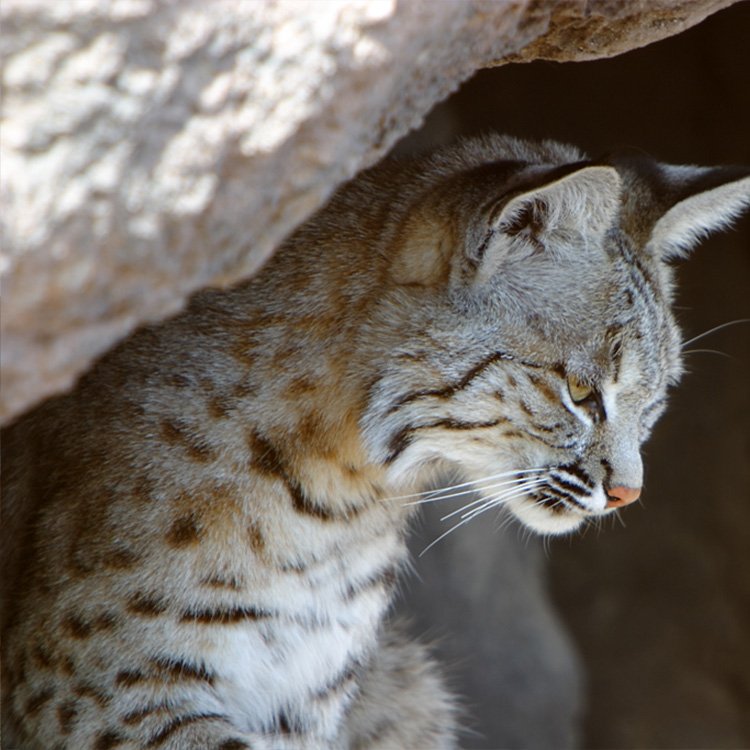
If another bobcat appears to need help, start a new assessment with a qualified rehabilitator. T’challa’s history cannot tell you what is happening with an unfamiliar animal.
Use TWRA’s licensed wildlife rehabilitator directory, select Bobcats, and organize your call around these questions:
| Before taking action | What to tell or ask the rehabilitator |
|---|---|
| Establish the location | Where is the animal, and when did you last see it? |
| Explain the concern | What injury or specific behavior did you observe? |
| Confirm help is available | Does this provider accept bobcats, and can they take this case? |
| Get instructions | What should you do while waiting, and should anyone transport the animal? |
Describe what you actually observed. “It is beside the road and appears unable to stand” gives the person answering more to work with than “It needs rescuing.”
Wait for the rehabilitator’s advice before you touch the animal or try to move it.
Helping After the Missing Alert Ends
If you shared the missing post, add the return update to it. That gives people who saw the original alert a clear endpoint and reduces confusion about whether the search remains active.
Readers who want to support the rescue can check For Fox Sake’s current needs and donation information. Its website identifies food, veterinary care and enclosure construction among the expenses donations support.
Those ordinary costs explain why a safe-return announcement is only one part of a rescue’s work. Permanent care is an ongoing commitment, including the days when there is no missing alert to share.
For separate wildlife guidance and more Tennessee reporting, see our articles on black bears in the Smokies and endangered bats documented during a Tennessee wildlife survey.