
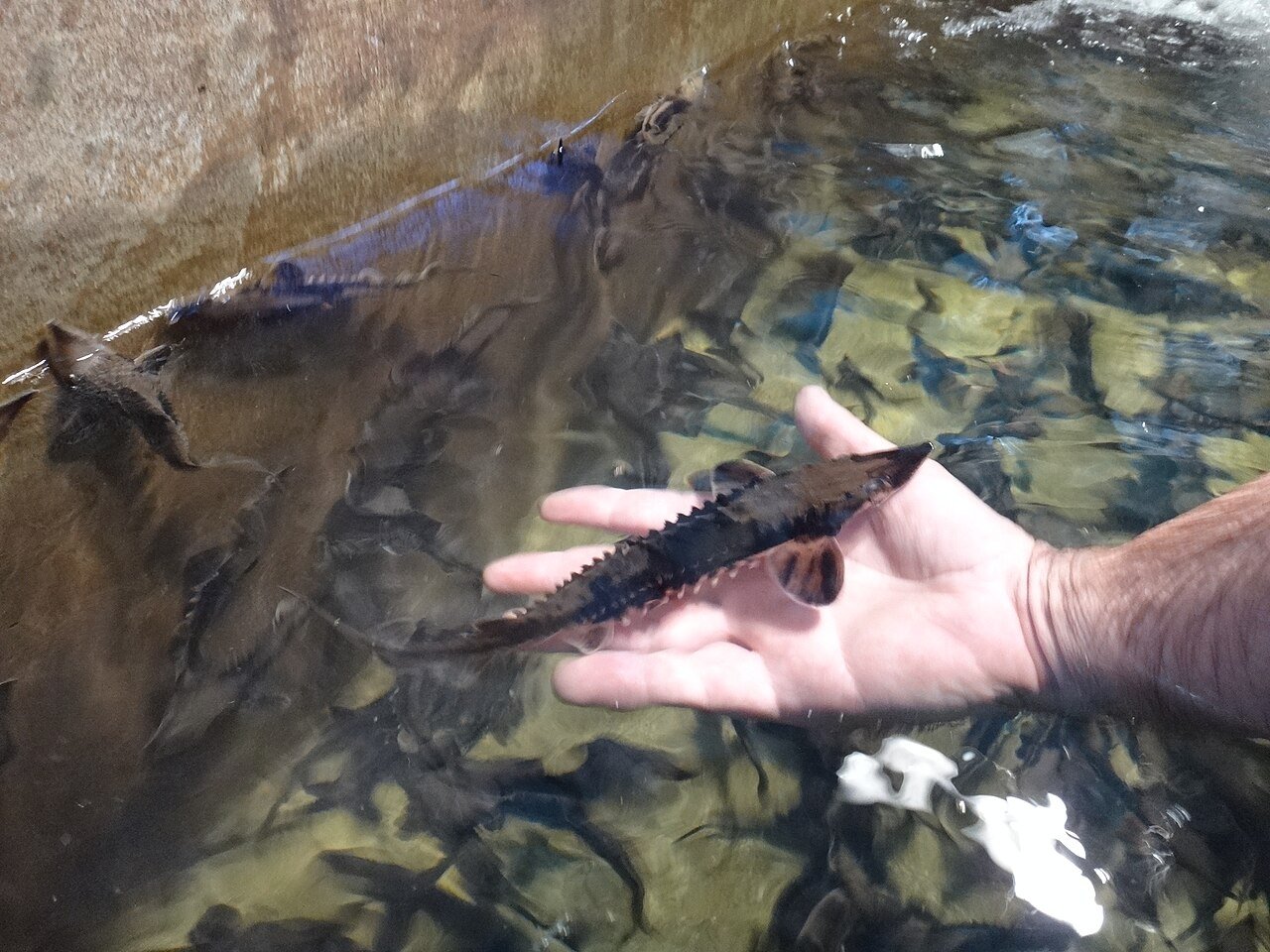

Lake sturgeon can live up to 150 years. Tennessee lost every one of them in a fraction of that time.
The last wild-born lake sturgeon documented in the Tennessee River turned up in 1963. By the 1970s, the species was gone from the state.
On Tuesday, October 13, 2026, 531 more went back in.
The Tennessee Aquarium Conservation Institute released the juvenile sturgeon into the Tennessee River at Coolidge Park in Chattanooga, according to WTVC NewsChannel 9. Aquarium scientists and staff were joined by fall break campers, community leaders, and members of the public. It marks the 26th year of an effort that has now returned hundreds of thousands of these fish to Tennessee waters.
The aquarium and Coolidge Park also feature in the Chattanooga section of our guide to Tennessee locals’ favorite places to visit.
Born in Wisconsin, Raised in Chattanooga
These sturgeon started out hundreds of miles north. Their eggs were collected from wild lake sturgeon spawning in Wisconsin, where the species still has healthy populations.
The young fish then spent months growing at the Tennessee Aquarium Conservation Institute’s freshwater field station before going into the river.
Tennessee’s rivers and lakes offer plenty to explore above the surface, too. Our guide to where to enjoy nature in Tennessee includes river scenery, wetlands, and lakeside walks.
They’re small now, but they won’t stay that way. According to the Tennessee Aquarium, lake sturgeon can grow several feet long. With a lifespan of up to 150 years, some of the fish released last week could still be swimming in the Tennessee River well into the next century.
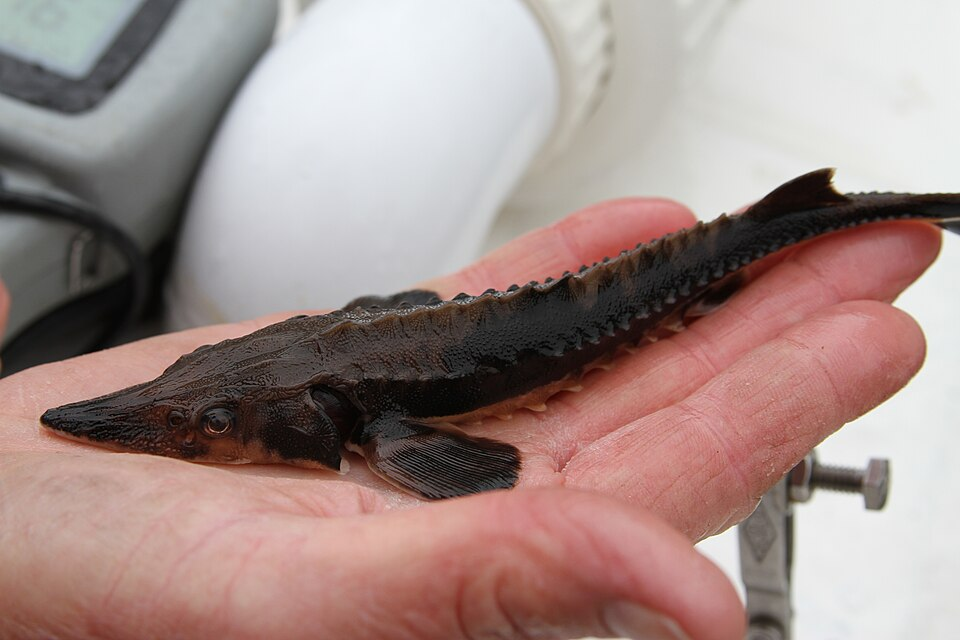
How Tennessee Lost a Fish That Outlives People
Lake sturgeon once lived naturally throughout parts of the Tennessee River system. Over the 20th century, overfishing, declining water quality, and dam construction wiped them out of the state.
On land, another restoration project is tackling a different wildlife decline, with wild bobwhite quail recently spotted at Ames Plantation after habitat improvements.
The comeback started in 1998 with the Southeast Lake Sturgeon Working Group. The Tennessee Aquarium helped found the partnership, which includes the Tennessee Wildlife Resources Agency, the Tennessee Valley Authority, the U.S. Fish and Wildlife Service, and other organizations.
The first fish went into the water in 2000. Since then, hundreds of thousands of young lake sturgeon have been released into the Tennessee and Cumberland river watersheds.
The Real Finish Line: Sturgeon Born in Tennessee
The effort is working, slowly. In 2025, Tennessee moved the lake sturgeon’s state classification from endangered to threatened. The fish is still protected.
But stocking a river and restoring a species are two different things. Lake sturgeon take years to reach reproductive maturity, so success depends on fish that were released long ago.
That wait may be ending. In 2025, Tennessee Aquarium scientists reported that some previously released sturgeon had reached maturity, and they were hopeful natural spawning was underway. It hadn’t been confirmed yet.
The goal isn’t to keep adding young fish forever. It’s a population that produces the next generation on its own, and continued monitoring is how scientists will know when that happens.
Monitoring matters for other species, too. A recent survey found two endangered bat species in Tennessee, while leaving questions about their population trends unanswered.
The goal isn’t to keep adding young fish forever. It’s a population that produces the next generation on its own, and continued monitoring is how scientists will know when that happens.
If You Hook a Lake Sturgeon
The rules: Lake sturgeon are classified as threatened in Tennessee. According to the Tennessee Wildlife Resources Agency, anglers can’t target them, and any sturgeon caught by accident must be released immediately.
Report it: The agency asks anglers to report accidental catches, including the location, approximate size, and time. Those reports help biologists track where the fish are going and how the restoration is doing.
How to report: Use the agency’s Lake Sturgeon Project webpage, or call the TWRA Fisheries Division at 615-781-6575.
The release site: Coolidge Park, on the Tennessee River in Chattanooga.
For more places to spend time watching wildlife, explore these Tennessee parks recommended by locals, including Reelfoot Lake and Seven Islands State Birding Park.
Release details via WTVC NewsChannel 9. Species and fishing information from the Tennessee Aquarium and the Tennessee Wildlife Resources Agency.



1 thought on “531 Prehistoric Fish Released Into Tennessee River as 26-Year Comeback Effort Continues”