
Across the eastern United States, about 60% of the forests where white oaks grow have no white oak seedlings coming up beneath them. About 87% have no young white oak saplings at all.
The giant oaks are still standing. The trees meant to replace them aren’t there.
Tennessee is asking for help fixing that, one acorn at a time, and the deadline is Sunday, November 15.
You don’t need to own land or know anything about forestry. And if you’ve ever had a sip of Tennessee whiskey, you already have a stake in how this turns out.
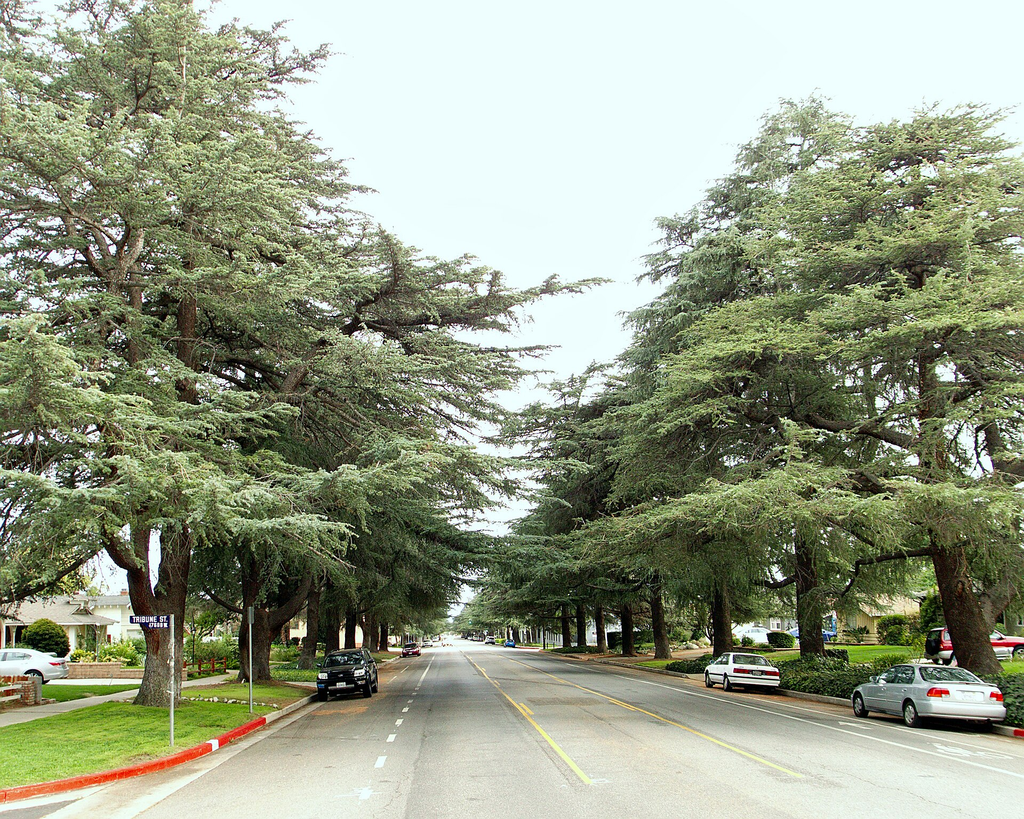
The Giants Are Still Standing. Their Replacements Aren’t.
A forest can look perfectly healthy from the road. Tall, wide white oaks, plenty of shade, acorns everywhere in the fall. The problem is on the forest floor.
A conservation plan from the White Oak Initiative, a coalition of industry, conservation groups, government agencies, and universities, found that about three-quarters of all white oak in U.S. forests is already mature. Without new trees growing in, the group warned the white oak population could start a steep decline within the next 10 to 15 years.
“White oak regrowth has declined in Tennessee’s forests,” State Forester Heather Slayton said in announcing this year’s program.
Why young white oaks struggle:
- They have a hard time competing for light under mature forest canopies.
- Invasive species crowd them out.
- Changes in land use and climate are adding pressure.
The U.S. Forest Service has laid out the problem in detail, and the fixes experts recommend include careful logging, controlled burns to open up the forest floor, and planting more seedlings. That last one is where you come in.
Restoration like this can work. In another Tennessee project, wild bobwhite quail returned to a state research center after a major habitat restoration effort.
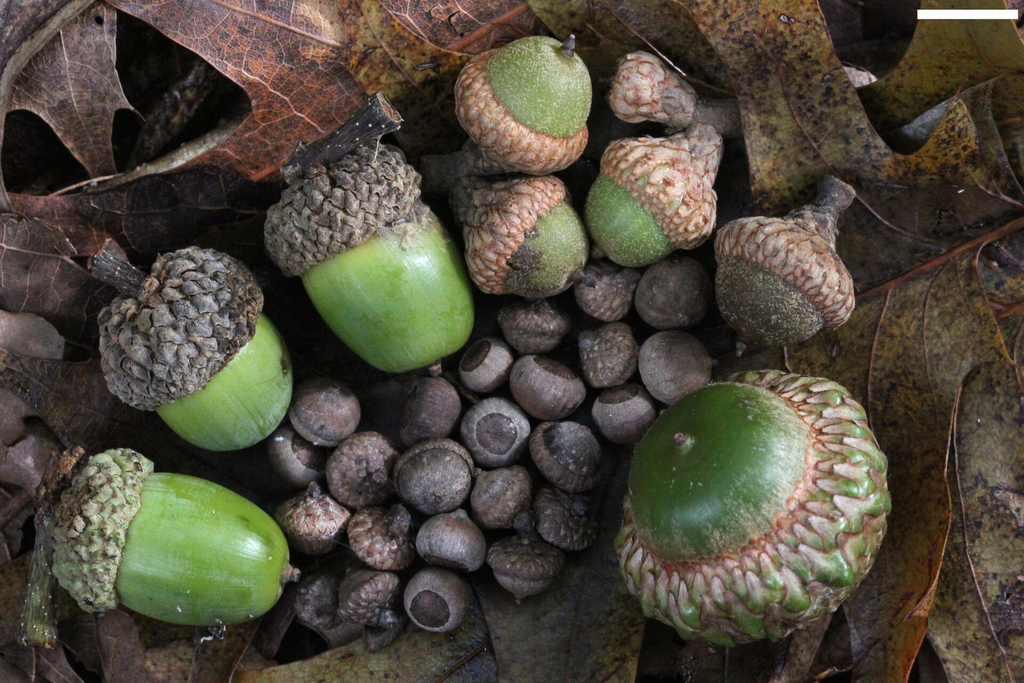
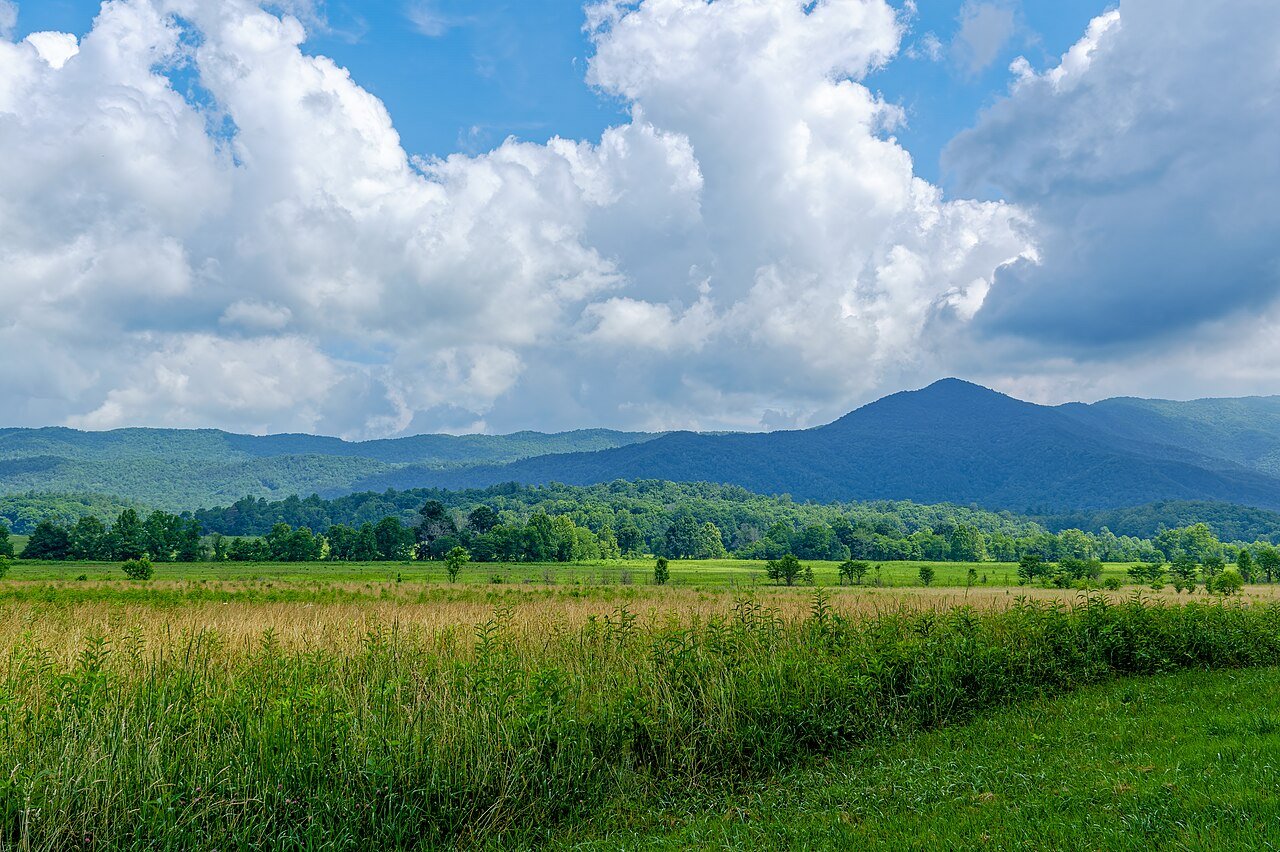
David Hill, CC BY 2.0, via Wikimedia Commons
What Tennessee Whiskey and Smokies Bears Have Riding on This
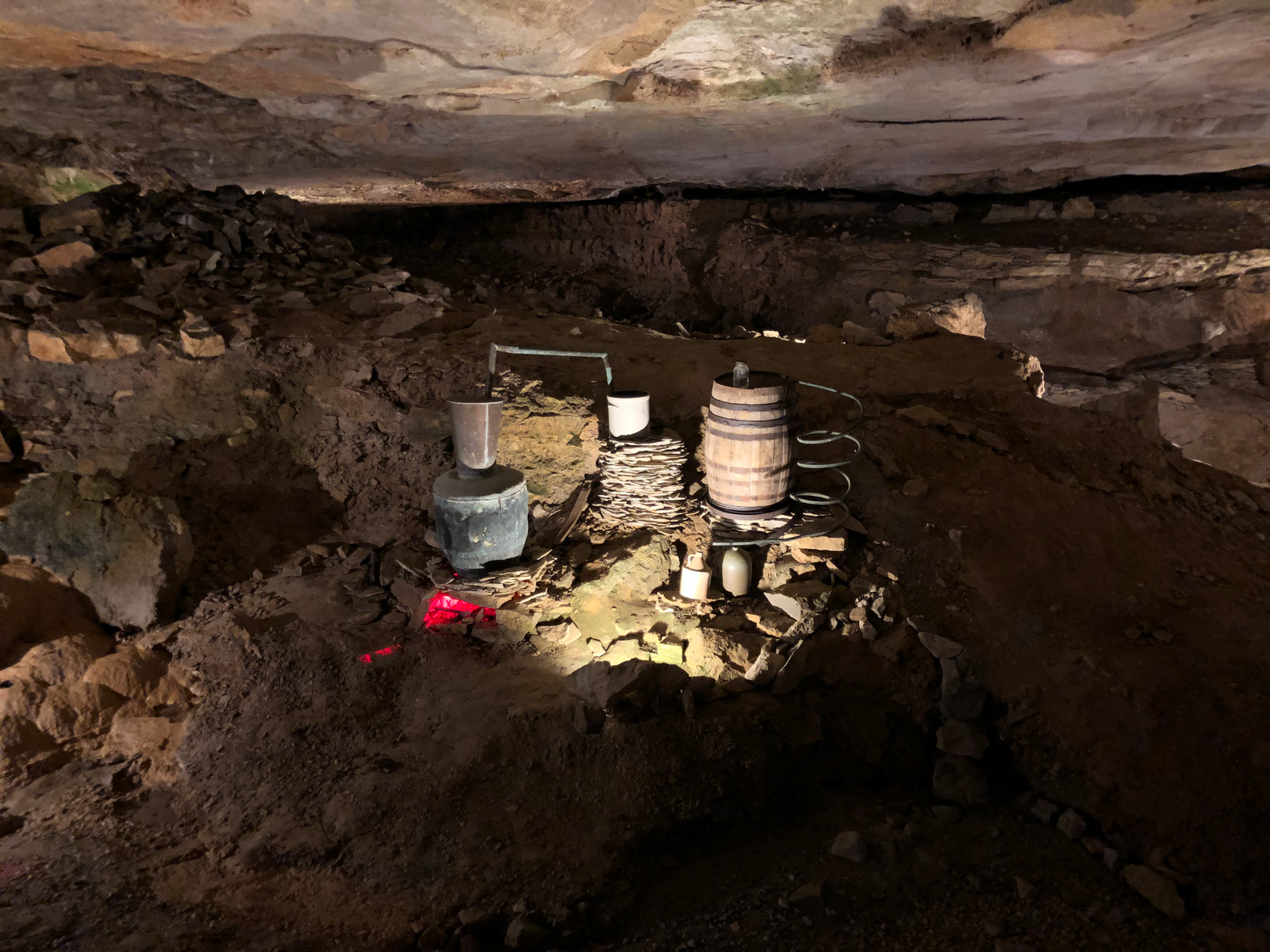
The whiskey connection. Tennessee whiskey and bourbon both have to age in new, charred oak barrels, and white oak is the wood of choice. Every barrel used once for those spirits means more white oak has to come out of the forest.
That’s why whiskey makers are paying attention. Brown-Forman, the company behind Jack Daniel’s in Lynchburg, has joined the White Oak Initiative and plans to buy half of its logs from sustainably managed forests by 2035. The next time you take the Jack Daniel’s distillery tour, every barrel you walk past started as a tree like the ones this program is trying to replace.
The wildlife connection. White oak is a keystone tree for Tennessee wildlife, and its acorns are one of the forest’s most important fall foods. Right now, Smokies black bears are eating up to 20,000 calories a day to get ready for winter, and acorns are a big part of that menu. Fewer white oaks would mean less of it.
Why the State Wants Your Acorns Instead of Buying Seed
Every year, the state’s East Tennessee Nursery in Delano, in Polk County, grows a big crop of white oak seedlings for restoration projects across Tennessee. In recent years, though, seed suppliers haven’t been able to keep up with what the nursery needs.
So for the sixth year in a row, the Tennessee Department of Agriculture’s Division of Forestry is asking the public to fill the gap, working with UT Extension and the Tennessee Forestry Association.
Your acorns are actually better than store-bought seed in two ways:
- Stronger trees. The state says wild-collected seed tends to produce higher-quality, larger, and stronger seedlings.
- Tennessee genes. Gathering acorns from all over the state keeps the seedlings native to Tennessee and gives them a wide mix of genetics, which helps young forests handle disease and changing conditions.
You won’t plant anything yourself. The nursery grows the seedlings, and those trees go into reforestation projects around the state.
Is That Really a White Oak? A 30-Second Check
The program only wants acorns from true white oak, Quercus alba. Tennessee has plenty of other oaks, and a bag of red oak acorns won’t help. Here’s a quick way to tell them apart:
| White oak | Red oak group | |
|---|---|---|
| Leaf tips | Rounded, finger-like lobes with no bristles | Pointed lobes ending in tiny bristles |
| Bark | Light gray, often flaky or in loose plates | Darker, with ridges that look like long stripes |
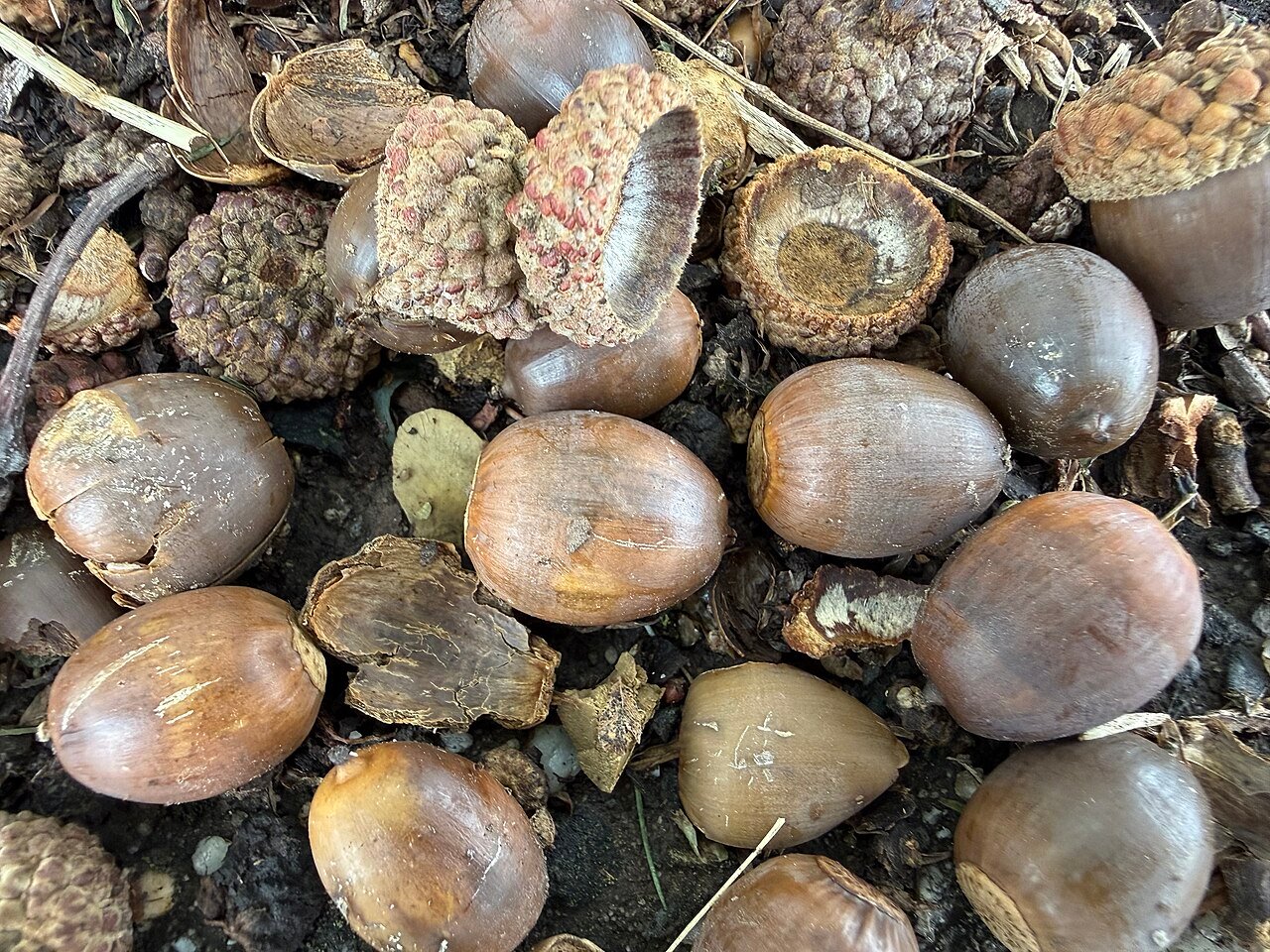
| Acorns | Oblong, with a shallow, bumpy cap | Often rounder, with a smoother or scaly cap |
| Acorn timing | Ripens in one growing season | Takes two seasons to ripen |
When in doubt, check the leaves on the ground under the tree you’re collecting from. Rounded lobes with no bristle tips put you in the white oak family. A few close cousins, like post oak and bur oak, have rounded lobes too, so use the photos in the program’s official collection guide to confirm you’ve found the real thing.
Why You Get 7 Days, Not 7 Weeks
The program asks you to drop off or ship your acorns within seven days of collecting them. There’s a reason.
Unlike red oak acorns, which wait until spring, white oak acorns are ready to sprout soon after they hit the ground in the fall. Leave them in a warm garage or a sealed plastic bag for a few weeks, and they can dry out, mold, or start germinating before they ever reach the nursery.
That’s also why the instructions call for a breathable bag and a cool spot, not freezing. A fridge, a basement, or a cool garage works.
Two quick checks for a good acorn:
- The cap pops off easily. Look for acorns whose caps have already separated, with no cracks, holes, or visible damage.
- It doesn’t rattle. If you shake an acorn and hear something loose inside, it’s not viable. Toss it.
Your White Oak Acorn Collection Guide
Deadline: Sunday, November 15, 2026.
Who can help: Anyone. Individuals, families, landowners, civic groups, forestry groups, and youth organizations are all welcome. It’s an easy fall weekend project for scouts, a homeschool group, or kids who like a treasure hunt.
Where to collect: Your own yard, or anywhere you have permission. Acorns on private property or protected public land aren’t free for the taking.
Step by step:
- Confirm the tree is a white oak, using the check above and the official guide.
- Collect acorns with separated caps and no damage, in a box, mesh bag, paper bag, or another breathable container. Skip plastic.
- Label each bag with a slip of paper listing your name, phone number, email, collection location, date, and species. Use a separate bag for each location if you can.
- Store them somewhere cool but not freezing, like a fridge, cellar, basement, or garage.
- Deliver within 7 days to a designated cooler drop-off location, or ship them to the East Tennessee State Nursery.
Find a drop-off cooler and the full guide: The Tennessee Forestry Association’s white oak acorn collection page lists cooler locations and has a downloadable guide with identification photos and contacts for your area forester.
A bag of acorns from one backyard won’t fix Tennessee’s forests on its own. But the white oaks your grandchildren hike under have to start somewhere, and some of them could start with an afternoon in your yard this fall.
Details via the Tennessee Department of Agriculture Division of Forestry, the Tennessee Forestry Association, the White Oak Initiative, and the U.S. Forest Service.