
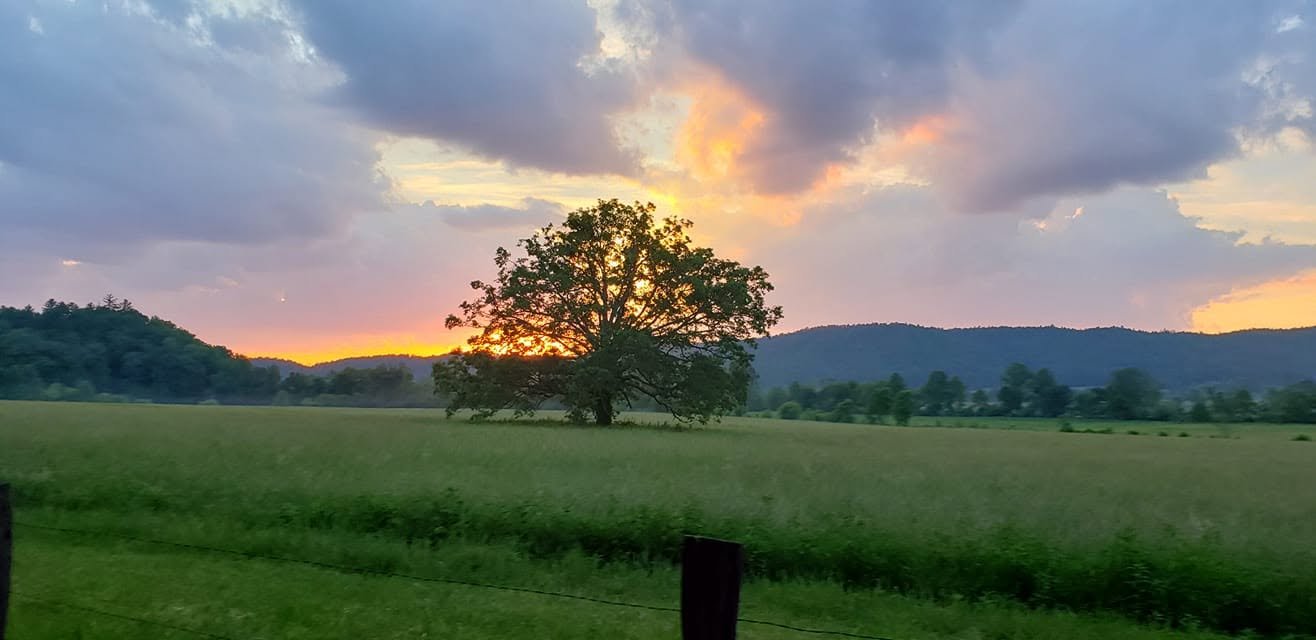

A favorite park can be the place you go for a waterfall, a quiet walk, or a view that makes you stop talking for a minute. Sometimes the attachment goes back much further. One response to this question described growing up with grandparents living on opposite sides of the same park.
I asked Tennessee locals on Facebook, “What is your favorite park in Tennessee and why? Share photos if you have them!” The answers included mountain scenery, lakes, walking trails, and places wrapped up in family memories.
These ten community favorites came from that informal discussion. Several places tied, and each offers a different reason to plan a visit.
For outdoor ideas beyond park boundaries, explore our guide to where to enjoy nature in Tennessee, including river drives and mountain overlooks.
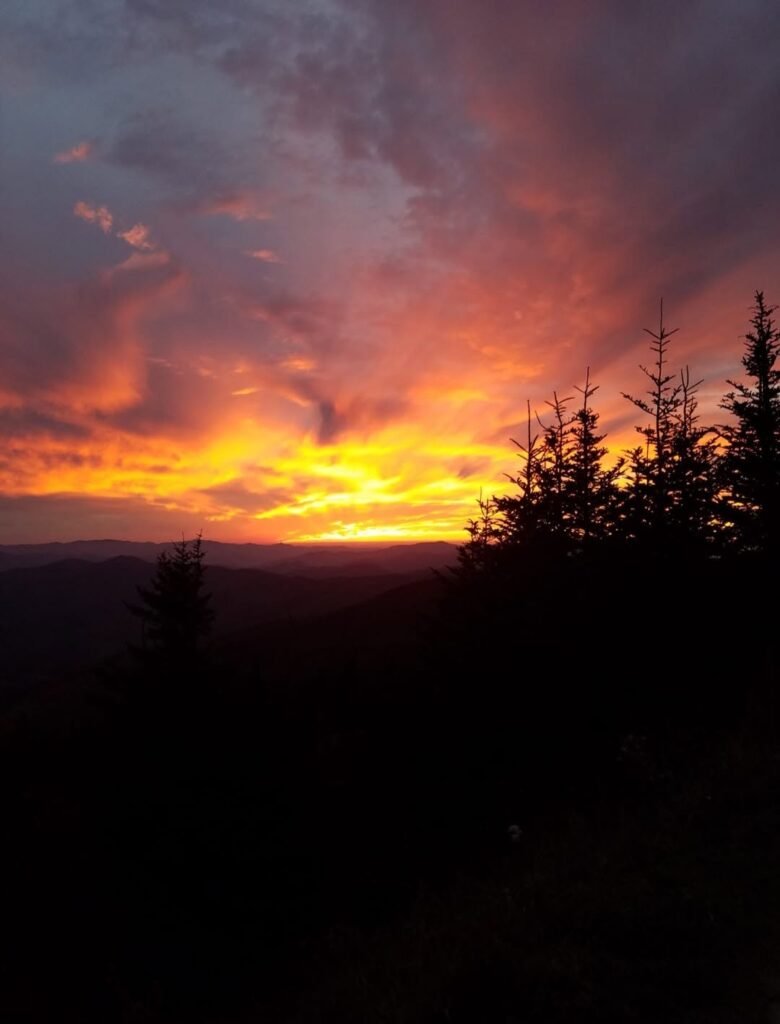
#1 Great Smoky Mountains National Park
The Smokies give you plenty of ways to spend a day. You can follow a stream through the woods, drive toward the higher ridges, or tackle a climb with a mountain view waiting at the top. Start by deciding how much walking you actually want to do.
For a gentle forest walk, the Sugarlands Valley Nature Trail near Gatlinburg is a useful option. Its half-mile paved loop is flat and wheelchair accessible, with streamside scenery and old stone chimneys along the way. That makes it a manageable choice for a group with different walking abilities.
For broader views, follow Newfound Gap Road up through the mountains, leaving time for overlooks. Trying to squeeze too many stops into an afternoon can turn a scenic drive into a schedule to keep.
Kuwohi, formerly called Clingmans Dome, adds another possibility. The observation tower looks across layers of mountain ridges when the weather cooperates. The paved approach is only half a mile each way, but it is steep. Allow time for breaks, bring a jacket, and remember that clouds can hide the view.
One practical detail is worth sorting out before you arrive: parking for longer than 15 minutes generally requires a parking tag. A daily tag costs $5, and buying one does not reserve a space. Pick a main destination and have a backup in mind if its parking area is full.
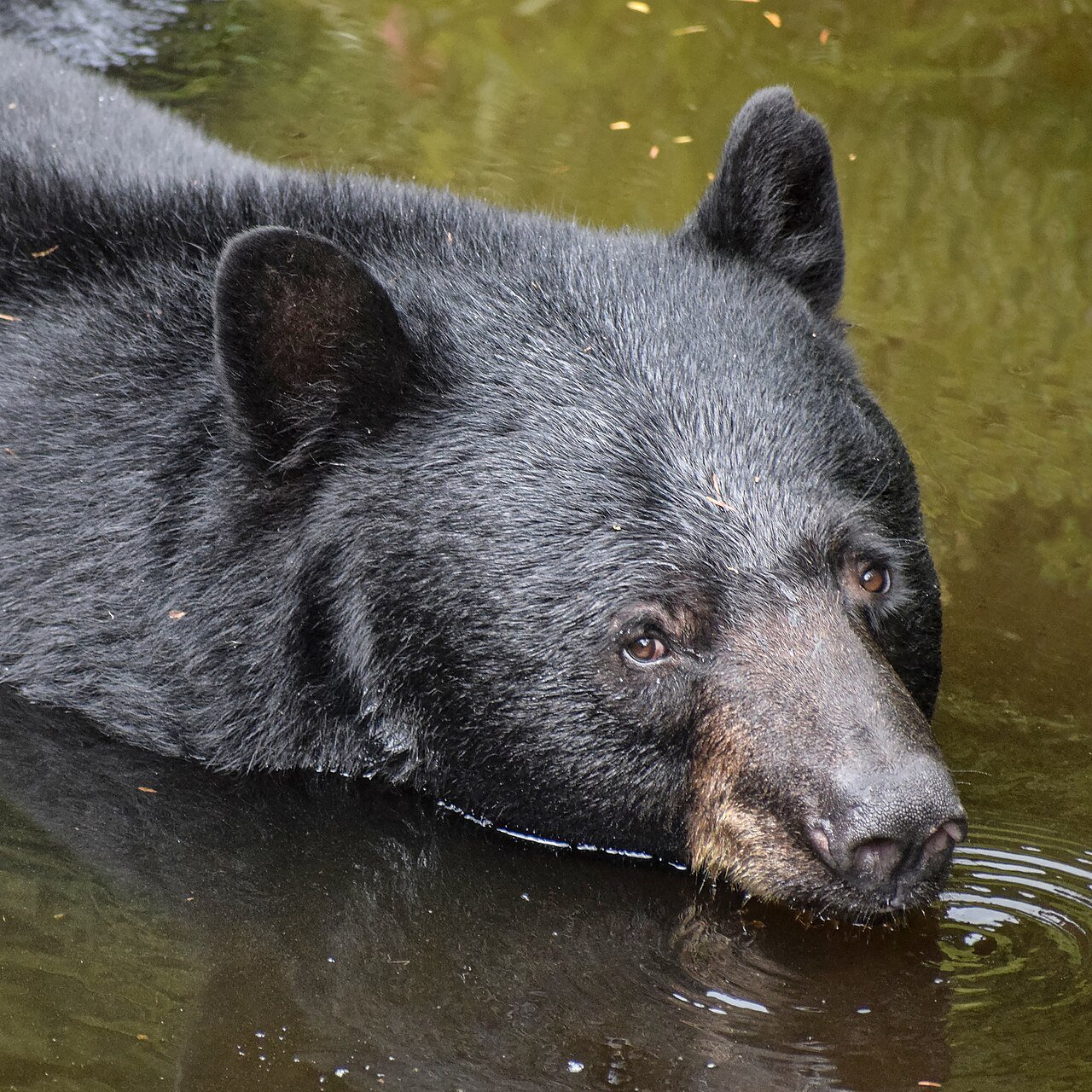
Before visiting, brush up on black bear safety in the Smoky Mountains, including viewing distances and keeping food out of reach.
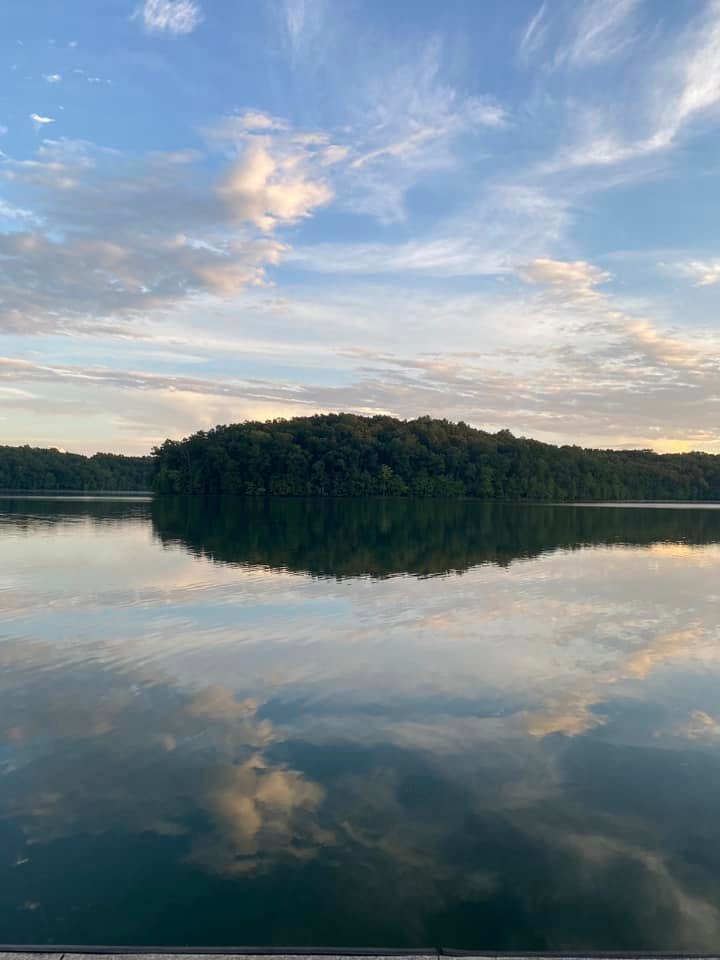
#2 Fall Creek Falls State Park
The 256-foot waterfall gives Fall Creek Falls its name. The Facebook response praising “beautiful suspension bridges” captures more of what a visit can offer: cascades, gorge views, woodland trails, and a lake to work into your plans.
Near Spencer on the Cumberland Plateau, the park suits a group whose members have different ideas about a day outdoors. Start with the main waterfall overlook, reached by a short paved walk from the parking area. Then head toward the Betty Dunn Nature Center and the suspension bridge over Cane Creek Cascades.
Choose any descent into the gorge carefully. The trail to the base of Fall Creek Falls is steep and rocky, and the cable route into Cane Creek Gorge demands considerably more agility. A short distance on a map can still mean a difficult climb back up.
The overlooks let you enjoy the waterfalls while keeping the walking manageable. Crossing the bridge, pausing above the gorge, and finishing with a lakeside walk gives the day a mix of things to see.
Fall Creek Falls also earned a place among Tennessee’s most beautiful spots, according to locals, alongside Roan Mountain and Ruby Falls.
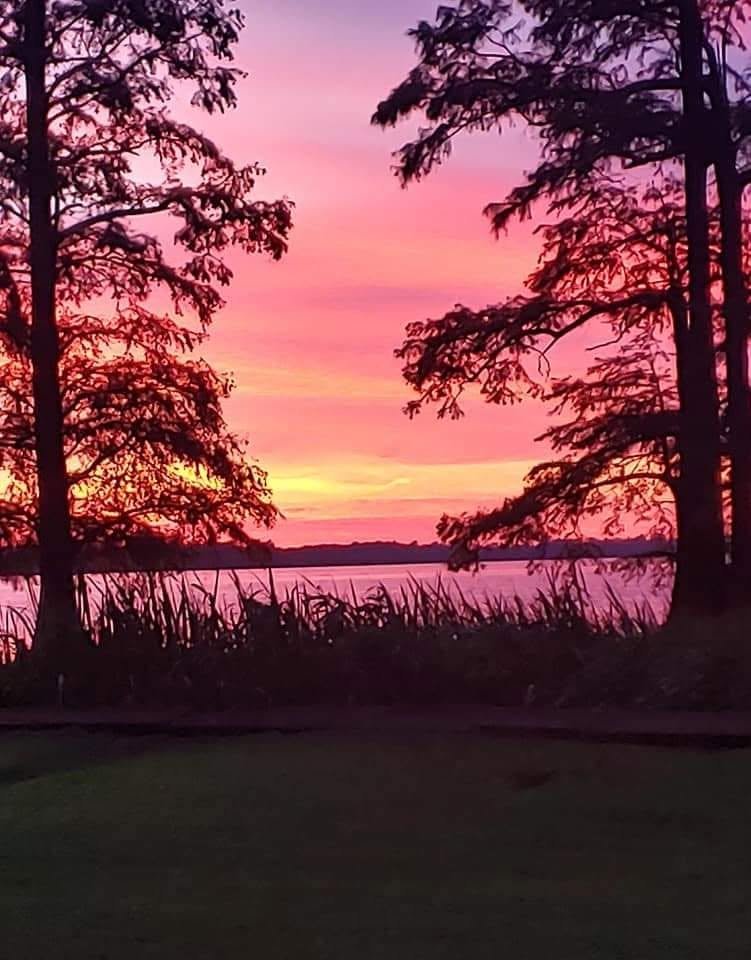
#3 Reelfoot Lake State Park
Reelfoot changes the scenery completely. In Tennessee’s northwest corner near Tiptonville, bald cypress trees rise out of shallow water, and birds provide plenty of reasons to stop and look.
The lake formed following the New Madrid earthquakes of 1811–1812. That history helps explain its unusual flooded landscape, with submerged trees and cypress knees that make exploring by water quite different from paddling an ordinary reservoir.
For a first visit, begin with the visitor center and boardwalk. You can get a feel for the wetlands without committing to a long walk or bringing a boat.
A guided pontoon tour offers a closer look at the lake, with someone else handling the navigation and explaining what you are seeing. From the water, you get a different perspective on the cypress trees and the birds using this flooded landscape. Check the program calendar before choosing your date.
Winter deserves consideration, too. Seasonal eagle tours make the colder months especially appealing for wildlife watching.
For more ways to enjoy the season, see Tennessee locals’ favorite winter activities, from outdoor outings to afternoons by the fireplace.
#4 Natchez Trace State Park
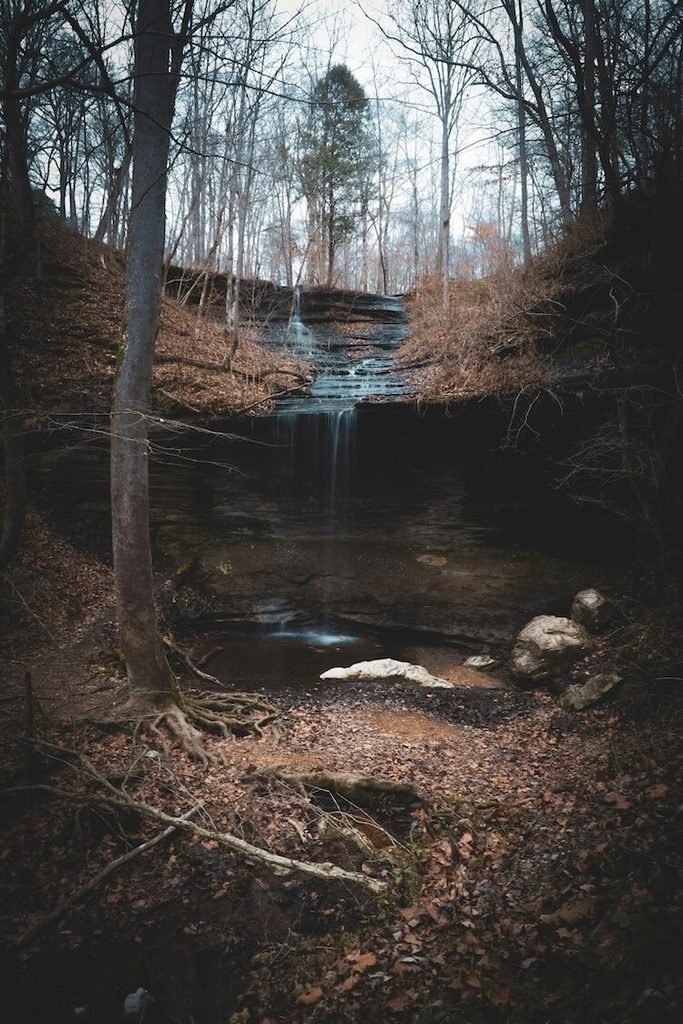
“It’s Pure Country,” one response said. Another described grandparents living on either side of the park and a childhood spent nearby.
For those readers, the park belongs to their family’s story. The lakes and woods are places they grew up around, with people they remember.
Near Wildersville in West Tennessee, Natchez Trace State Park offers wooded surroundings, lake recreation, cabins, and camping. It is separate from the Natchez Trace Parkway, the scenic highway that reaches toward Nashville. Make sure you have the state park in your navigation before setting off.
There is an important planning update for overnight visitors: the lodge and restaurant are closed for rebuilding, with reopening anticipated in spring 2028. Cabins remain available, although campground renovations also affect some options.
Check the accommodation you actually intend to book. An older travel article may describe facilities that are temporarily unavailable.
Cub Lake and Pin Oak Lake give you places to build a visit around. Pack lunch, choose a walk, and leave time beside the water. Staying in a cabin gives you more room to slow down and explore, with another morning to enjoy the surroundings before heading home.
#5 Cades Cove
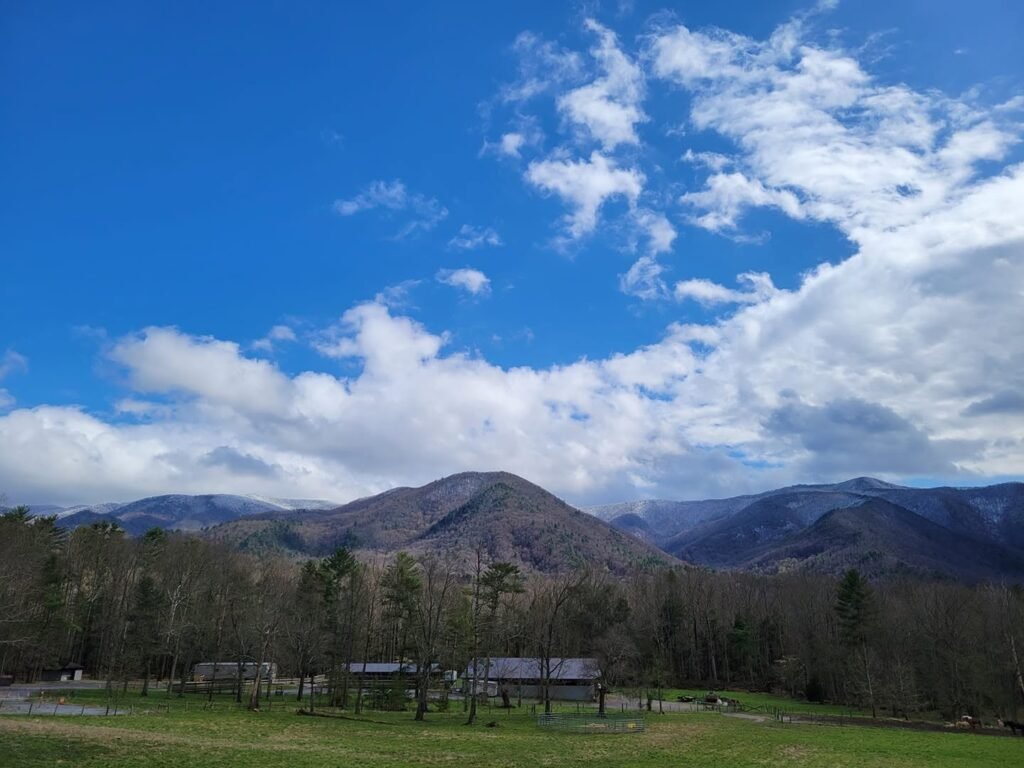
Cades Cove is part of Great Smoky Mountains National Park, but it earned a separate place here because readers named the valley specifically.
One response captured its appeal as “gorgeous views…interesting hikes and stops…” The old homes, churches, and mill give you reasons to get out of the car and spend a little longer in that mountain setting.
The 11-mile, one-way loop road circles the valley near Townsend. Allow two to four hours for the loop, longer if you add a hike. Eleven miles sounds quick until you account for stops and traffic.
If you’re staying nearby, Townsend topped our list of Tennessee locals’ favorite small towns, with museums, caverns, and river activities to round out your trip.
Cyclists can also plan around seasonal vehicle-free Wednesdays, usually held from May through September. Check the dates for your visit, and remember that the full loop includes hills. Walking or cycling it takes more effort than the open valley scenery might suggest.
Give yourself time at Cable Mill or one of the churches. You can look across the fields, watch for wildlife from a safe distance, and explore the buildings along the way. Those stops make the valley easier to imagine as a place where people lived and worked, with the same mountains surrounding their days.
#6 Burgess Falls State Park
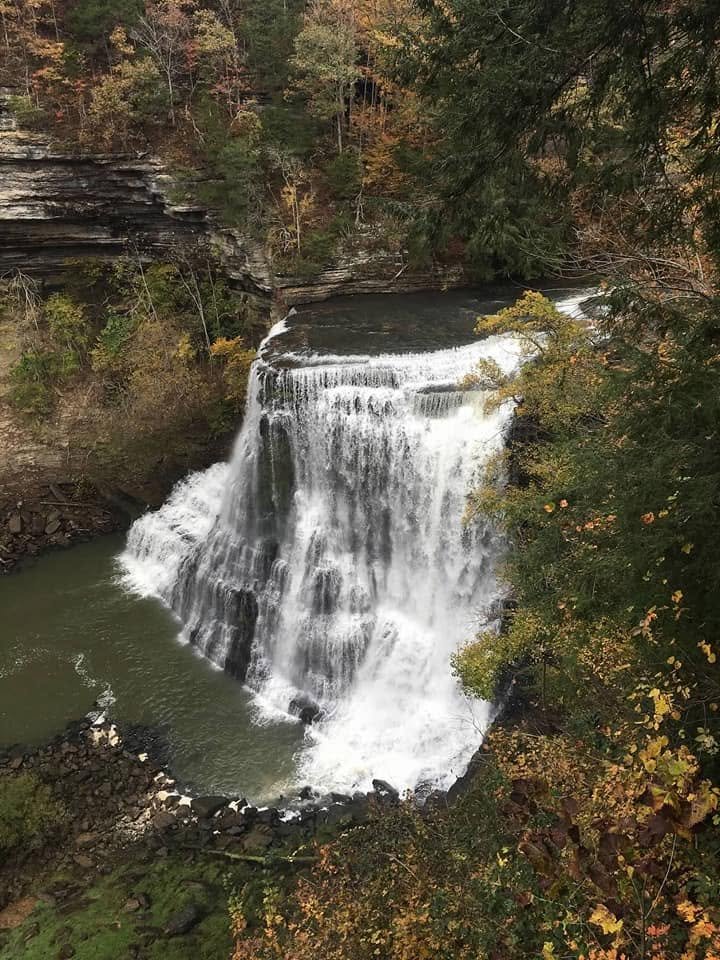
At Burgess Falls, the Falling Water River gives you a sequence of waterfalls to follow. The smaller cascades build toward the main falls, where the water drops into a deep gorge.
Near Cookeville and Sparta, this is a useful choice when you want a focused waterfall outing. The River Trail and Service Road Loop covers about 1.5 miles round trip, taking you past the falls and back toward the parking area.
Keep the terrain in mind. The route is moderately strenuous, with uneven footing and steps. Wear shoes suited to a trail, and leave enough time to pause at the viewpoints.
The main overlook and the waterfall’s base are different outings. Water access to the base comes from the Cane Hollow Recreation Area by boat or kayak. Do not assume the park’s walking route will take you down to the pool.
For a straightforward first visit, stick with the established trails and overlooks, then settle in for a picnic. You can enjoy the progression of waterfalls without adding a separate paddling trip.
#7 Rock Island State Park
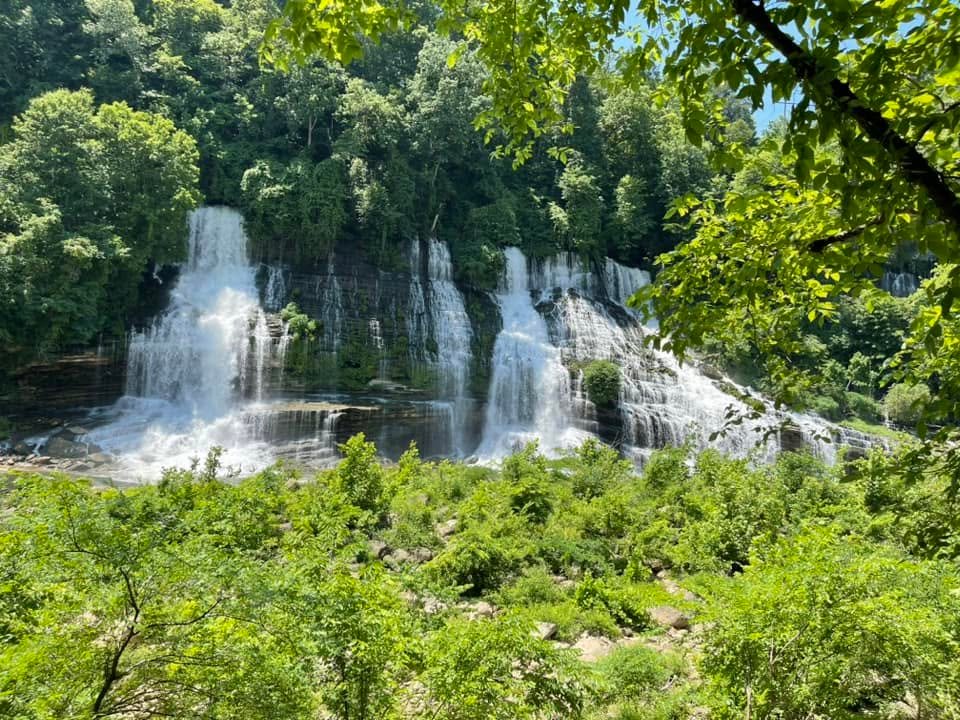
Twin Falls is the sight that makes Rock Island especially distinctive. Water pours out of the limestone gorge wall, spreading across the rock face before dropping into the river below.
Near McMinnville and Sparta, the park also includes Great Falls, river views, and a historic cotton mill. For a visit centered on scenery, start at the Twin Falls viewing area off Powerhouse Road, then explore the Great Falls and mill area. Those stops let you see different sides of the park without committing to a demanding gorge hike.
Pay attention to the map: Twin Falls is reached from the opposite side of the river from the main park office.
Water conditions deserve just as much attention. Releases from the TVA dam and powerhouse can change gorge levels rapidly, and swimming or wading near Twin Falls is prohibited. Follow posted closures and warnings.
If swimming is part of your plan, use the designated sand beach when it is open.
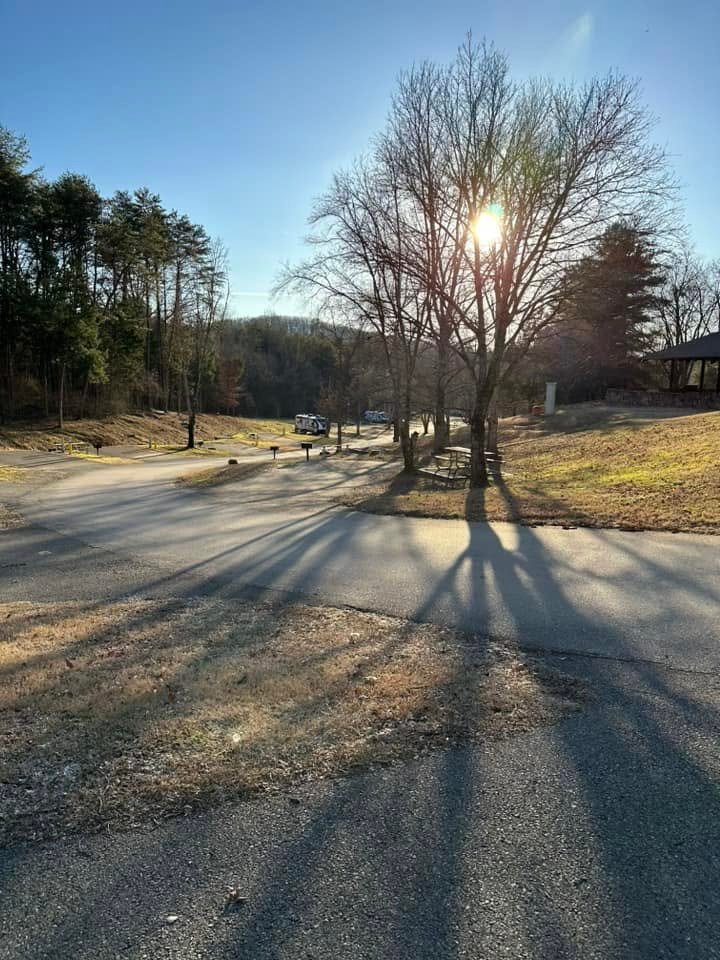
#8 Panther Creek State Park
One reader described Panther Creek as “very clean and quiet,” with “good trails.” For a day built around walking and being outdoors, that is an appealing recommendation.
On Cherokee Lake near Morristown, the park combines wooded walking routes with lake and mountain views. The trail network offers enough variety to choose a shorter walk or spend a larger part of the day exploring.
Point Lookout is worth considering if you want a view over the lake and are comfortable with a climb. Check the route before starting; trails here range from easy to difficult.
Lake levels change seasonally, so the shoreline may look different from photographs taken during summer.
For a group with mixed interests, hiking can share the day with a picnic, fishing, or disc golf. Choose a trail that suits everyone, then give yourselves time for lunch by the lake. You can add another activity if everyone still has energy, or simply enjoy the view for a while.
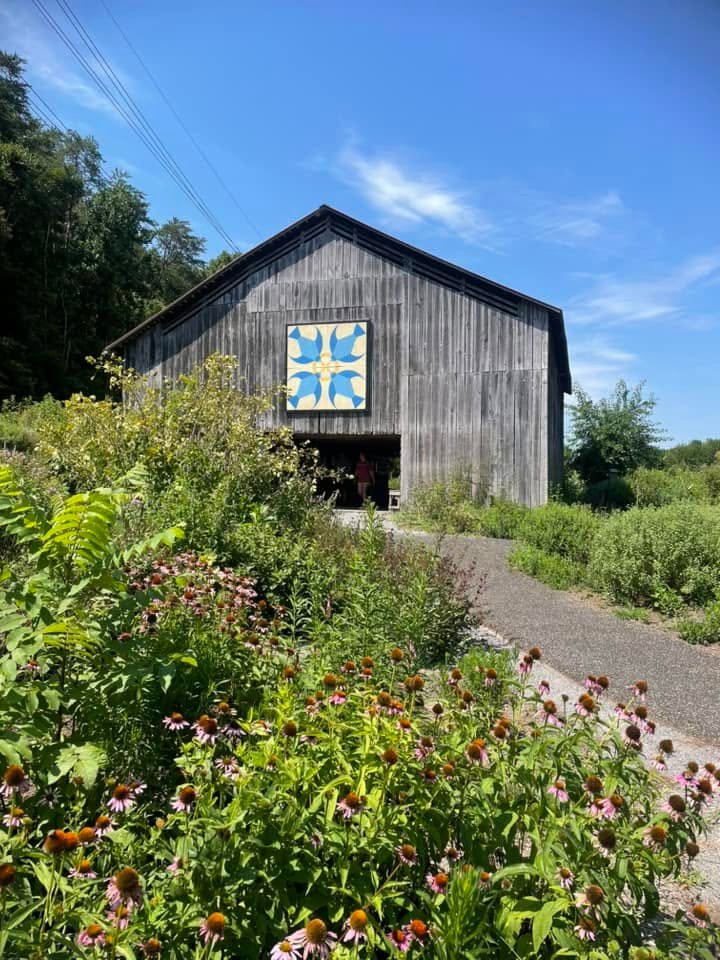
#9 Seven Islands State Birding Park
Bring binoculars if you have them. At Seven Islands, stopping to watch what moves through the grass or along the river is part of the outing.
East of Knoxville near Kodak, the park stretches along the French Broad River through meadows, wetlands, and woodland. More than 220 bird species have been recorded here, though what you see will depend on the season and a little patience.
Start with the paved Bobwhite Accessible Trail and the pedestrian bridge over the river. The trail is about 0.9 miles one way, an important detail when judging how far your group wants to walk.
The accessible route makes this a useful option for visitors using wheelchairs or bringing strollers. Other trails offer additional walking through the park’s varied habitats.
Open fields can get hot, so bring water and choose a cooler part of the day during summer.
You do not need to know every bird’s name to enjoy the setting. Give yourself time to watch where a call is coming from or what is moving along the river. A slower walk gives you more chances to notice the life around you.
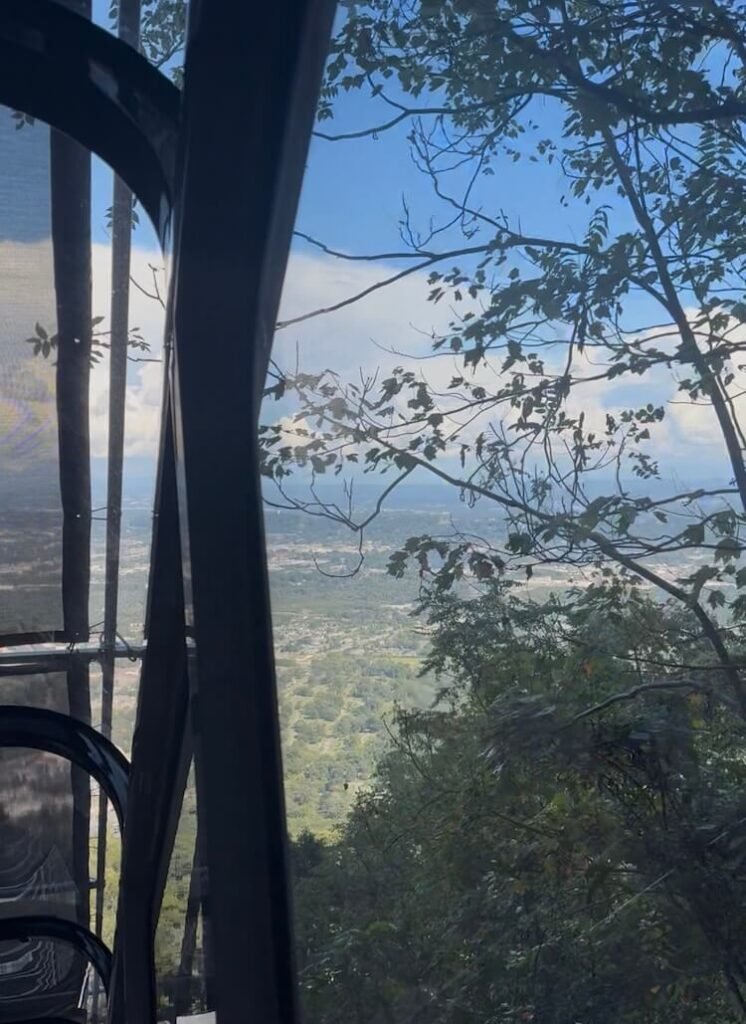
#10 Point Park, Lookout Mountain
From Point Park on Lookout Mountain, Chattanooga and the curve of Moccasin Bend spread out below. You can follow the river with your eyes and get a sense of the city’s setting that is hard to find from the streets below.
The park also preserves part of the history surrounding the 1863 Battle of Lookout Mountain, often called the Battle Above the Clouds. Cannons, monuments, and the nearby battlefield visitor center add context to the landscape.
Point Park is a federal military park site. Admission is $10 for visitors ages 16 and older; children 15 and younger enter free.
Some paths accommodate visitors with limited mobility, but the Ochs Museum and Observatory require stairs. If accessibility matters to your group, plan your route around the available paths and ask at the visitor center which viewpoints will work best.
For a shorter outing, follow the paths through the memorial grounds and pause at the viewpoints. Longer connecting trails on the mountainside involve steeper, rougher terrain, so decide beforehand which kind of visit you want. Give yourself time to pause above Moccasin Bend before heading back through the memorial grounds.



3 thoughts on “10 Tennessee Parks Locals Love—and Why They Recommend Them”