
You’ve booked an afternoon tour in Knoxville, worked out the drive from Nashville, and left time for lunch and parking.
Then you realize Knoxville’s clocks are an hour ahead.
That one detail can turn a relaxed schedule into a missed reservation. And it’s not the only surprise waiting for first-time visitors. A parking meter that gets more expensive by the hour, a mountain road that closes for the season, a famous loop drive that takes four times longer than its mileage suggests.
Here are eight planning mistakes I see visitors make again and again, and how to avoid every one of them. For the bigger picture, see what Tennessee locals actually want first-time visitors to know.
#1 Forgetting Tennessee’s Time-Zone Change
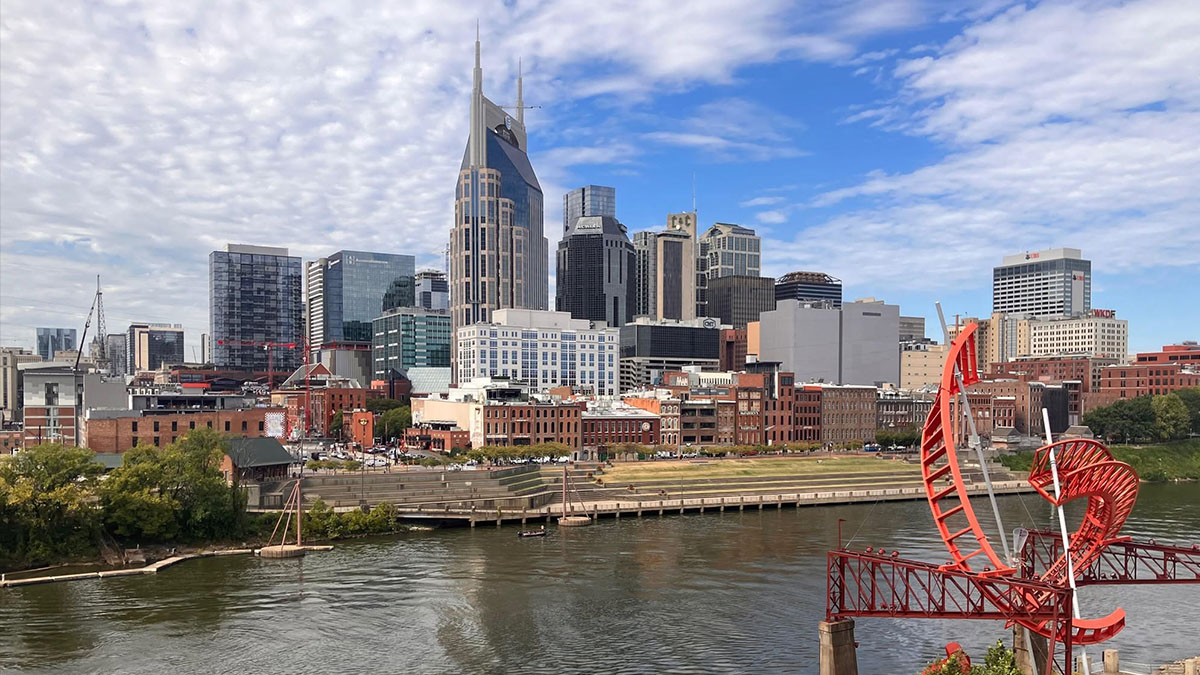
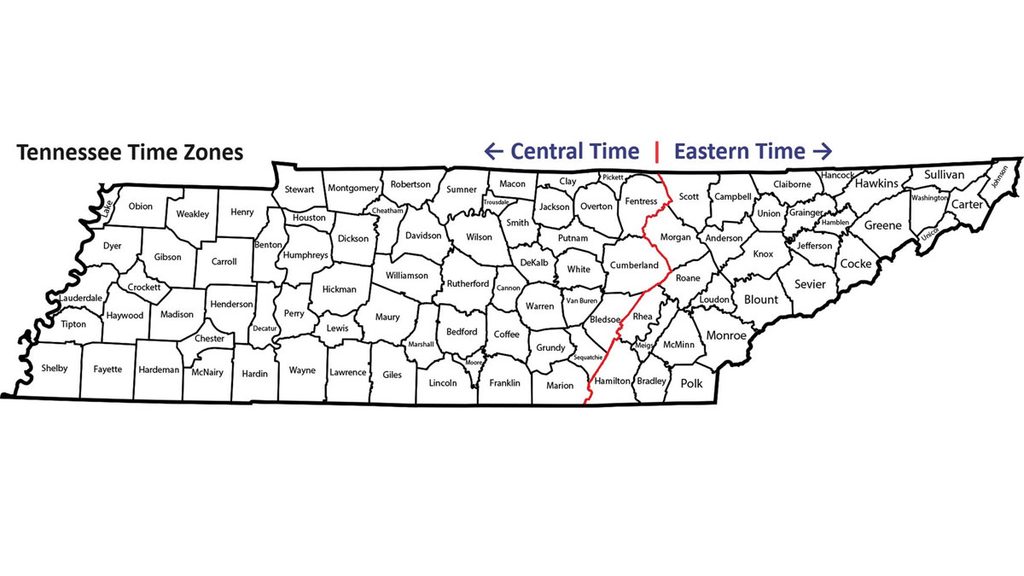
Nashville runs on Central Time. Knoxville and Chattanooga run on Eastern Time, one hour ahead.
So leave Nashville at 9 a.m. Central, drive about three hours, and you’ll pull into Knoxville at 1 p.m. Eastern, not noon. If your tour starts at 12:30, you’ve already missed it.
Before you set your departure time, write down your reservation in the destination’s local time. Then work backward, allowing for the drive, rest stops, parking and the walk to the entrance.
The same goes for Chattanooga day trips. If you’re heading to Lookout Mountain or Ruby Falls from Nashville, your timed tickets are in Eastern Time.
Coming home works in your favor. The clock falls back an hour on the drive west, even though the drive itself takes just as long.
#2 Squeezing Cades Cove Into a Spare Hour
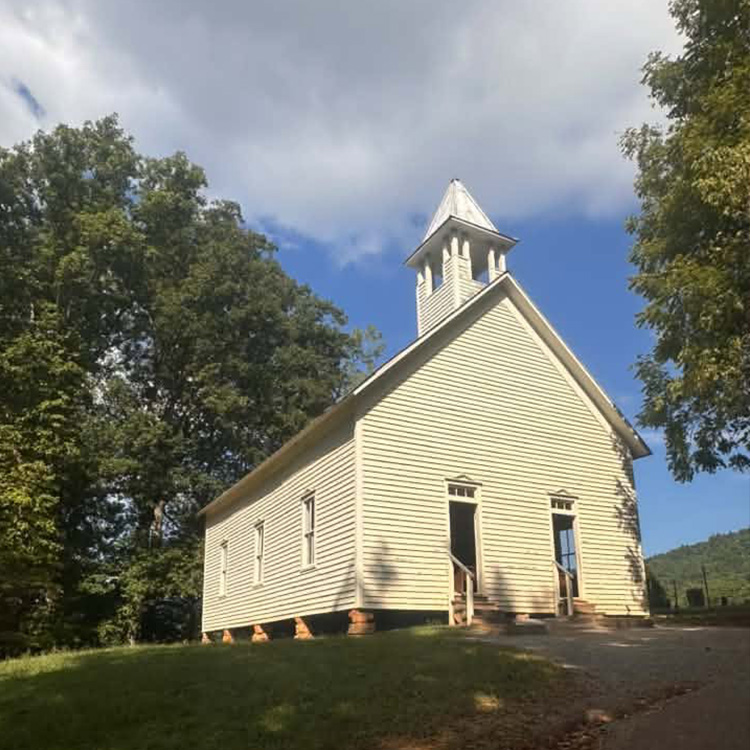
An 11-mile loop sounds like a quick drive. At Cades Cove, it isn’t.
The National Park Service recommends allowing at least two to four hours to drive the one-way loop in Great Smoky Mountains National Park, plus extra time if you want to hike. Summer, fall and weekends bring heavier traffic, and once you’re on the loop, you can’t just turn around.
That estimate doesn’t include the drive from your cabin or hotel to the cove, either.
Give Cades Cove a real block of your day, ideally a morning, so you can stop for wildlife and views without watching the clock. Our guide to Smokies crowd levels by month can help you pick a quieter time.
One more detail: from May through September, the loop typically closes to cars all day on Wednesdays for walkers and cyclists. Check the year’s exact dates before you go. Walking or biking 11 miles is a very different day than driving it, especially with kids.
The mistake isn’t underestimating 11 miles. It’s assuming you control how fast those 11 miles go.
#3 Assuming Downtown Nashville Parking Gets Cheaper at Night
You find a meter near dinner, glance at the rate, and head off. Six hours later, the bill is a lot bigger than you expected.
Nashville’s municipal meter rates vary by zone, and in the Central Parking District, they climb the longer you stay:
- First two hours: $2 per hour
- Next two hours: $5 per hour
- Every hour after that: $6 per hour
A six-hour stay adds up to $26, before transaction fees.
Evening doesn’t mean free, either. Central Parking District meters are enforced 24 hours a day. Other municipal districts are enforced from 6 a.m. to midnight.
Before you walk away from your car, read the sign at that exact space: rate, time limit, enforcement hours and how to pay. For dinner and a show, compare the meter total against a garage quote. Private lots set their own prices.
And think about the walk back. If anyone in your group struggles with distance or hills, a cheaper space far away may not be worth it.
#4 Expecting Every Nashville Music Venue to Work Like a Honky-Tonk
Picture two nights out in Nashville.
In one, friends shout over a live band while people move between the bar and the dance floor. In the other, the whole room goes quiet as a songwriter starts playing a few feet away.
Both are great Nashville nights. They’re just not the same night.
If you want to talk, dance and drink with your group, a Broadway honky-tonk like The Stage is the move.
The Bluebird Cafe is the opposite. It’s a listening room, and conversation is kept to a minimum during performances. If a Bluebird show is a priority, learn the reservation system before your trip:
- Reservations are online, and release schedules vary by show and special event.
- Book for your whole party. Reserving one seat doesn’t hold a whole table.
- Most reserved seats carry a $15-per-seat food-and-drink minimum, on top of any cover charge, taxes and fees. For four people, that’s $60 you’ll spend on food and drinks, not a separate $60 admission fee.
- The Monday 6 p.m. Open Mic has no minimum and no reservations. Seating is first come, first served.
- Walk-up seats are sometimes available, but don’t count on them.
- Need accessible seating? Some seats are high stools, and the venue asks for at least two weeks’ notice.
Our guide to Tennessee etiquette for visitors covers how to act in each kind of room.
#5 Treating a Smokies Parking Tag as a Reserved Space
Buying a parking tag checks one box. It doesn’t guarantee you a place to park.
Great Smoky Mountains National Park requires a tag if you park for more than 15 minutes, but you still have to find an open space when you arrive.
- Daily: $5 per vehicle
- Weekly: $15 per vehicle, valid for seven consecutive days
- Annual: $40 per vehicle
If you’ll need a tag four days in the same week, the $15 weekly tag beats four $5 daily tags.
Buy your tag before you reach the trailhead. It has to match your license plate and be physically displayed. A digital copy on your phone doesn’t count, so print daily or weekly tags bought online. In a rental car, double-check the plate number before you buy.
An America the Beautiful pass doesn’t replace the tag. Vehicles with valid state disability placards or plates are exempt.
Popular lots fill up fast in busy seasons, so pick a backup stop before you leave.
The tag gives you permission to park. It doesn’t give you a parking space.
#6 Planning a Mountain Drive From the Forecast in Town
It’s a comfortable morning outside your Gatlinburg hotel, so you head higher into the Smokies expecting more of the same.
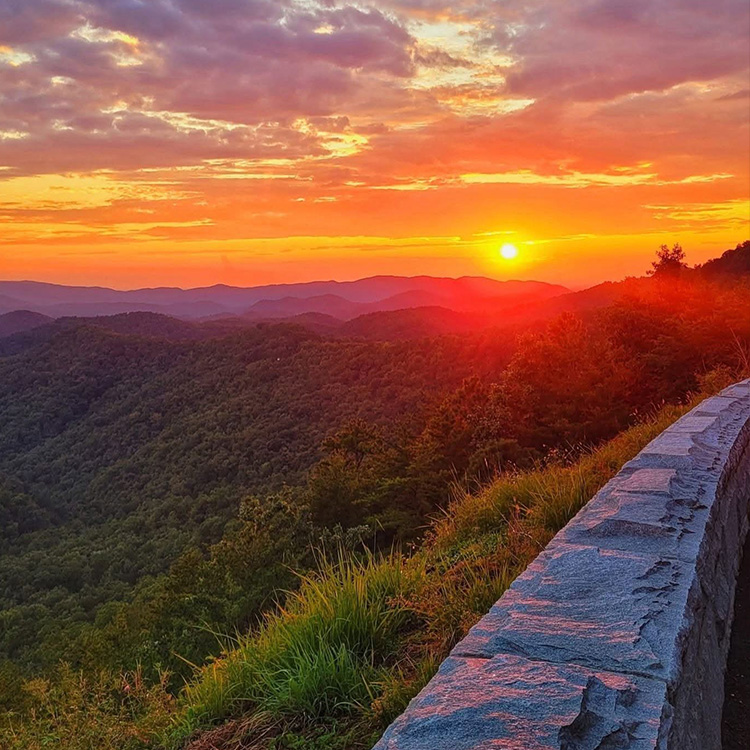
But the National Park Service says temperatures can differ by 10 to 20 degrees between the base of the mountains and the summit. Clear skies in town don’t guarantee clear skies at the top.
Some roads also close for the season. Kuwohi Road, which leads toward the trail to the park’s highest peak, normally closes to cars in winter. Snow and ice can close other roads, including Newfound Gap Road, without much warning.
Before you set out, check:
- The road’s seasonal schedule
- Current closure notices
- The forecast for your destination, not your hotel
Pack layers for the elevation you’re visiting, and have a lower-elevation backup in mind. For the bigger picture, see what to know about Tennessee winter weather.
#7 Moving Closer to a Bear for a Better Photo
Seeing a black bear can be the highlight of a Smokies trip. It’s also the moment to back off.
In Great Smoky Mountains National Park, it’s illegal to willfully approach within 50 yards, or 150 feet, of a bear, or to get close enough at any distance to disturb it. A bear that keeps eating doesn’t mean you can move closer, and 50 yards isn’t a guaranteed safe zone.
Use binoculars or a zoom lens instead. If getting the shot means walking toward the bear, change the shot.
Never feed wildlife, and pack out every food scrap. Food left behind can cause problems for the next visitor, and for the bear. Learn more about the Smokies’ nearly 1,900 black bears and why fall is one of their busiest seasons.
The best bear encounter is one where the bear never changes what it was doing because you showed up.
#8 Assuming a Waterfall Means a Swim
A waterfall photo can make a summer plan look easy: hike in, find the pool, cool off.
The Great Smoky Mountains National Park doesn’t recommend swimming anywhere in the park. There are no lifeguards, and its guidance warns about slippery rocks, hidden hazards underwater and sudden rises from storms upstream, even when it isn’t raining where you’re standing.
A trail to a waterfall viewpoint doesn’t mean it’s safe to get in the water. The park also advises against diving, jumping or crossing rain-swollen streams.
If swimming is a must for your family, pick a designated swimming area with supervision. Our guide to Tennessee’s best beaches, according to locals is a good place to start. For waterfalls you can enjoy safely from the overlook, see Tennessee waterfalls to visit in winter, and for the bigger safety picture, read dangerous plants, animals and water hazards in Tennessee’s outdoors.
My Take
If I had to pick the one mistake I see most, it’s the time zone. People plan a whole day around a Knoxville or Chattanooga reservation and forget the clock jumps an hour on the drive east.
The second is Cades Cove. Folks treat it like a quick loop and end up crawling behind traffic with somewhere else to be. Give it the morning and leave the afternoon open.
Get those two right, and the rest of your trip gets a lot easier.
A Little Planning Goes a Long Way
Tennessee has plenty to see, from Nashville’s music venues to the winding roads of the Smokies. The details that make or break a trip are rarely the ones in the photos.
Know which clock you’re on, how long things really take and what the local rules are. You’ll spend less time rushing and more time enjoying the places you came to see.
1 thought on “Common Visitor Planning Mistakes in Tennessee”